Early junk‑food diet rewires brain; probiotic helps — SkimNews

Get the Health newsletter
Daily health & science — research, biotech, public health, the studies worth knowing. Free.
- University College Cork researchers published a Nature Communications study showing early high‑fat, high‑sugar diet in mice causes lasting feeding‑behavior changes that persist into adulthood even after diet reversal.
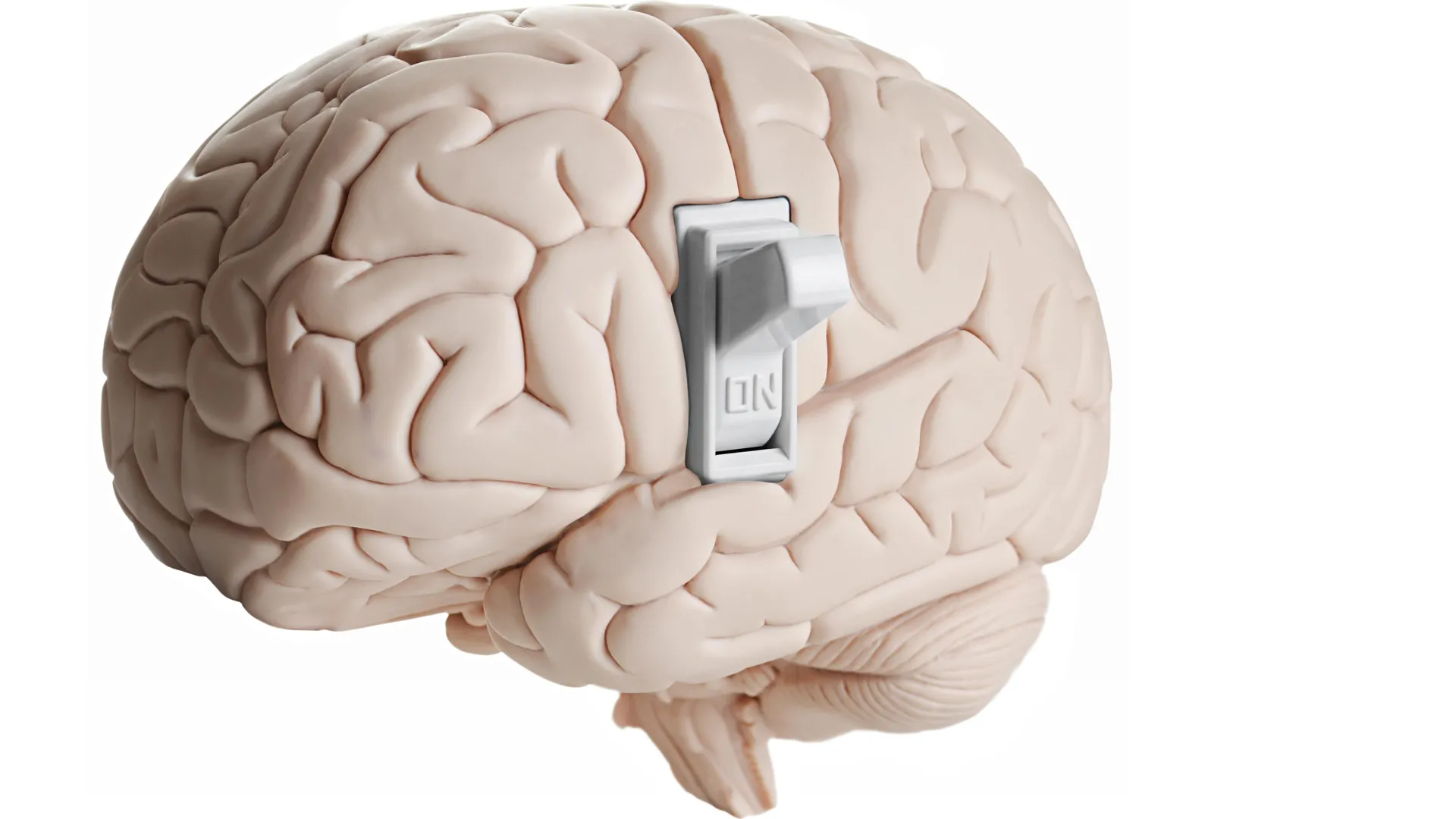
- The hypothalamus was identified as the brain region where appetite‑control pathways were disrupted by the early‑life junk‑food diet.
- Bifidobacterium longum APC1472 probiotic treatment administered throughout life significantly improved adult feeding behavior with only minor alterations to the overall gut microbiome.
- Fructo‑oligosaccharides and galacto‑oligosaccharides prebiotic fibers given to the mice produced broader gut‑microbiome changes and helped restore healthier eating patterns.
- Dr. Harriet Schellekens highlighted that gut‑microbiota targeting from birth can mitigate the long‑term effects of an unhealthy early‑life diet on later feeding behavior.
- Research Ireland and other funders supported the study, enabling the investigation of microbiota‑based interventions for diet‑induced brain changes.
Why it matters: The study suggests early junk‑food exposure raises obesity risk by permanently altering hypothalamic appetite circuits, while probiotic Bifidobacterium longum and prebiotic fibers provide a concrete strategy to restore healthier eating patterns later in life for children and public health initiatives.
Ask SkimNews