Marmoset brain wrinkles explained by slow neuron production — SkimNews
Get the Health newsletter
Daily health & science — research, biotech, public health, the studies worth knowing. Free.
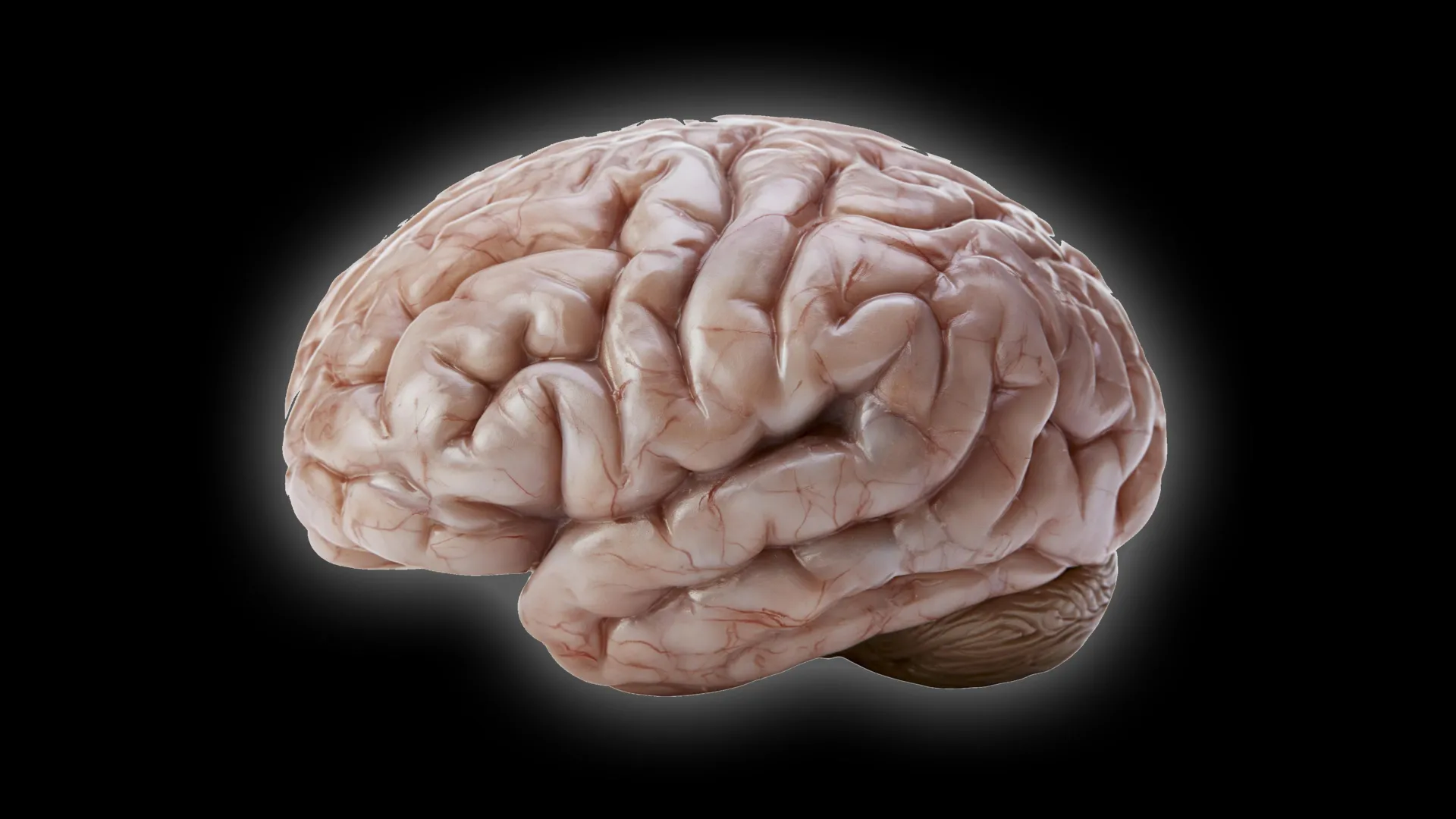
- Deutsches Primatenzentrum (DPZ) researchers identified key differences in neural progenitor cells that explain why common marmosets develop small, smooth brains despite early similarities to other primates.
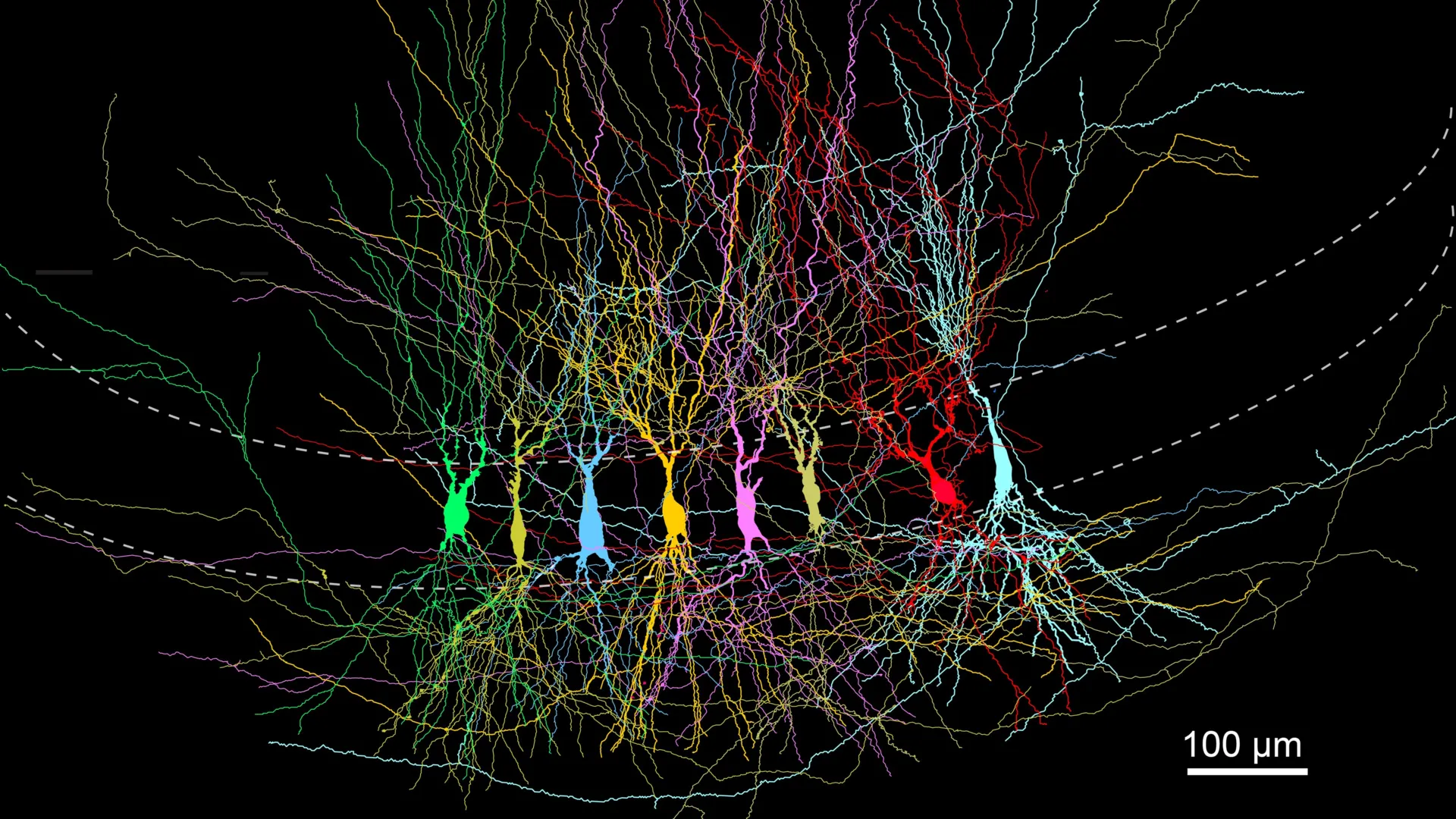
- Neural progenitor cells in marmosets divide more slowly and have simpler structures than in humans, reducing neuron production and limiting cerebral cortex expansion and folding.
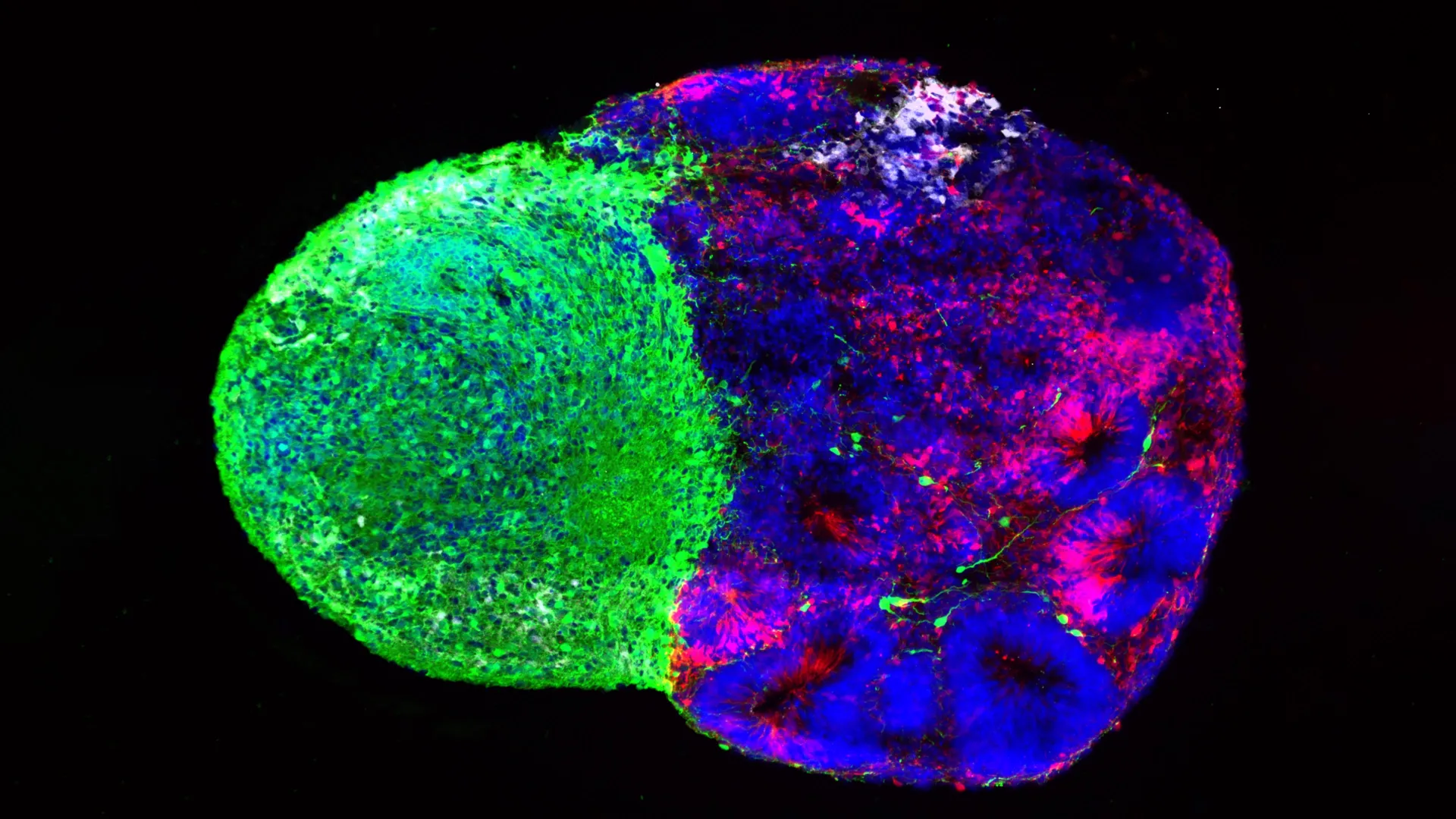
- Brain organoids grown from marmoset and human cells revealed that marmoset progenitor cells have a shorter window of rapid multiplication, contributing to reduced brain growth.
- Michael Heide's team combined organoid models with fetal tissue validation, confirming that organoid development at 50 days corresponds to day 90 in actual marmoset brains, enabling reliable cross-model comparisons.
- Lidiia Tynianskaia and César Mateo Bastidas Betancourt co-led the study, showing that coordinated adaptations in progenitor cell behavior underlie primate neocortical downscaling.
Why it matters: Understanding how small cellular changes lead to major brain structure differences helps explain primate brain evolution and provides a model for studying human neurodevelopmental disorders linked to neuron production and cortical folding. The organoid-to-fetal timeline mapping enables more precise experimental designs in future research.
Ask SkimNews