Silver Fluoride Stops Baby Tooth Decay Without Drilling — SkimNews
Get the Health newsletter
Daily health & science — research, biotech, public health, the studies worth knowing. Free.
- University of Michigan researchers found that 38% silver diamine fluoride stopped decay in more than half of treated baby teeth when applied every six months, in a Phase III trial of 830 children under 6 published in JAMA Pediatrics.
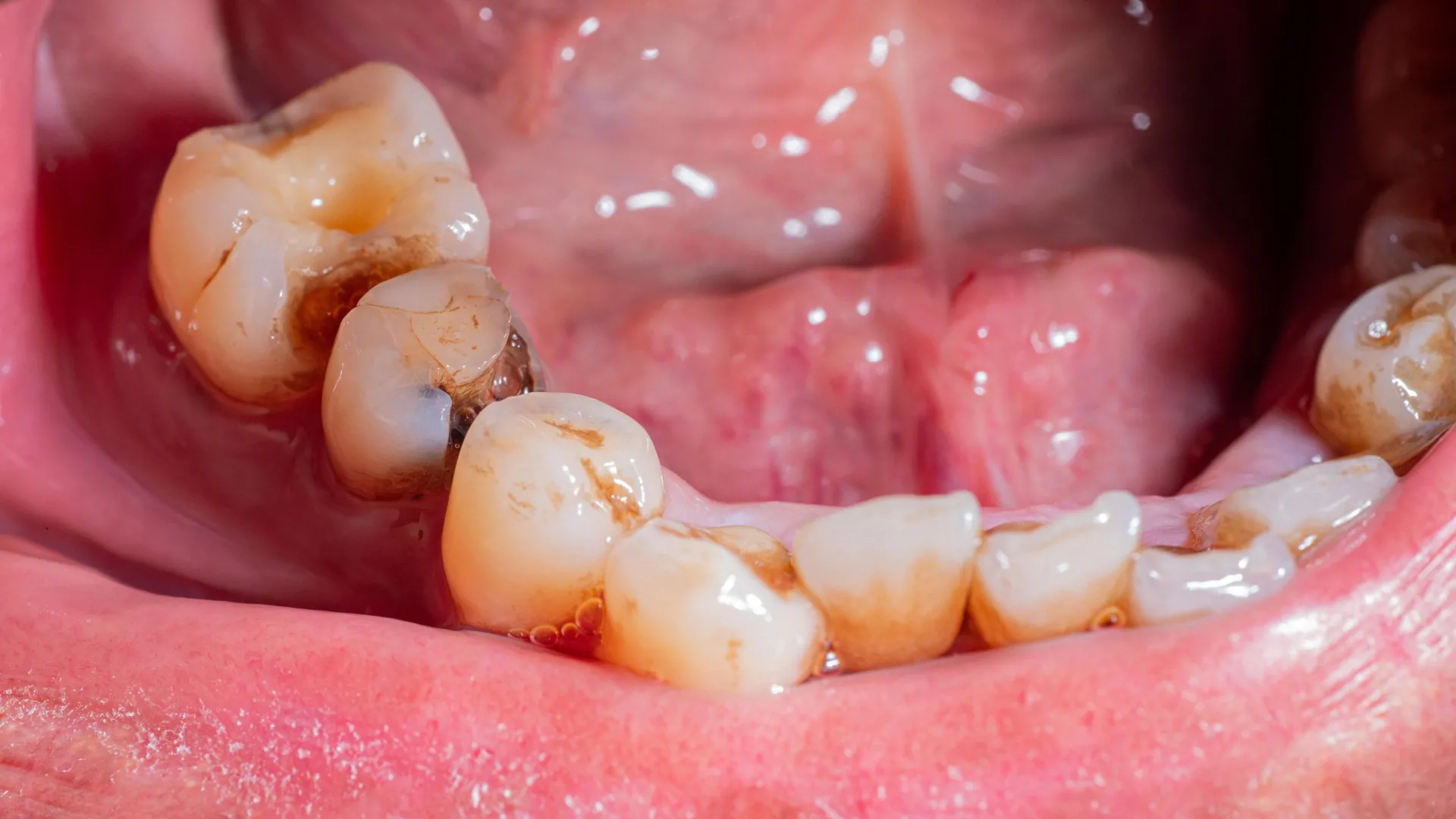
- Silver diamine fluoride (SDF) is brushed onto cavities with a small sponge-tipped applicator in seconds—no drilling, injections, or sedation—though it permanently darkens the decayed area.
- The trial was conducted through dental offices, pediatric medical practices, and Head Start and Early Head Start programs in Michigan, New York, and Iowa, with collaborators from NYU, University of Iowa, Indiana University, and NIH's National Institute of Dental and Craniofacial Research, which contributed more than $12 million.
- Elevate Oral Care supplied Advantage Arrest 38% SDF, and the trial data enables the manufacturer to submit a dental caries drug application to the FDA—SDF has been used off-label in the U.S. since its 2014 device approval for tooth sensitivity.
- Lead investigator Margherita Fontana said SDF is particularly suited for children as young as 1, older adults, people with developmental or physical disabilities, and patients with severe dental anxiety or limited access to conventional care.
- Tooth decay is the most common chronic disease among U.S. children, affecting more than 40%, and untreated cavities send thousands of young children to emergency departments each year, where the underlying problem often goes unaddressed.
Why it matters: The trial supplies the U.S. clinical evidence the FDA needs to approve SDF as a drug for cavity treatment, ending its off-label status. Co-principal investigator Amr Moursi said that approval would lead to increased provider utilization, expanded insurance payments, and more consistent product quality—opening drill-free treatment to the 40%+ of U.S. children who develop cavities.
Ask SkimNews