Sorbitol Converts to Fructose in Liver, Study Finds — SkimNews
Get the Health newsletter
Daily health & science — research, biotech, public health, the studies worth knowing. Free.
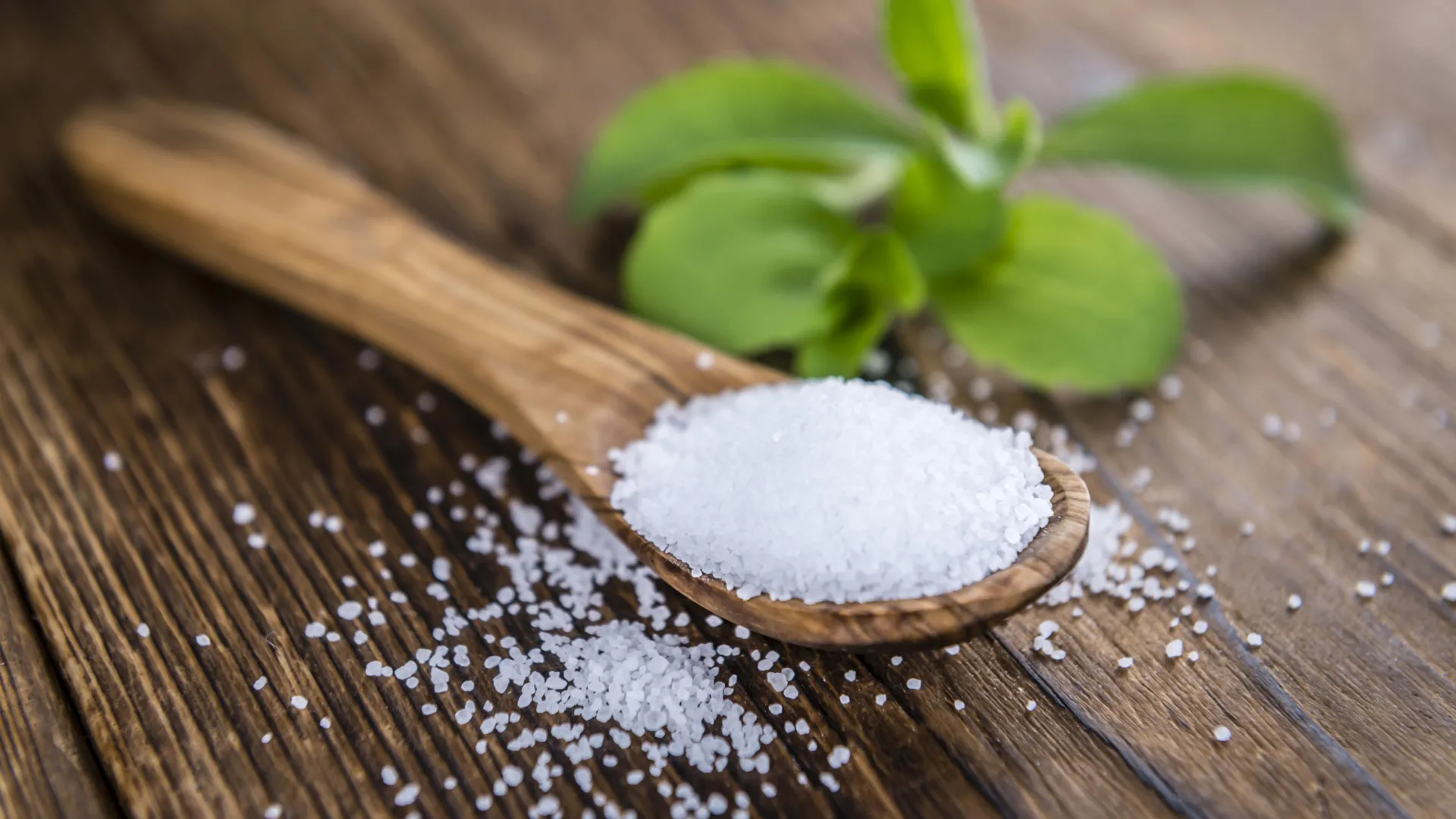
- Washington University in St. Louis researchers found that sorbitol, a sugar alcohol common in sugar-free candy, gum, and low-calorie foods, can be converted by the liver into a fructose derivative — a process lead scientist Gary Patti described as being "one transformation away from fructose."
- The study, published in Science Signaling, used zebrafish experiments to show that gut enzymes can convert dietary glucose into sorbitol after a meal, meaning the body produces sorbitol endogenously even without diabetes.
- Sorbitol-degrading Aeromonas bacteria in the gut can consume and neutralize the sugar alcohol before it reaches the liver, but this microbial protection can be overwhelmed when sorbitol or glucose intake climbs high enough.
- Patti noted that sorbitol given to animals "ends up in tissues all over the body," directly challenging the long-held assumption that sugar alcohols largely pass through the digestive tract without metabolic consequences.
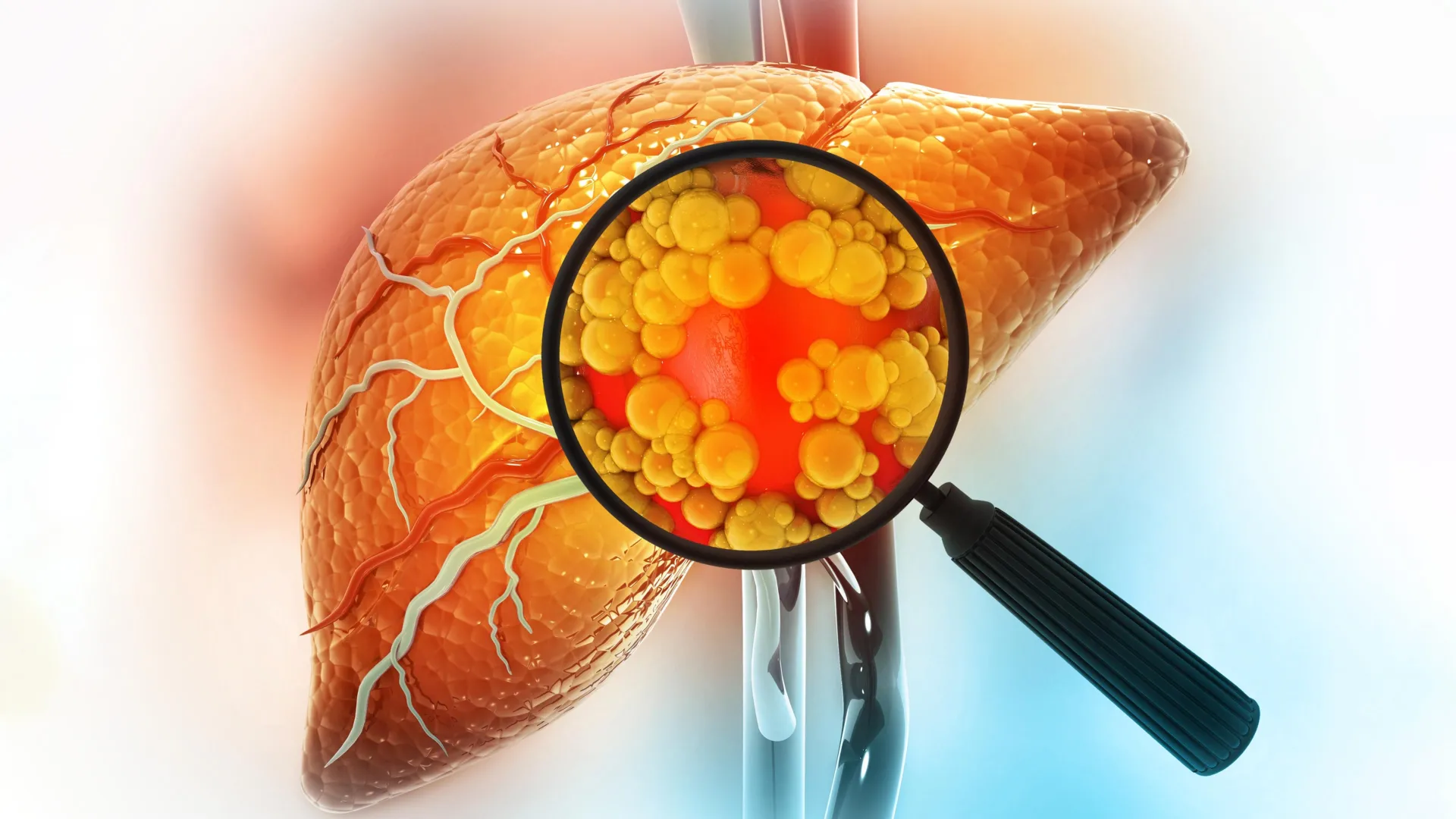
- The findings carry particular weight for people with steatotic liver disease, which affects roughly 30% of adults worldwide, and for diabetics who specifically choose "sugar-free" products to avoid the health effects of table sugar.
Why it matters: The finding undermines the "sugar-free = safer" assumption that drives purchasing for diabetics and the estimated 30% of adults worldwide with steatotic liver disease. It also adds a new variable — gut microbiome composition — to the calculus of choosing sweeteners, meaning two people eating the same product could face very different metabolic outcomes.
Ask SkimNews