EV Motorcycles Replace Gas Bikes as Riders Age Out — SkimNews
Get the Energy newsletter
Daily energy & climate — solar, EVs, oil, the policy fights and tech bets shaping the transition. Free.
- Motorcycle riders in the U.S. and Europe—especially Americans—generally treat motorcycles as a passion tied to engine sound, vibration, shifting and mechanical character, unlike car buyers who primarily need transportation.
- Harley-Davidson began building its first electric motorcycle over a decade ago and released the LiveWire in 2018; rave reviews did not translate into strong sales because the $30,000 bike failed to satisfy riders’ appetite for gasoline.
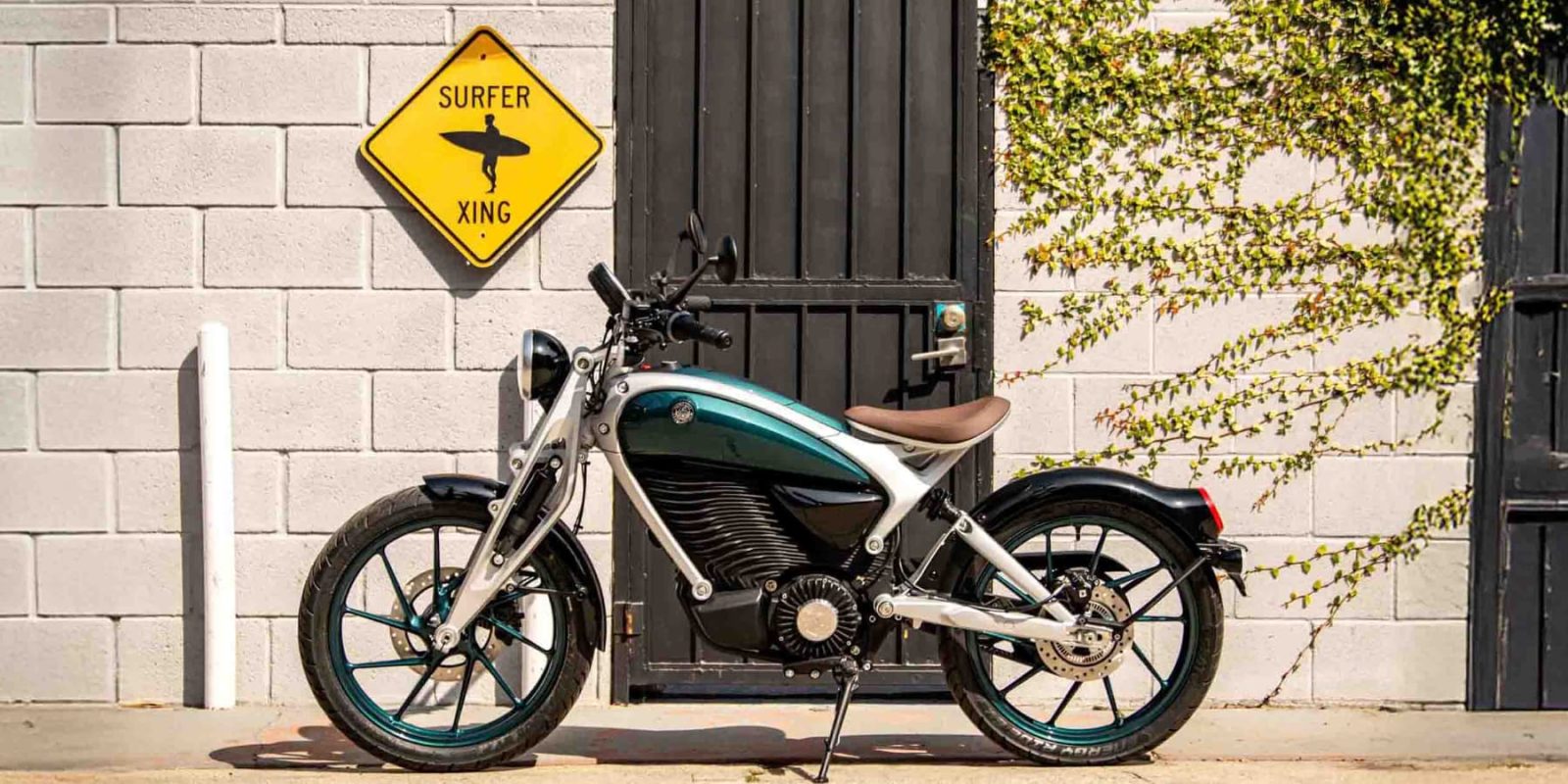
- LiveWire One remains in small-scale production through Harley-Davidson’s electric spinoff, while the S4 Honcho line is presented as the route toward moving higher numbers of electric motorcycles.
- Millions of younger people are growing up on electric bicycles, electric scooters and increasingly powerful e-motos, making electric two-wheelers their normal rather than a new alternative.
- Riders raised on electric two-wheelers are portrayed as progressing from 28 mph electric bikes or 40 mph e-motos to street-legal motorcycles capable of 70 or 80 mph.
- Gasoline motorcycles are expected to shrink gradually as today’s enthusiasts age out and are not replaced by a new cohort of combustion buyers, while electric motorcycles build a separate customer base.
- Battery technology, including solid-state batteries, is expected to erase the runtime disadvantage and bring electric motorcycles to parity with gasoline models on range and ‘fueling’ time.
Why it matters: Harley-Davidson’s $30,000 LiveWire illustrates why chasing today’s gasoline enthusiasts can be a poor route: even rave reviews did not produce strong sales. Instead, motorcycle makers gain a new cohort raised on e-bikes and e-motos, shifting demand through generational turnover rather than conversion.
Ask SkimNews