In Michigan, 3 tribes are on a mission to bring back a fish that disappeared 100 years ago — SkimNews
Get the Energy newsletter
Daily energy & climate — solar, EVs, oil, the policy fights and tech bets shaping the transition. Free.
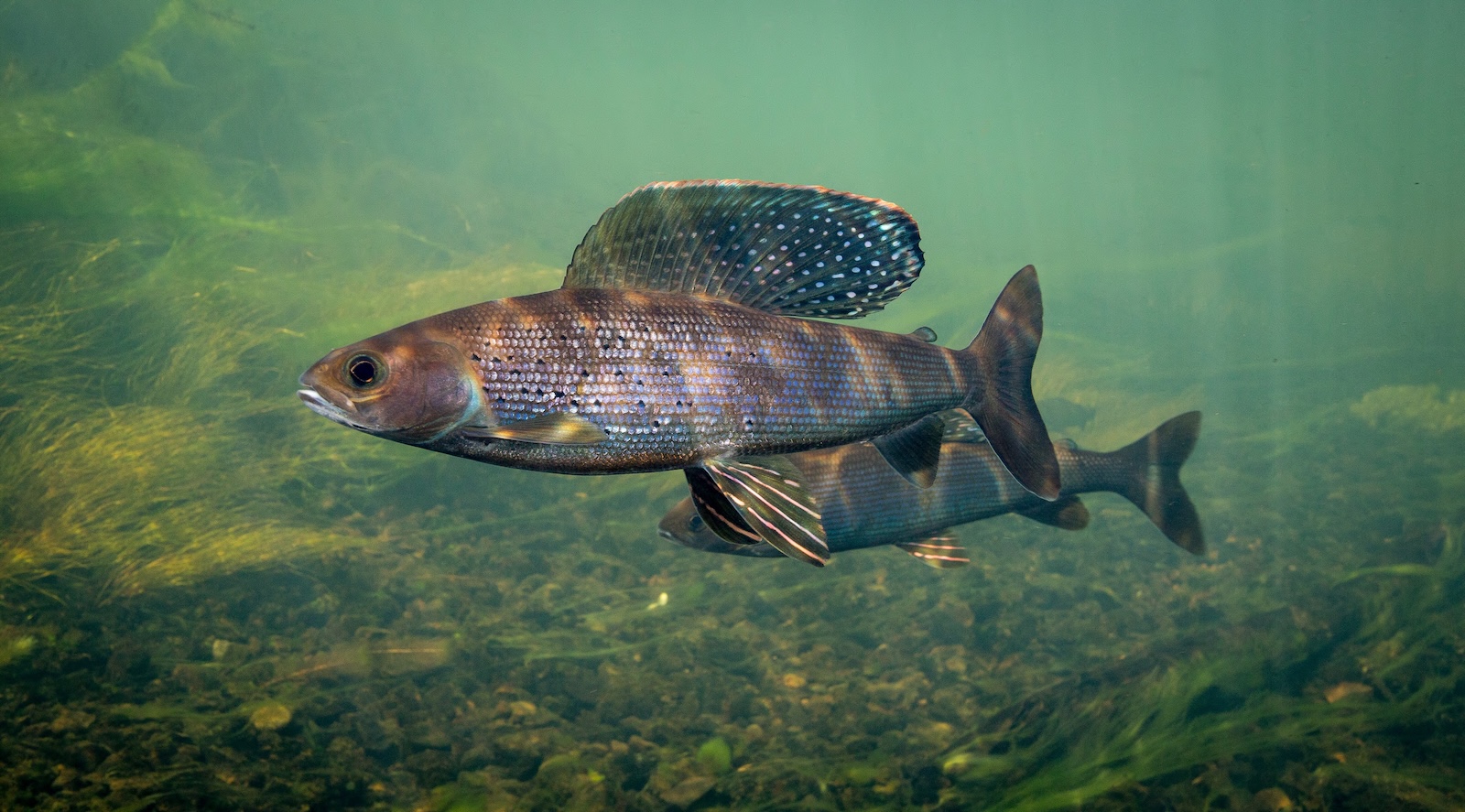
- Grand Traverse Band of Ottawa and Chippewa Indians raised roughly 8,000 young Arctic grayling at its streamside facility outside Traverse City and released them into the Boardman-Ottaway River this summer and fall — four times as many as last year, when a power outage killed most of the tribe's fish.
- Little River Band of Ottawa Indians stocked 391,000 grayling eggs via in-stream incubators on the Manistee River near Kalkaska, with viability around 50–60 percent; biologists watched tens of thousands of fry leave the incubators but have not seen them since.
- Little Traverse Bay Bands of Odawa Indians received eggs alongside the other two tribes, but hatchery manager Kris Dey said two years of ice storms and extreme flooding have blocked biologists from scouting previously prepared survey sites.
- All three tribes sourced their eggs from Alaska's Chena River — chosen for greater genetic diversity than Montana's Big Hole River — after years of planning and millions of dollars in combined state, federal, and private funding.
- None of the three tribes have recaptured a grayling in the wild, though monitors on the Boardman-Ottaway River picked up faint signals from tags on last year's Grand Traverse Band releases — biologist Sean Leask called it 'enough to give you a little hope.'
- Biologists estimate six to eight years before reintroduction can be judged a success, and tribal staff are already adapting hatchery methods — including growing fish larger before release — to counter warming waters that the Arctic species depends on.
Why it matters: With zero recaptures across three tribes and a 6–8 year evaluation window ahead, biologists are already redesigning incubation methods to counter warming rivers that this Arctic species depends on; because the tribes frame restoration as cultural reconnection as much as ecological recovery, a stalled population would resonate well beyond fisheries data.
Ask SkimNews