London Children's Lungs Recovered After Ulez Rollout — SkimNews
Get the Energy newsletter
Daily energy & climate — solar, EVs, oil, the policy fights and tech bets shaping the transition. Free.
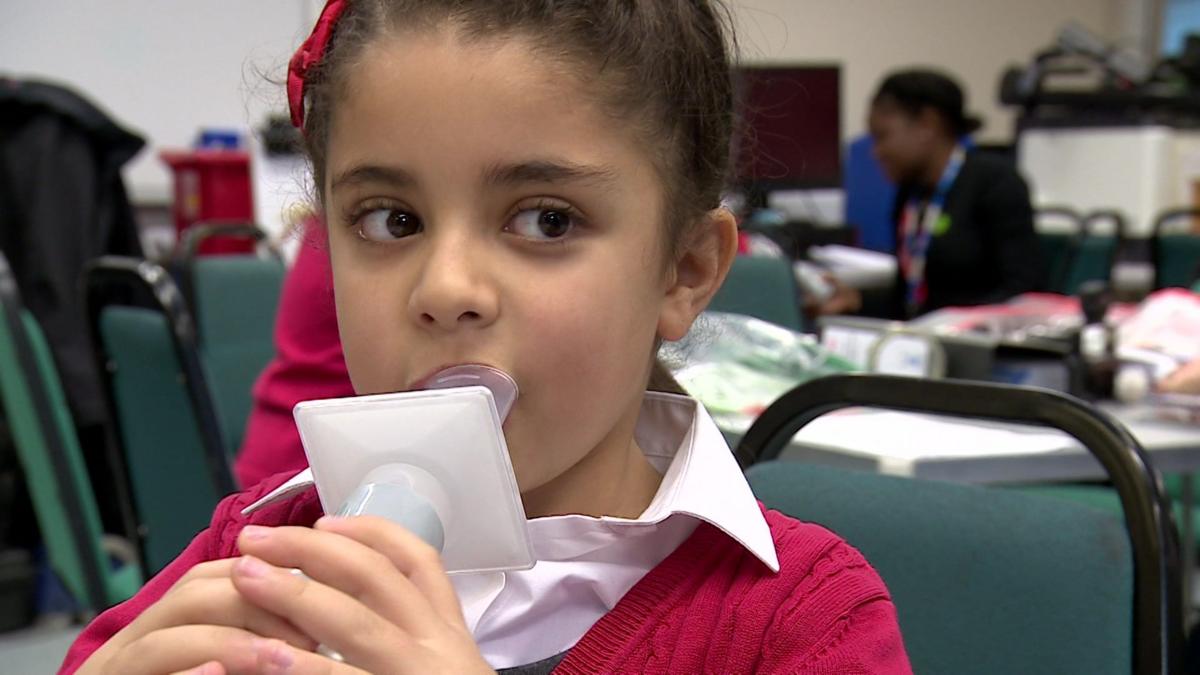
- Researchers tracked more than 3,400 primary school children aged six to nine in London and Luton over five years, finding that London children's lung capacity 'caught up' to Luton peers after Ulez's 2019 introduction
- Prof Chris Griffiths at Queen Mary University of London, a senior author on the study, said he was 'absolutely stunned' by the speed of catch-up in lung growth among the London group
- The proportion of London children with 'clinically impaired' lung capacity fell from 14% to 9% during the study period, while Luton's fell from 9% to 7%
- Nitrogen dioxide exposure fell faster in London than in Luton over the study period — which researchers link to the observed improvements in lung growth
- Independent experts including Prof Anna Hansell (University of Leicester) and Kevin McConway (Open University) cautioned that the study period included the COVID-19 pandemic, which altered movement patterns, and that other unmeasured differences between London and Luton could have contributed
- Dr Helen Wood at Queen Mary University of London led the study, published in The Lancet Public Health, with collaborators from the Universities of Bedfordshire, Oxford, Cambridge, Edinburgh and Southern California
- London's Ulez was first introduced in central London in 2019 by Mayor Sadiq Khan before expanding citywide, a rollout that drew political opposition and protests despite the new health findings
Why it matters: For policymakers weighing clean-air zones globally — with more than a billion children in cities exposed to polluted air, per the researchers — the study offers the strongest evidence yet that aggressive emission cuts can rapidly reverse stunted lung growth. But independent experts flag the COVID-era timing, when movement patterns shifted everywhere, as a factor the study cannot fully separate from the Ulez effect, and both cities' air pollution remains above WHO guidelines.
Ask SkimNews