Avocado-Mango Diet Improves Vessel Function — SkimNews
Get the Health newsletter
Daily health & science — research, biotech, public health, the studies worth knowing. Free.
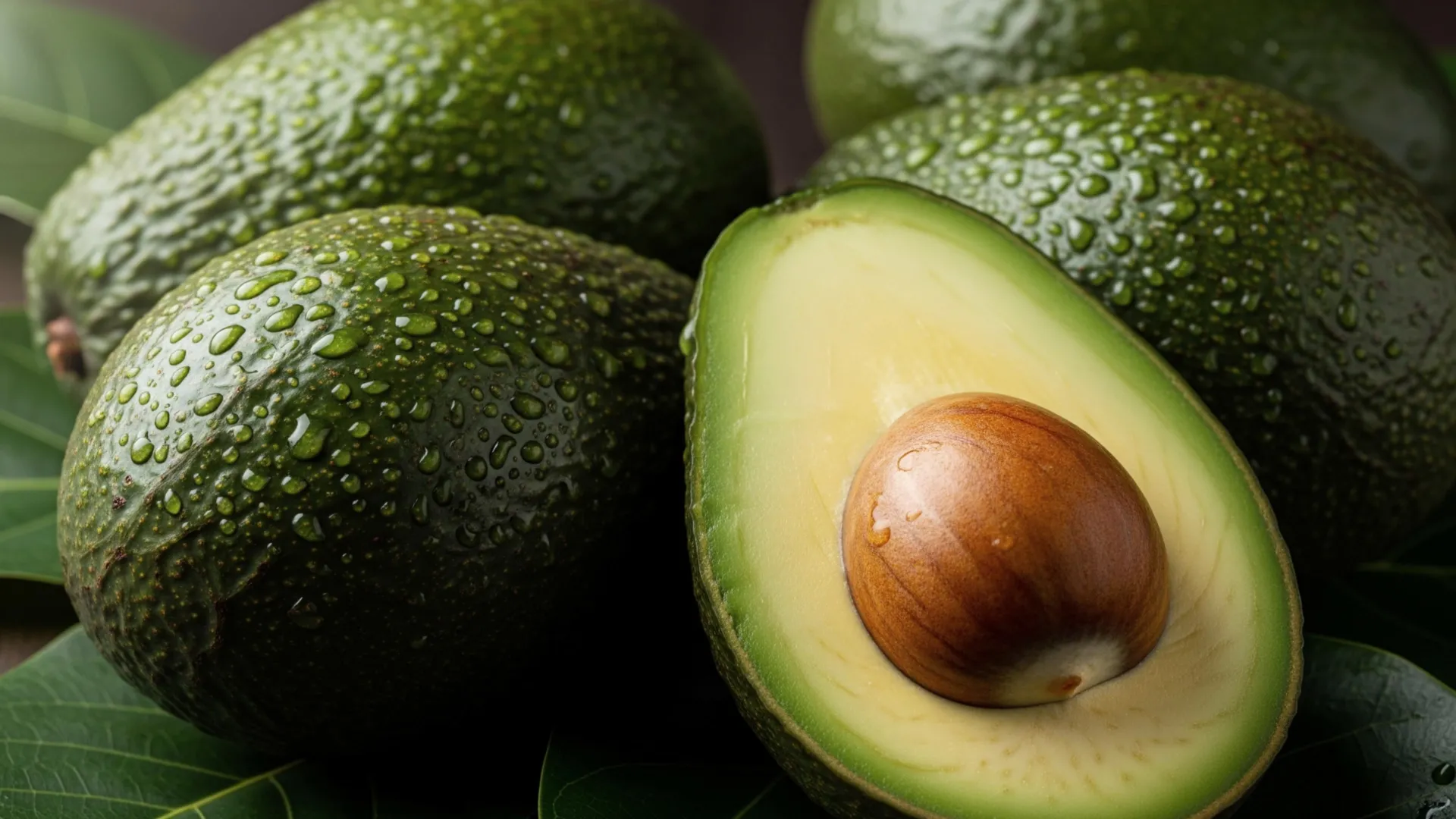
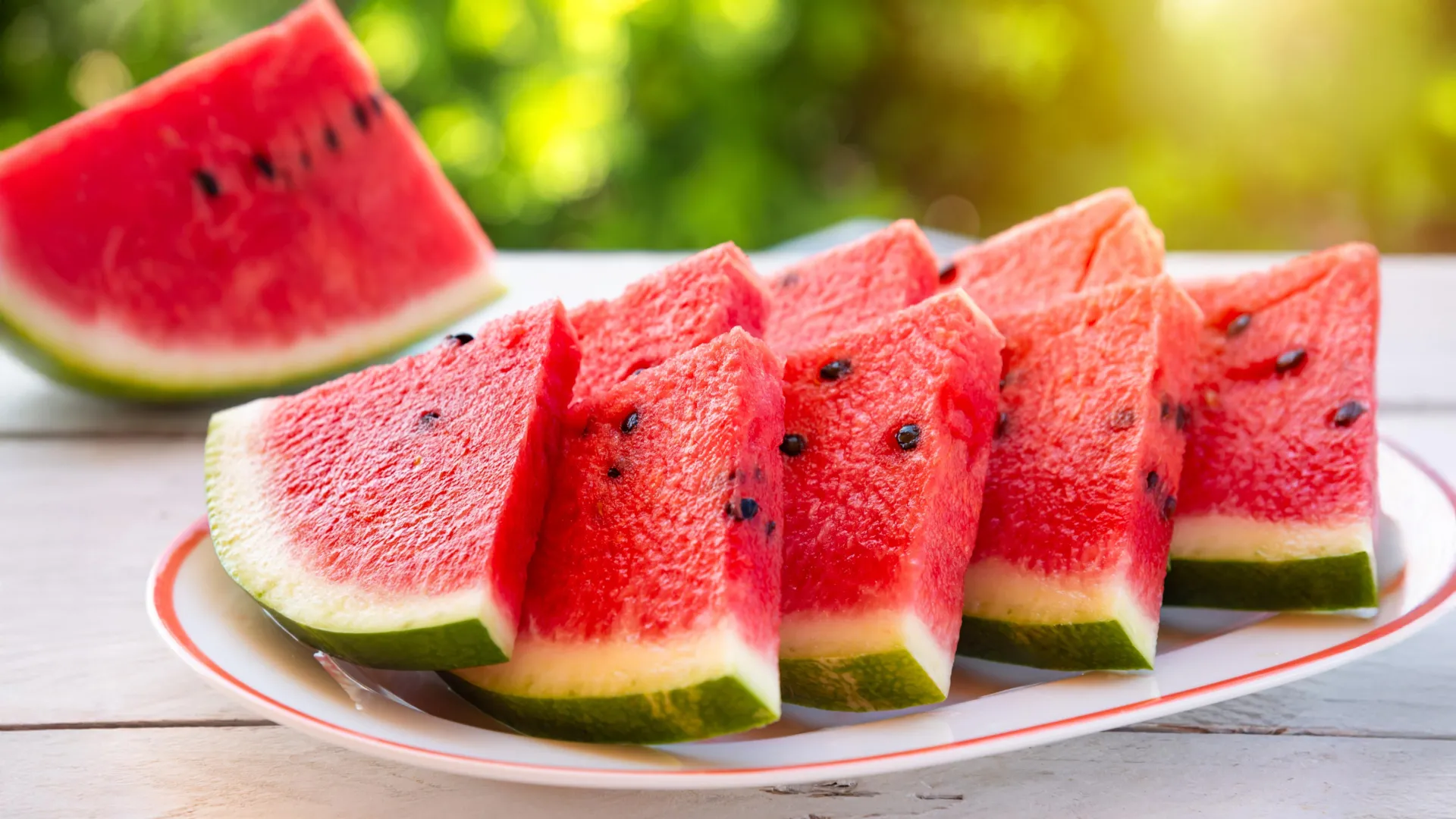
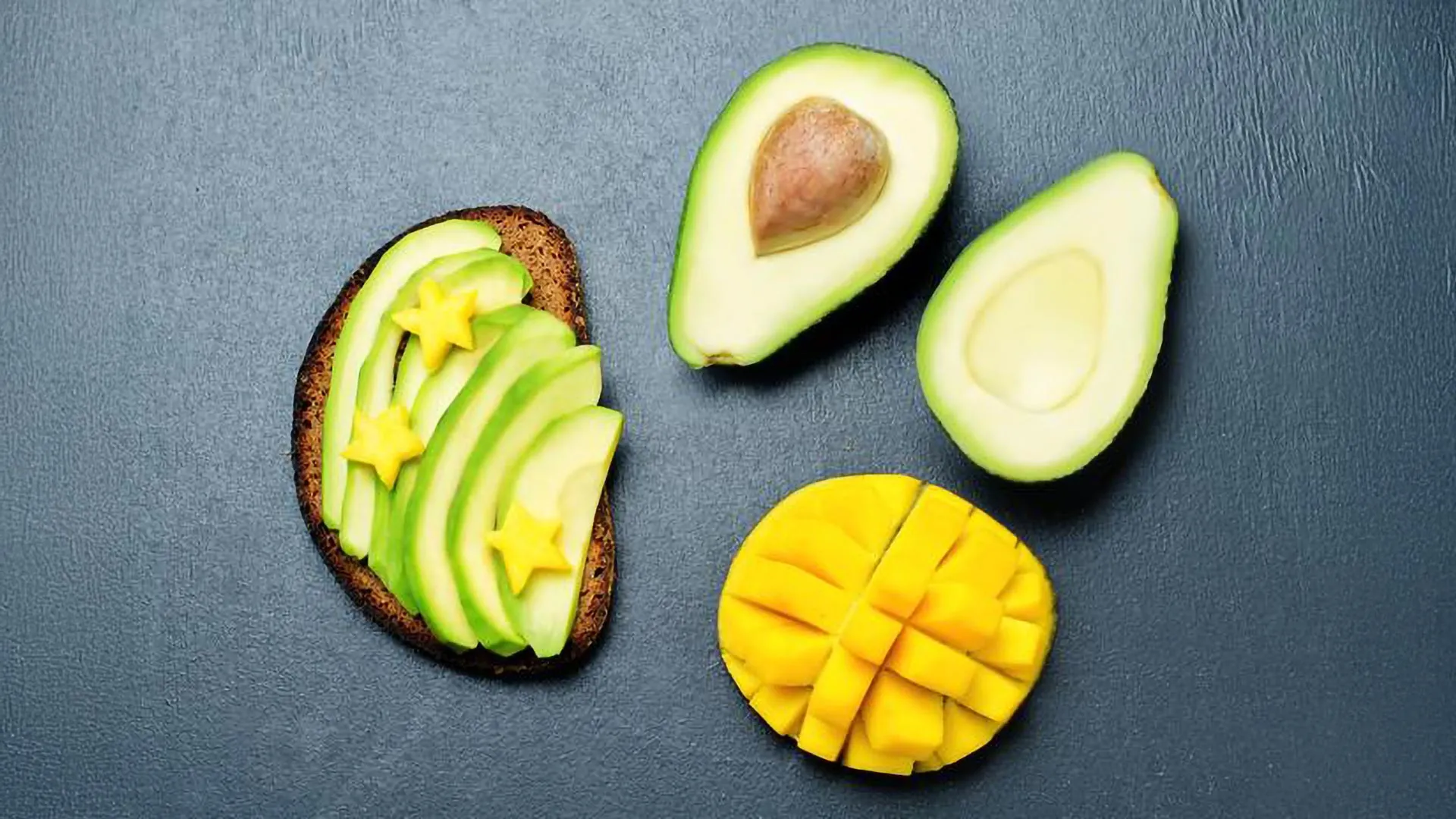
- Avocado-Mango diet was tested for eight weeks in 82 adults ages 25–60 with prediabetes and overweight or obesity; the fruit group ate one medium Hass avocado and one cup of fresh mango daily, versus calorie-matched carbohydrate alternatives, with prepared meals covering 75% of estimated daily calories.
- Flow-mediated dilation rose significantly to 6.7% in the avocado-and-mango group, while the control group’s measure declined to 4.6%, revealing a between-group difference in endothelial function.
- Male participants in the avocado-and-mango group saw central blood pressure fall by approximately 1.9 mmHg, versus an average 5 mmHg increase among men in the control group.
- Participants on the avocado-and-mango diet consumed more fiber, vitamin C and monounsaturated fat, with no significant change in total calorie intake or body weight.
- Estimated glomerular filtration rate (eGFR) improved in the avocado-and-mango group, one of the kidney-related indicators researchers identified after the eight-week intervention.
- Cholesterol, blood sugar and inflammatory markers showed no significant improvement compared with the control group, despite favorable vascular and blood-pressure results.
- Combination effect was not established: the study did not determine whether eating avocado and mango together provides greater benefits than eating either fruit separately.
Why it matters: For the 98 million Americans with prediabetes, the trial shows that a simple dietary change produced measurable vascular and blood-pressure differences without weight gain. Its boundaries are concrete: 82 participants, eight weeks, and surrogate outcomes rather than heart attacks or strokes, so the finding remains promising rather than definitive.
Ask SkimNews