Cybercab's Highway Ban Turns Austin Trip Into 70-Min Detour — SkimNews
Get the Tech newsletter
Daily tech — startups, AI labs, chips, the launches that shape the next decade. Free.
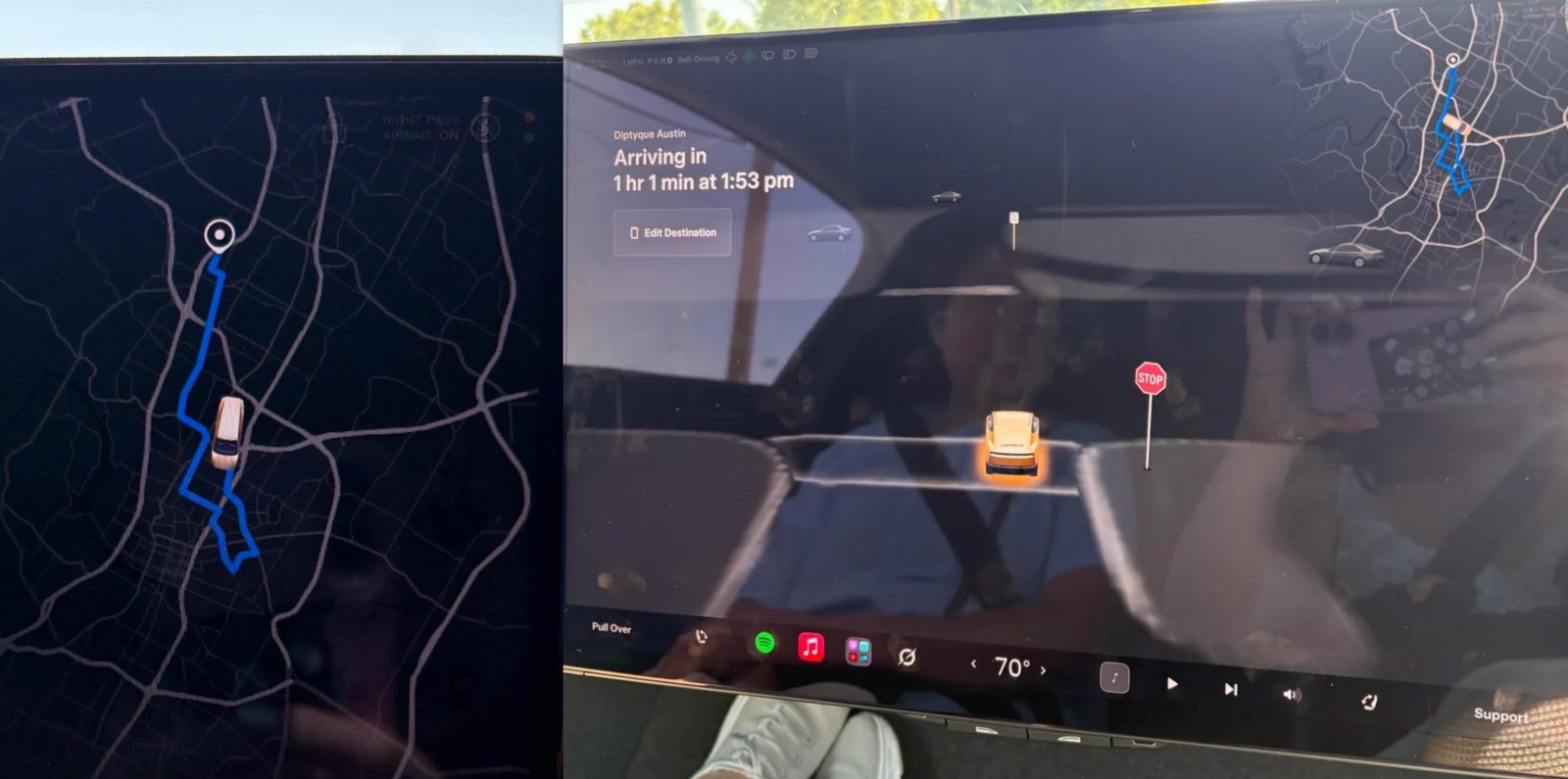
- Cybercab rider booked a 10-minute trip from 99 Ranch Market to the Domain in north Austin, but the driverless taxi took a 70-minute detour south through East Austin, the rider posted on r/Austin.
- Tesla's robotaxi software avoids highways like MoPac and US-183 as well as at-grade railroad crossings, forcing the car to run parallel to Capital Metro's Red Line on surface streets until it could cross the tracks on a bridge in East Austin.
- Tesla's app shows only a price estimate at booking — no time estimate — so riders discover they're on the scenic route only after the ride begins; the 70-minute fare came to $20, roughly market rate.
- NHTSA opened an audit into Tesla's self-certification of the two-seater Cybercab, which has no steering wheel or pedals, on September 3 — the same day public rides launched in Austin, and days after one of Tesla's robotaxis drove straight through a set of bollards.
- Tesla's robotaxi fleet averages a crash roughly every 57,000 miles, about four times worse than an average human driver, while Waymo already runs fully driverless rides on freeways.
- Tesla runs the same surface-street-only software on its Model Y robotaxis and the Cybercab, meaning any Austin rider can draw the same circuitous route.
Why it matters: Tesla is monetizing a robotaxi service that cannot access highways, cannot cross train tracks, and can multiply a trip's duration sevenfold — and it is doing so under an active NHTSA audit of the Cybercab's self-certification that opened the same day public rides launched.
Ask SkimNews