Cybercab Takes 70-Minute Detour Over Highway Ban — SkimNews
Get the Energy newsletter
Daily energy & climate — solar, EVs, oil, the policy fights and tech bets shaping the transition. Free.
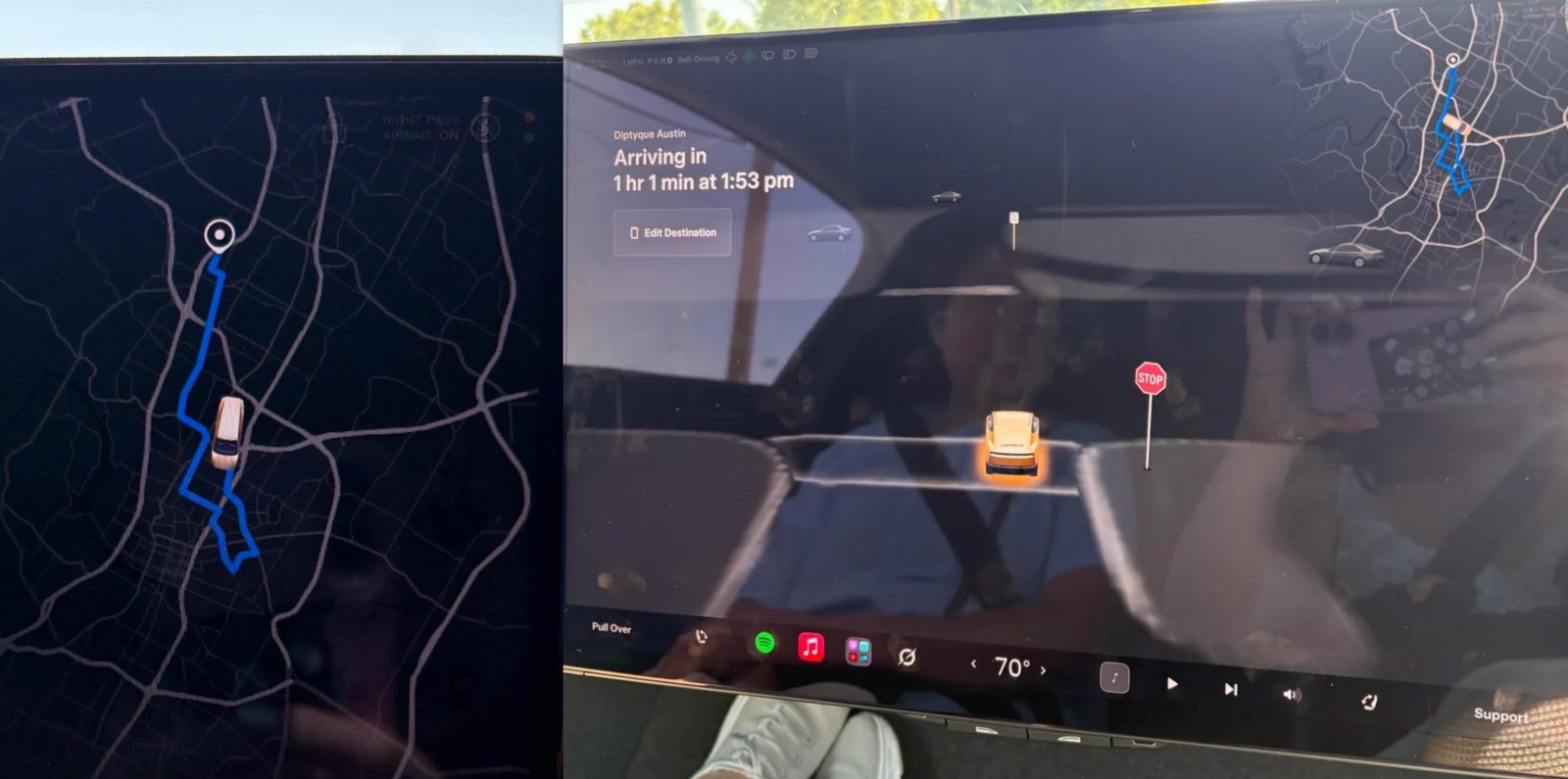
- The Cybercab turned a 10-minute Austin ride from 99 Ranch Market to the Domain into a 70-minute ordeal, the rider posted on r/Austin, because the robotaxi cannot use highways like MoPac or US-183.
- Riders in the thread concluded the Cybercab also avoids at-grade railroad crossings, so it ran south on surface streets parallel to Capital Metro's Red Line until a bridge in East Austin provided a crossing.
- The fare came to $20, but Tesla's app shows a price estimate — not a time estimate — so riders don't discover the longer route until they're already on it.
- Waymo already runs fully driverless rides on freeways; Tesla's vision-only system stays on lower-speed surface streets inside a tight geofence where errors unfold at 35 mph instead of 65.
- NHTSA opened an audit the same day the steering-wheel-free Cybercab began carrying public riders on September 3, examining how Tesla self-certified a two-seater with no steering wheel or pedals.
- Tesla's Model Y robotaxis in Austin run the same surface-street-only software as the Cybercab, so any rider can draw the same 70-minute detour route.
Why it matters: Tesla's Cybercab can't use Austin's highways or cross at-grade rail tracks, turning short hops into hour-long detours — a gap Waymo's freeway-capable driverless service has already closed. With NHTSA auditing Tesla's self-certification the same day public rides launched September 3, $20-per-trip Austin riders are testing an autonomy demo, not a finished product.
Ask SkimNews