Two Massachusetts Cranberry Bogs Harvest Beneath Solar — SkimNews
Get the Energy newsletter
Daily energy & climate — solar, EVs, oil, the policy fights and tech bets shaping the transition. Free.
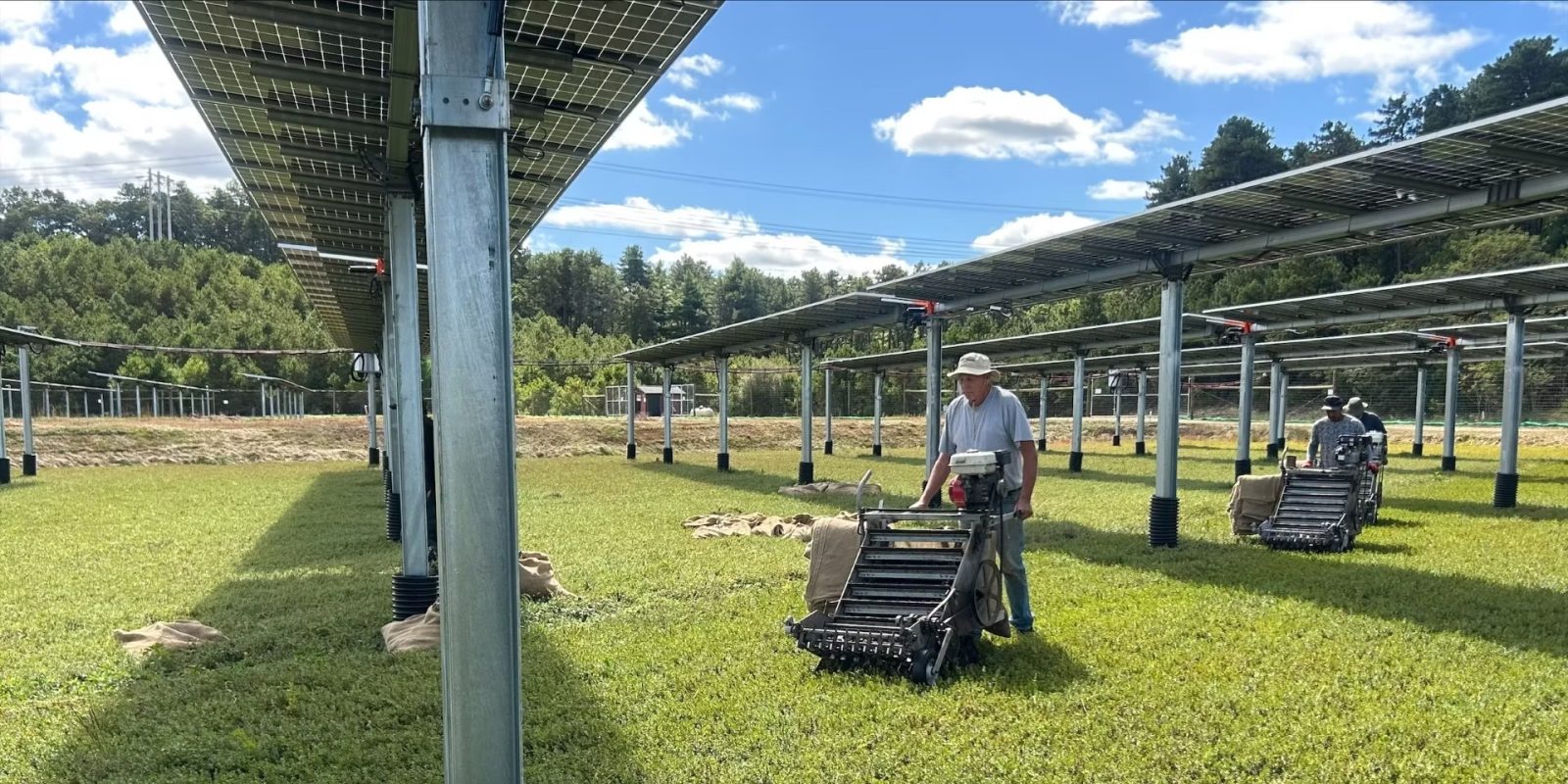
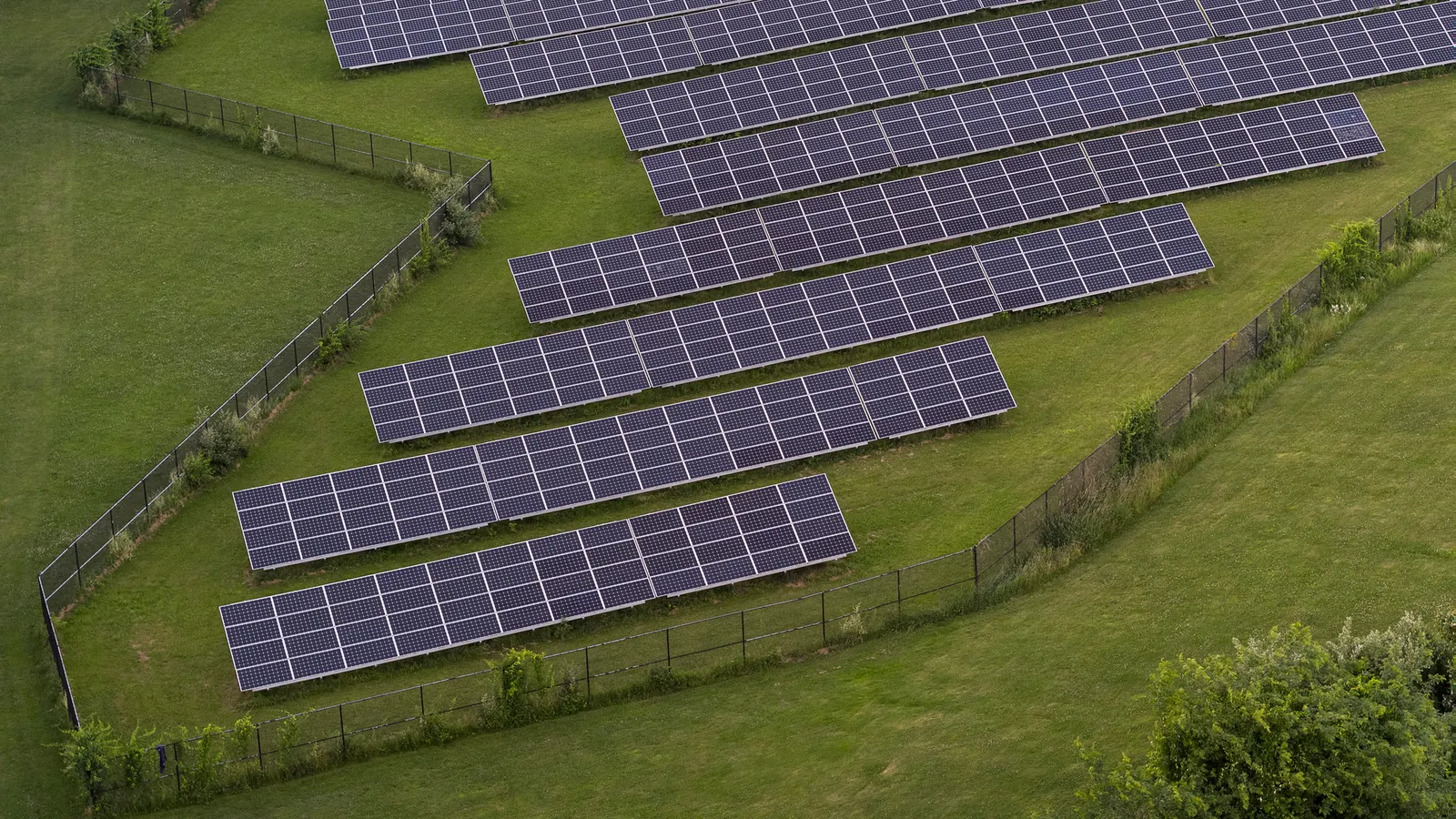
- Distributed Energy Infrastructure built a 4.4-megawatt array with a 13.5-megawatt-hour battery in Kingston and a 1-megawatt array in Plymouth; the sites are entering a second harvest season and are described as the country’s first, perhaps the world’s first, cranberry solar installations.
- Massachusetts began offering incentives for dual-use solar in 2018 and currently pays 1-to-5-megawatt arrays 23.17 cents per kilowatt-hour, plus 9 cents for agrivoltaics; the state targets net-zero carbon emissions by 2050.
- Greenbacker Renewables bought former cranberry land in Kingston and Plymouth, worked with Distributed Energy Infrastructure on the arrays, hired Iain Ward to manage the farms and uses a community-solar model to sell power to customers.
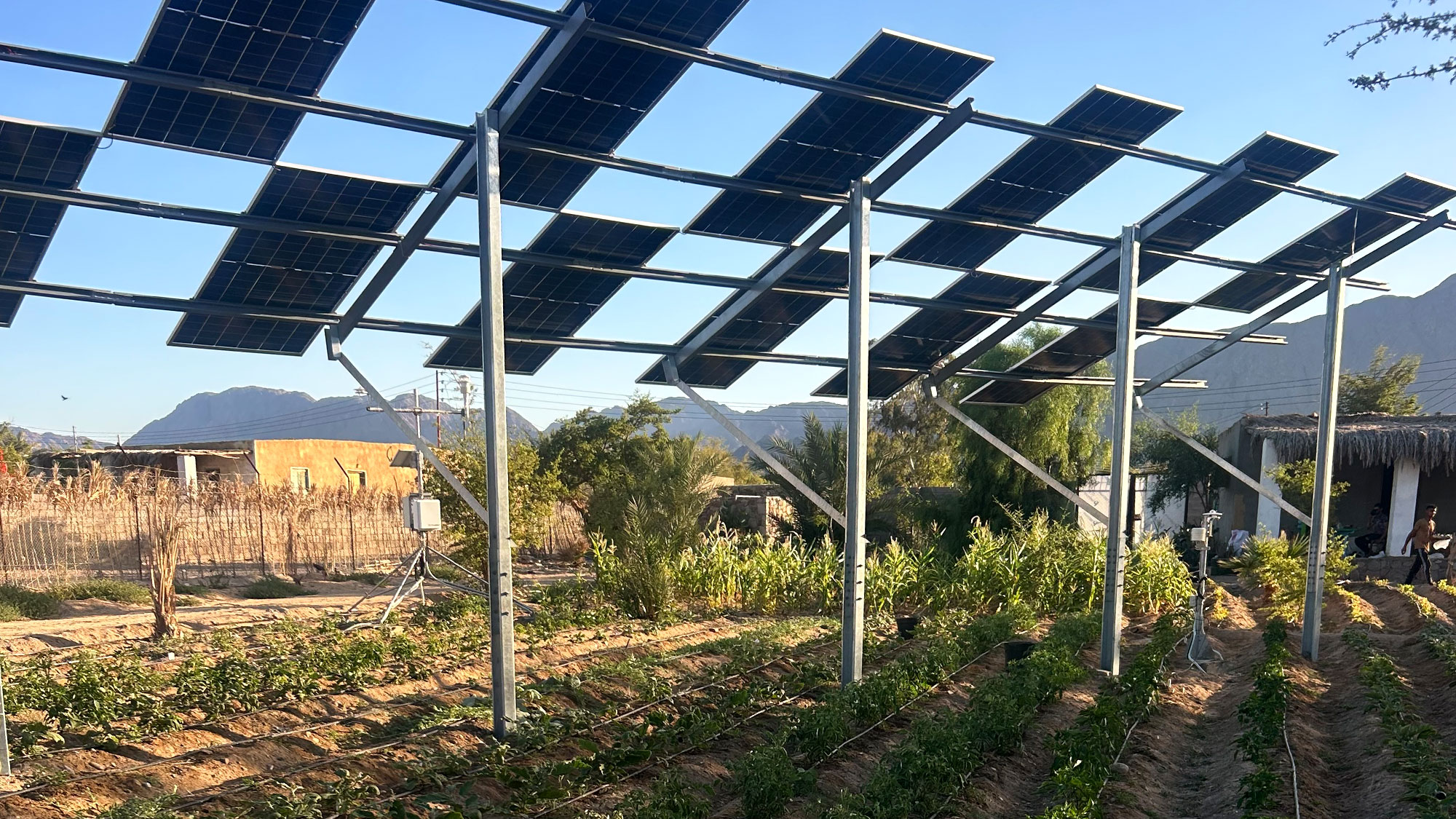
- Prateek Tare said the cranberry sites required foundations driven well beyond the usual 8 to 10 feet, overhead wiring and panels mounted 10 feet high, with pilings spaced widely enough for harvesting equipment to pass.
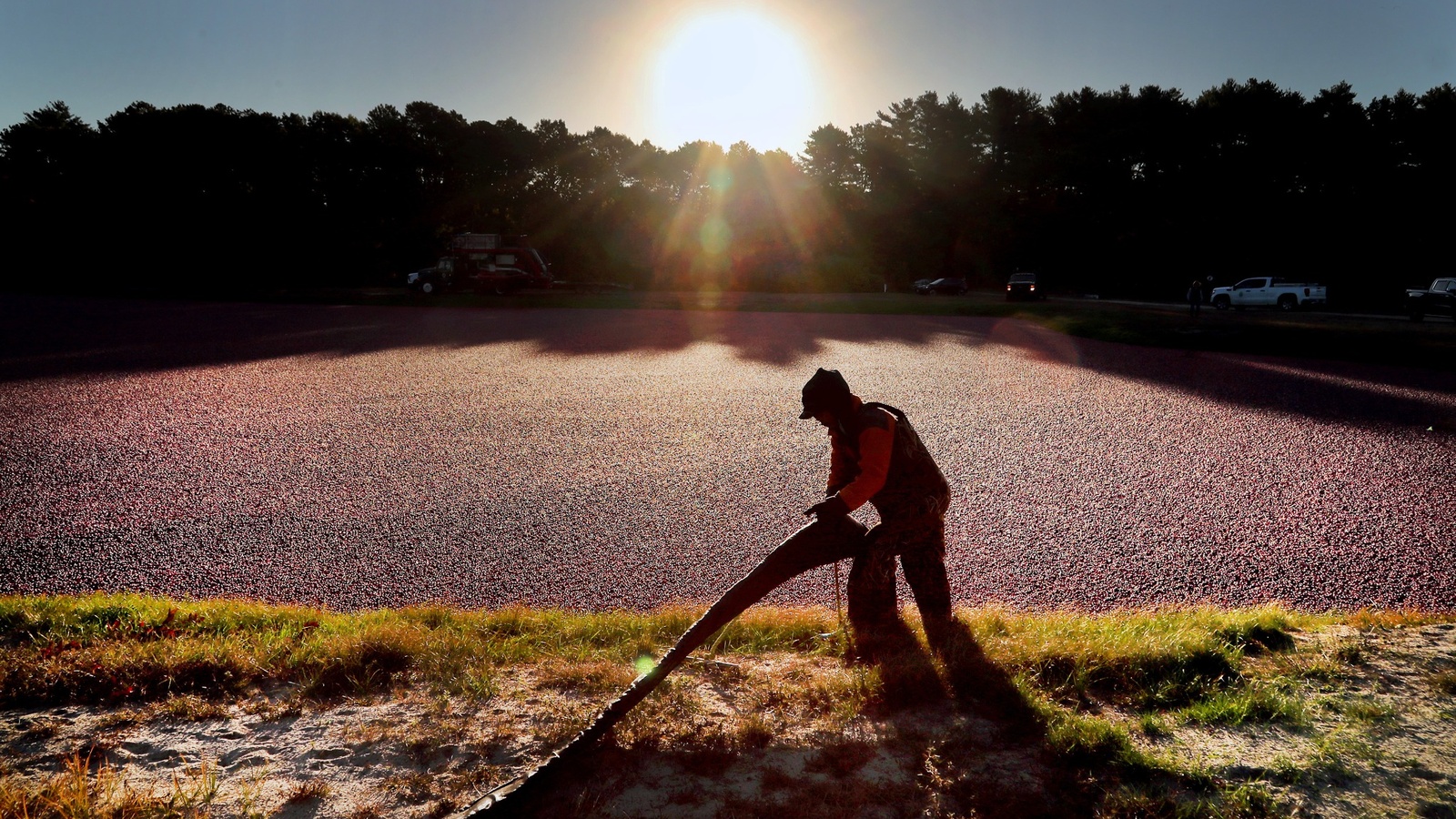
- Massachusetts grows more cranberries than any state except Wisconsin, while its protected-wetland bogs cannot be built on; for grid-connected growers, solar offers a financial lifeline without ending agricultural use.
- Carver has a stalled cranberry-solar project whose arrays were built and crops planted before the developer went bankrupt; the new bog owner told Iain Ward they intend to finish it.
- Distributed Energy Infrastructure is pursuing additional agrivoltaic projects in an apple orchard, a cattle pasture and a Christmas tree farm, with preliminary work underway on another cranberry bog.
Why it matters: Farmers who lease land gain lease payments and compensation for landscape maintenance as Massachusetts’ solar program pays 23.17 cents per kilowatt-hour for 1-to-5-megawatt arrays, plus 9 cents for agrivoltaics. The operating Kingston and Plymouth sites give developers a working model for retaining agricultural use while navigating local opposition.
Ask SkimNews