Natural compound may fight rheumatoid arthritis at its source — SkimNews

Get the Culture newsletter
Daily culture — film, music, books, the trends and ideas worth your attention. Free.
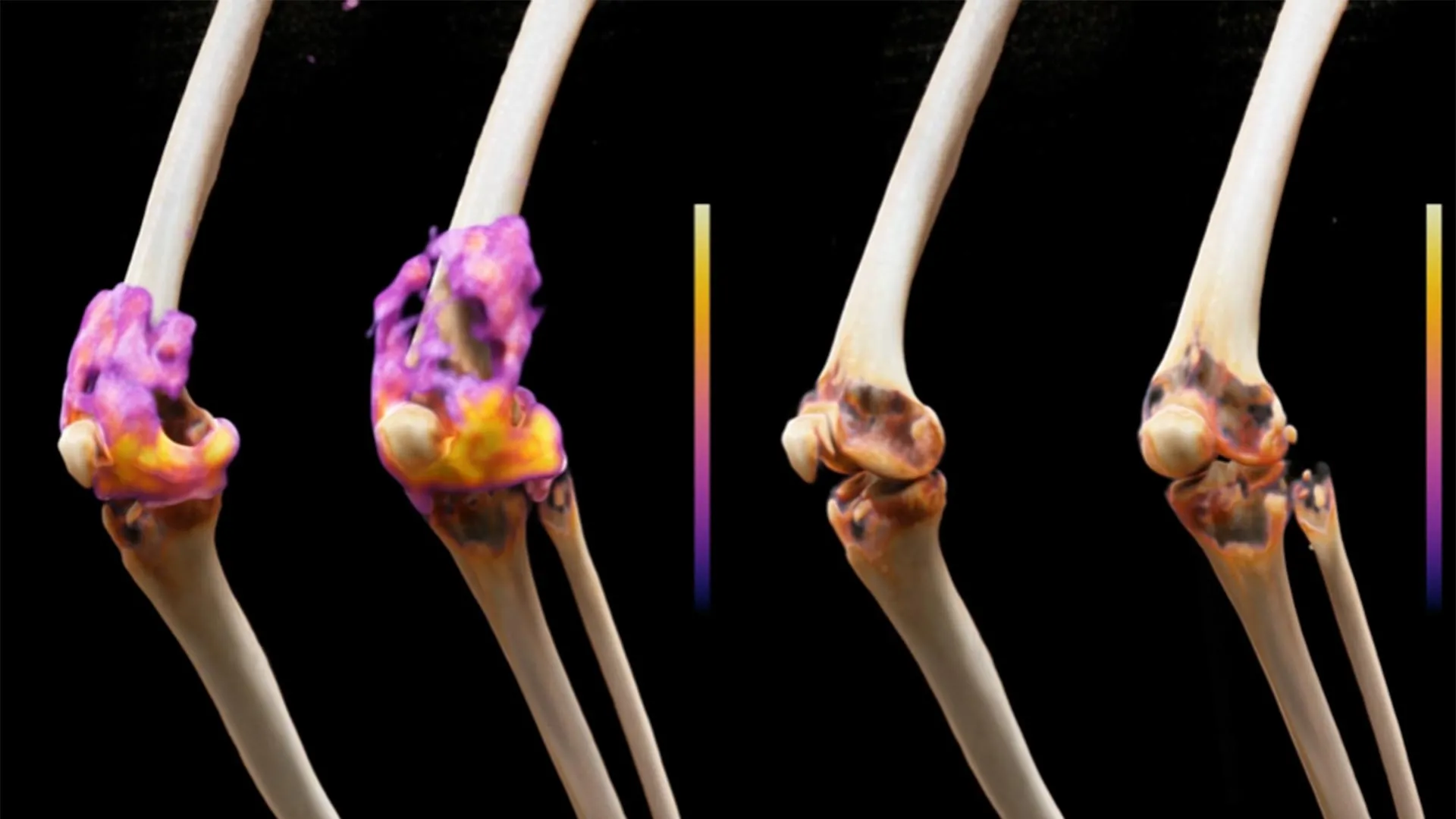
- Obakulactone (OL), a tetracyclic triterpenoid from Phellodendri cortex, reduced joint swelling and restored cartilage and synovium structure in rats with CFA-induced rheumatoid arthritis across 21-day doses of 50, 100, and 200 mg·kg-1·d-1.
- OL shifted joint macrophages from the proinflammatory M1 (CD86) state to the anti-inflammatory M2 (CD206) state, and cut elevated levels of CD3+ T cells, CD68+ macrophages, and Th17 cells in joint tissue.
- Blood tests showed OL lowered inflammatory cytokines (IL-1β, IL-6, IL-17, TNF-α) and RA markers (RF, CCP-Ab, CRP, MMP-3) in a dose-dependent manner.
- Multiomics analysis found OL corrected disrupted unsaturated fatty acid metabolism involving arachidonic, linoleic, and α-linolenic acid, and slowed the growth of abnormal synovial fibroblasts while promoting their apoptosis.
- Cellular thermal shift assays, microscale thermophoresis, and surface plasmon resonance confirmed OL binds directly to ACOT1 (Kd ≈ 6.18–6.34 μmol·L-1), triggering its ubiquitin-proteasome degradation and suppressing JAK-STAT and PI3K-AKT signaling.
- Because the work was conducted in rats and isolated cells, the authors flag that human trials are needed to determine safety and efficacy.
Why it matters: For the roughly 1% of people worldwide living with RA—and particularly those who don't respond to existing therapies—the study names ACOT1 and unsaturated fatty acid metabolism as actionable drug targets, opening a mechanism-distinct therapeutic route that still needs to clear human clinical testing.
Ask SkimNews