Dirty air may trigger painful rheumatoid arthritis flares — SkimNews
Get the Health newsletter
Daily health & science — research, biotech, public health, the studies worth knowing. Free.
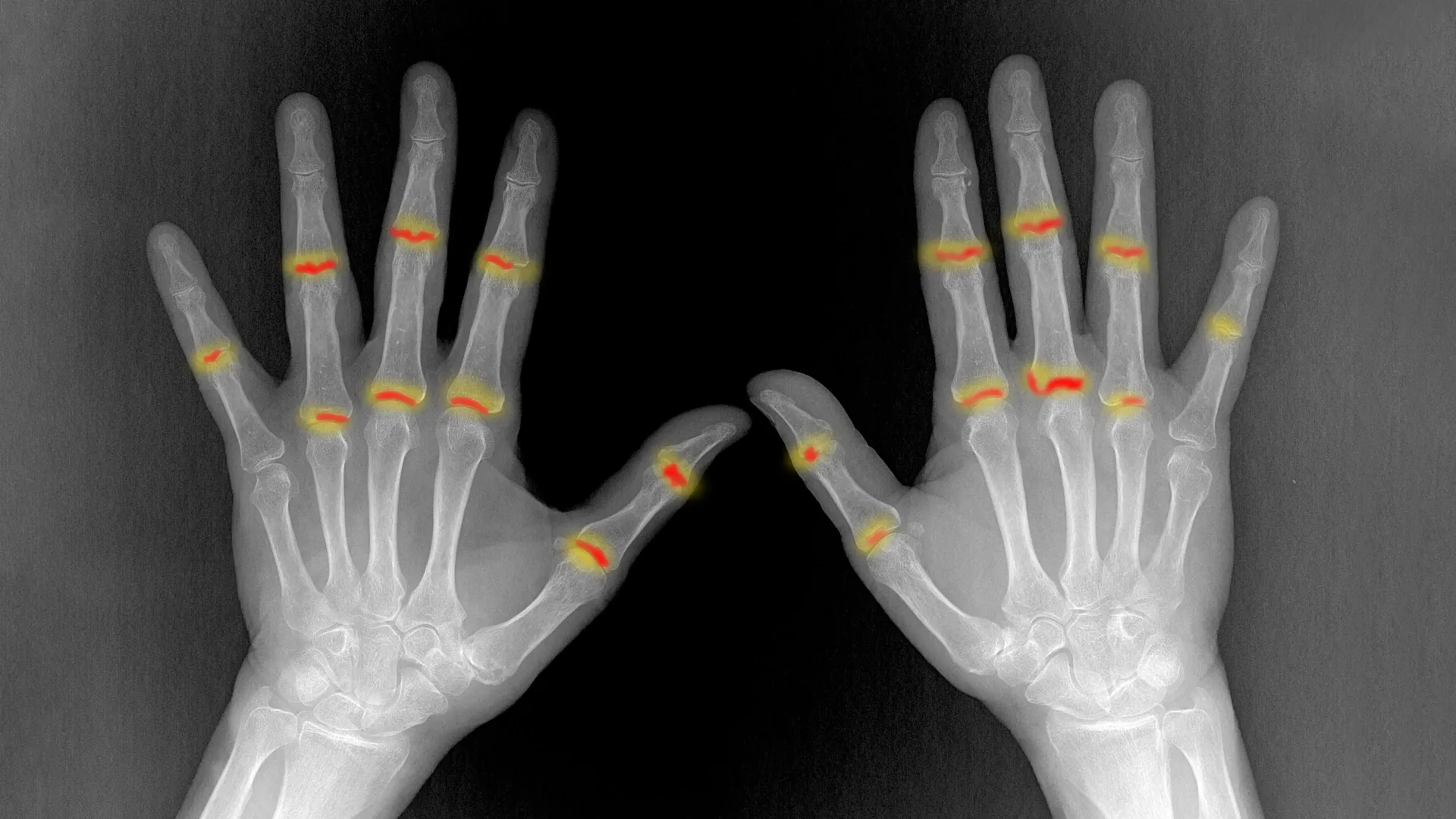
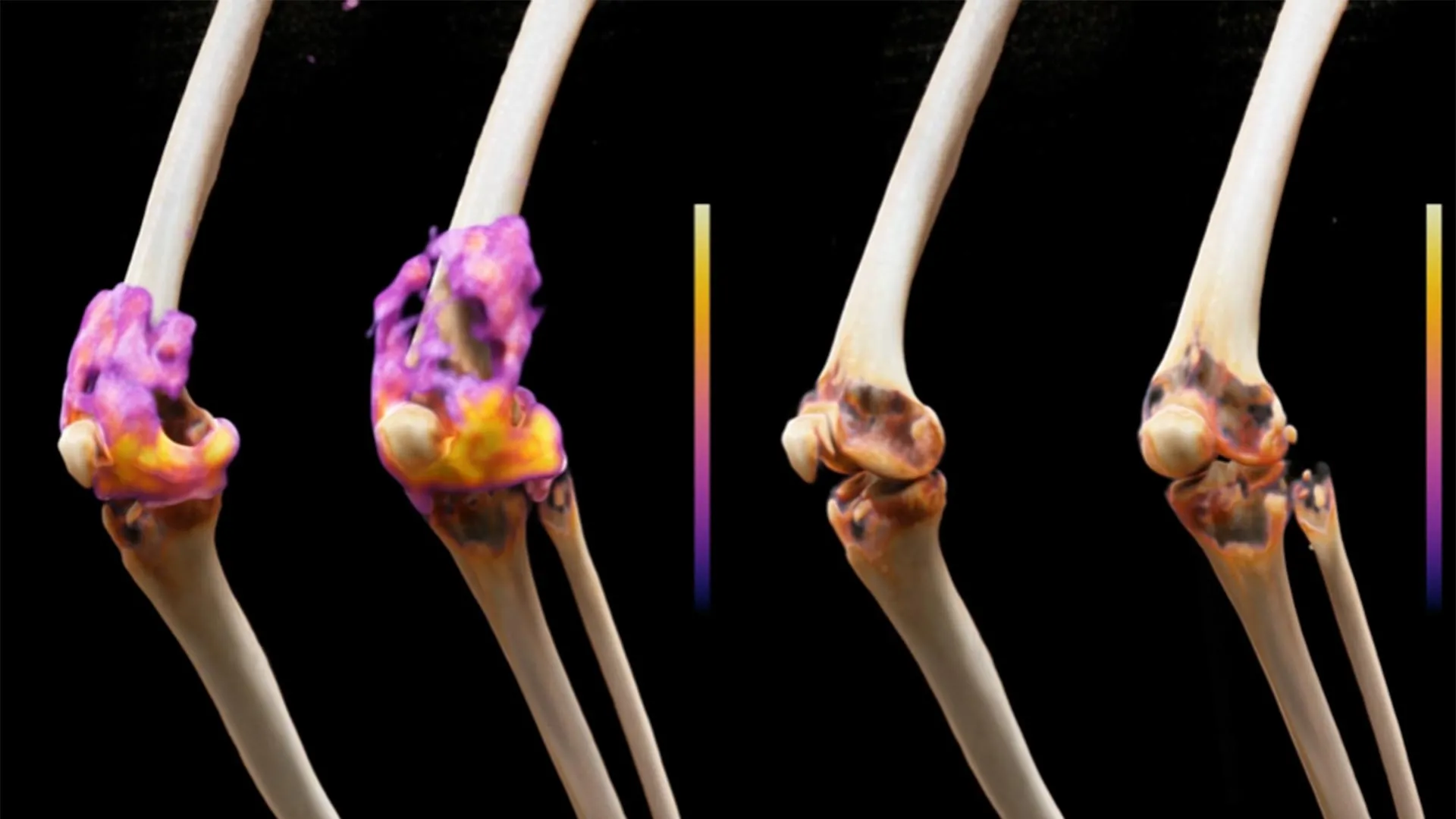
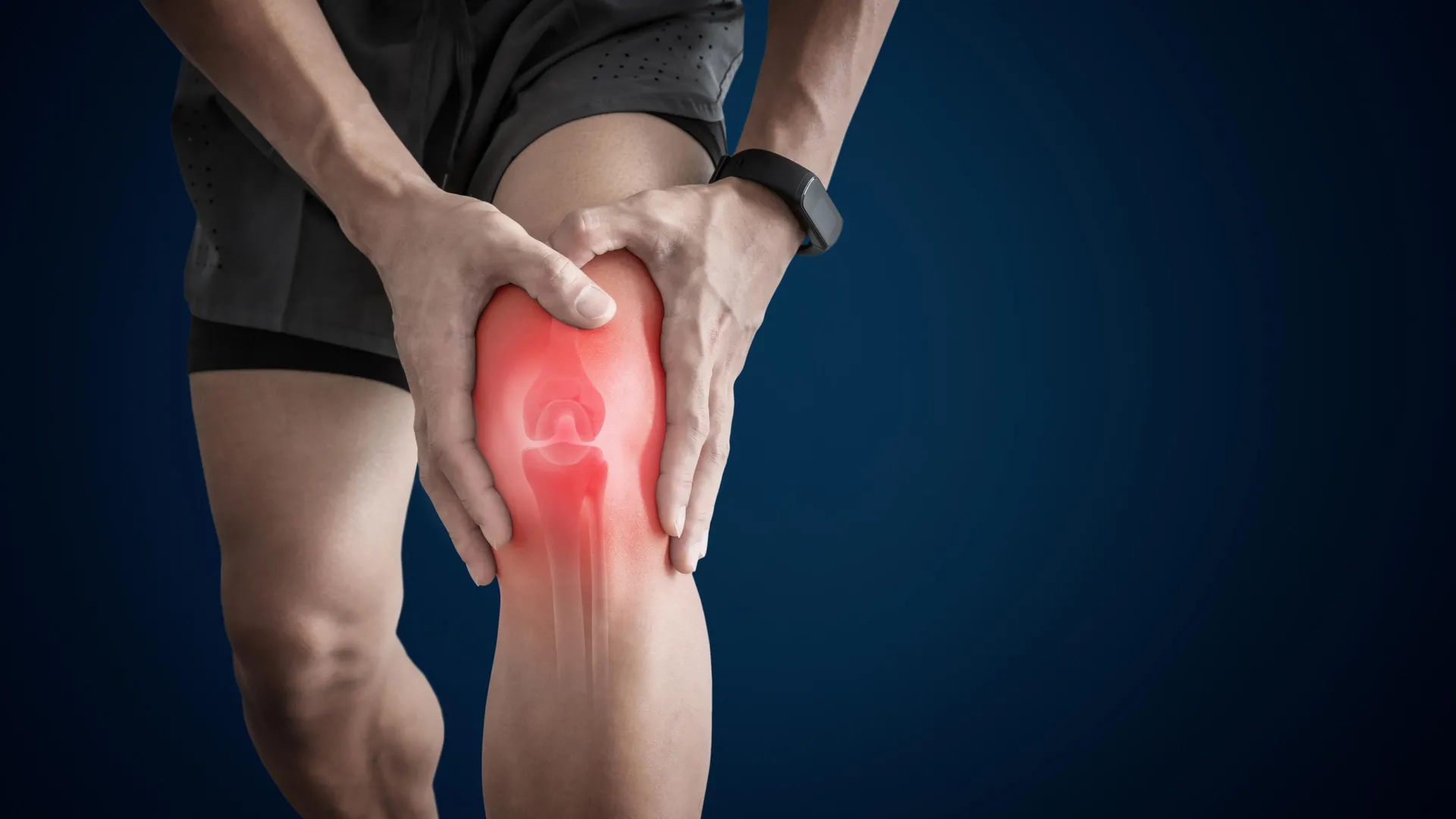
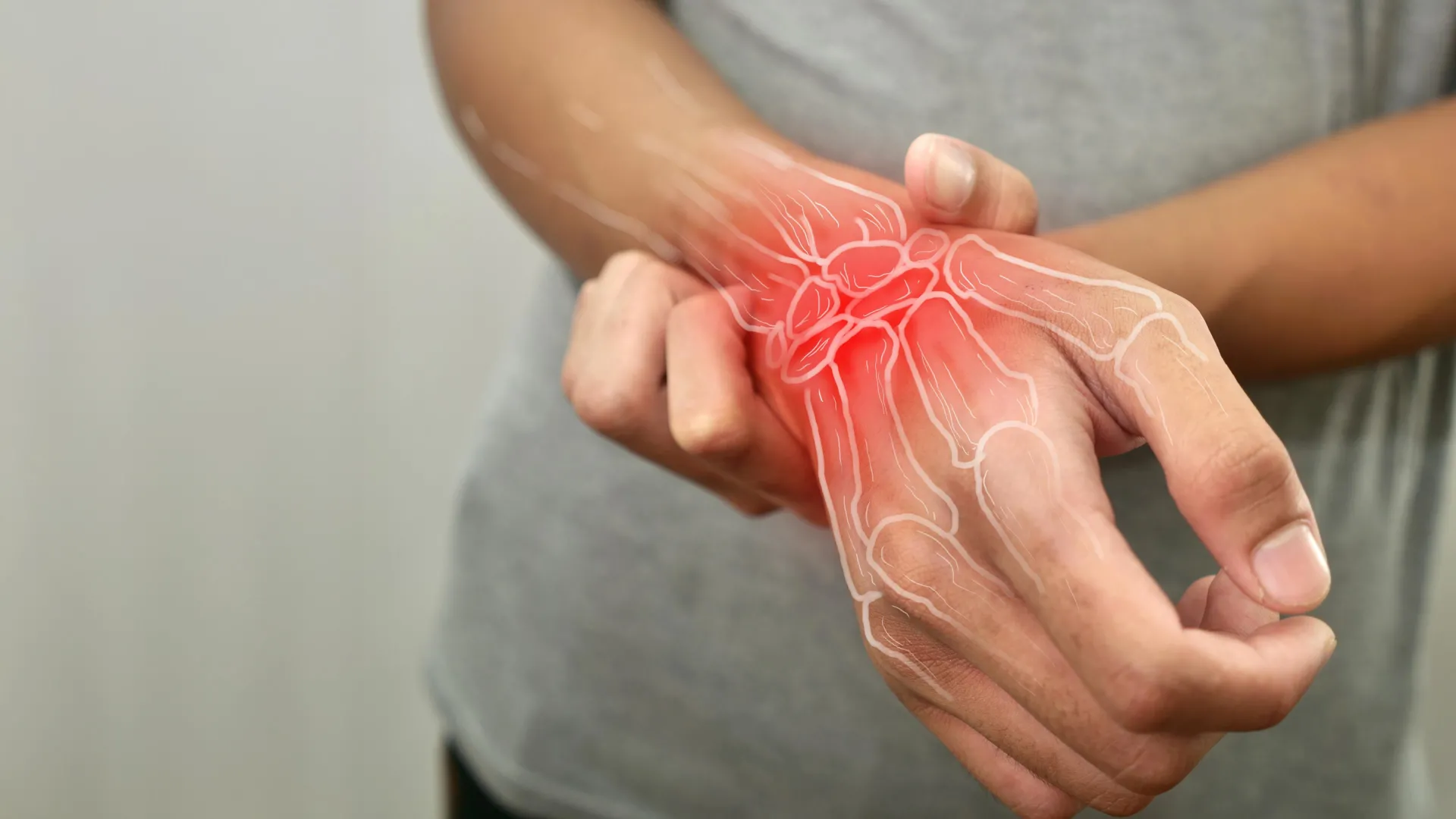
- Annals of the Rheumatic Diseases (EULAR Journal, Elsevier) published a study finding PM2.5 air pollution linked to increased rheumatoid arthritis disease activity and flare risk, particularly after more than two weeks of elevated exposure.
- Seoul National University College of Medicine investigators tracked 1,070 RA patients across 12,583 outpatient visits over four years (2021-2024) at a major South Korean medical center.
- Lead investigator Eun Bong Lee and team analyzed six common air pollutants (SO2, NO2, O3, CO, PM10, PM2.5), with PM2.5—particles smaller than red blood cells—emerging as the dominant driver of RA flares.
- The researchers propose a biological mechanism: inhaled PM2.5 enters the bloodstream and stimulates reactive oxygen species that damage DNA and trigger inflammatory responses across organs.
- Jeffrey A. Sparks of Mass General Brigham and Harvard Medical School wrote an accompanying editorial calling the results clinically, biologically, and public-health significant and noting inhalants may have broad implications for autoimmune diseases beyond RA.
- ARD Editor-in-Chief Josef Smolen of the Medical University of Vienna cautioned that the cohort has a specific Korean genetic and environmental profile and called for replication studies in other regions.
- Dr. Lee recommended RA patients avoid prolonged exposure to high-PM2.5 air, while stressing further research is needed to confirm whether improving air quality directly lowers disease activity.
Why it matters: With RA affecting an estimated 0.5% to 1% of adults worldwide, the study adds PM2.5 to smoking as a potentially modifiable RA trigger. For clinicians, the practical implication is concrete: advising RA patients to limit outdoor time during high-PM2.5 periods may now sit alongside medication adherence as a standard disease-management tool.
Ask SkimNews