UBE2N Enzyme Reduces Liver Damage in MASH Mouse Study — SkimNews
Get the Health newsletter
Daily health & science — research, biotech, public health, the studies worth knowing. Free.
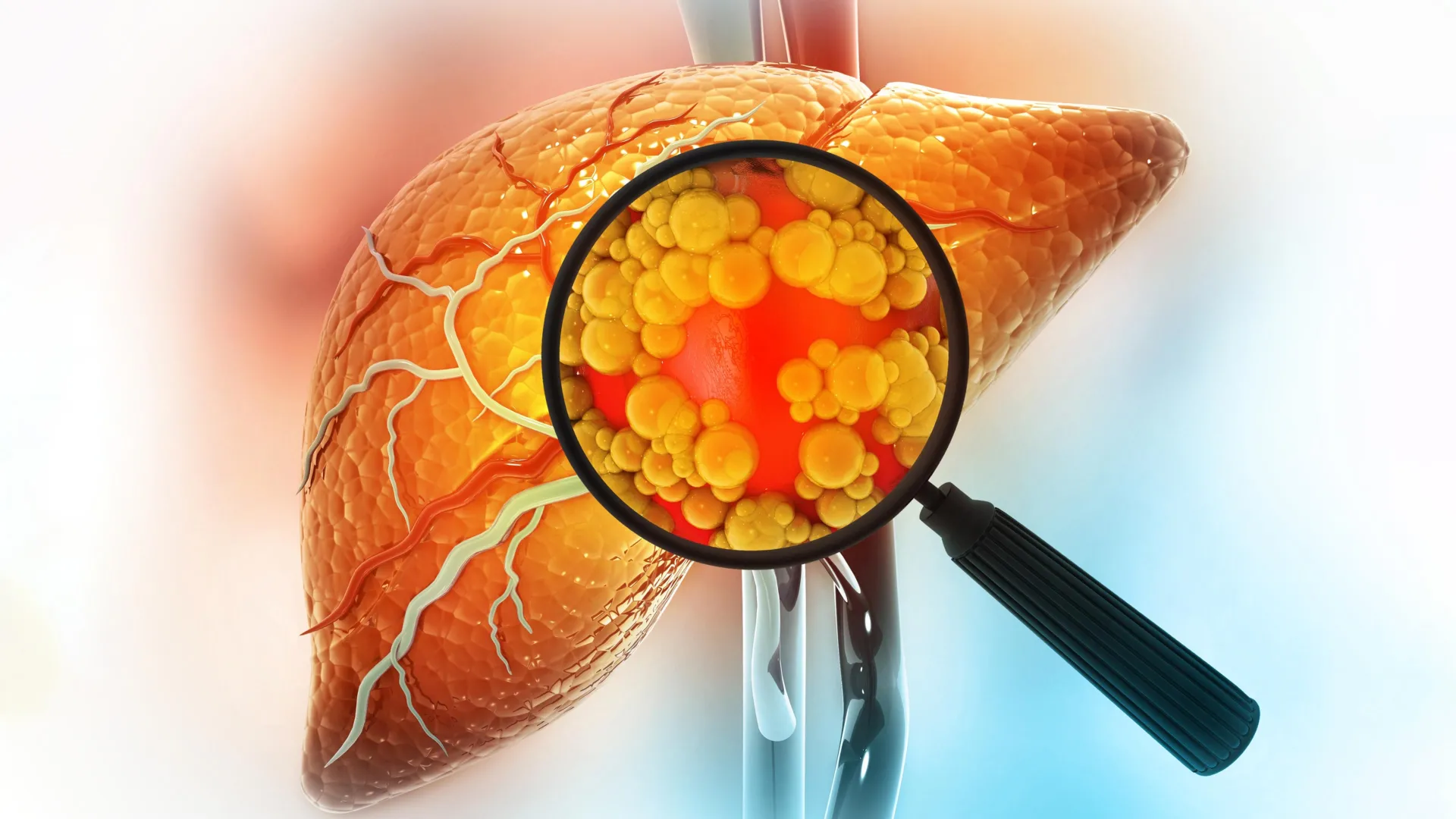
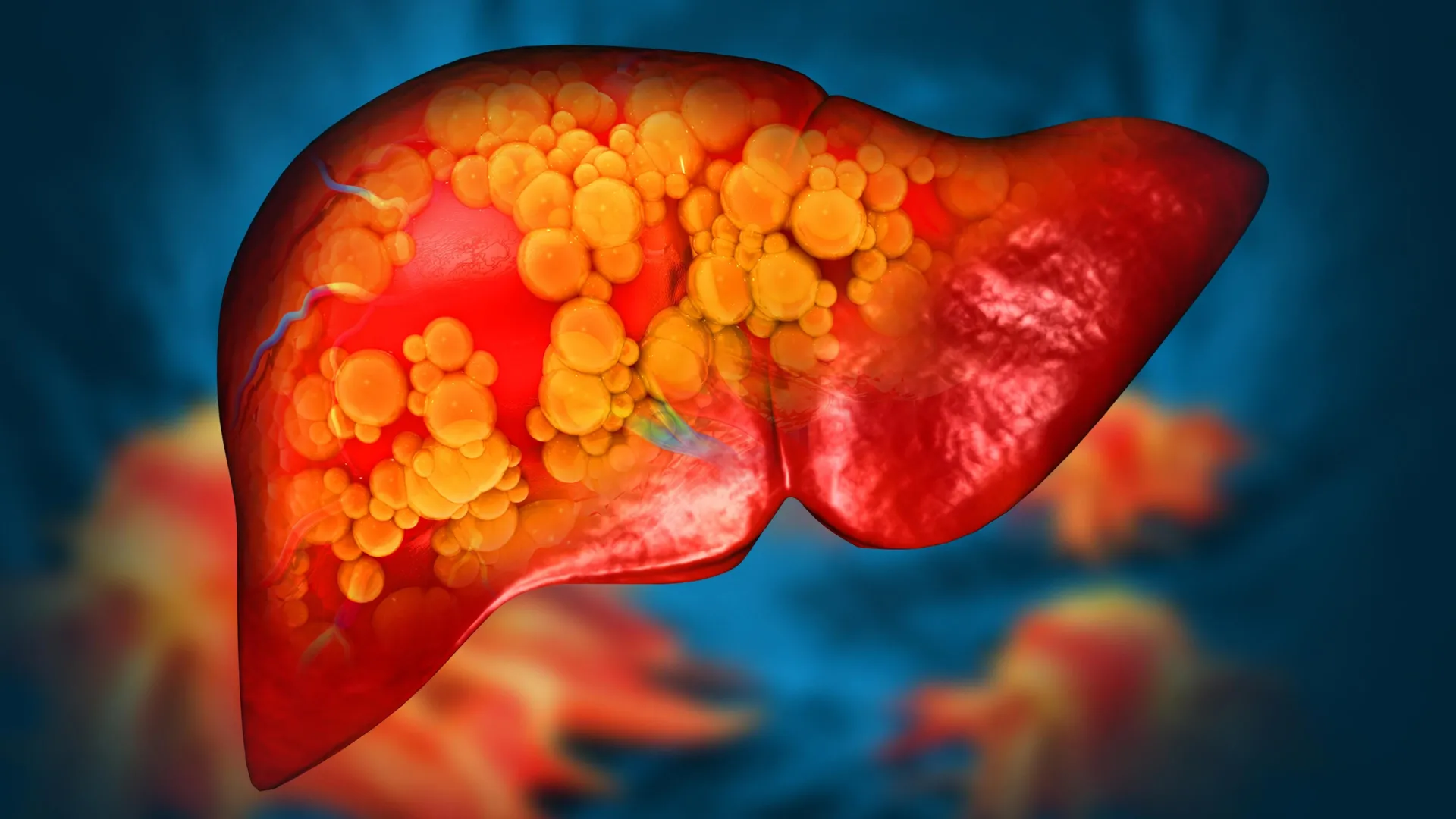
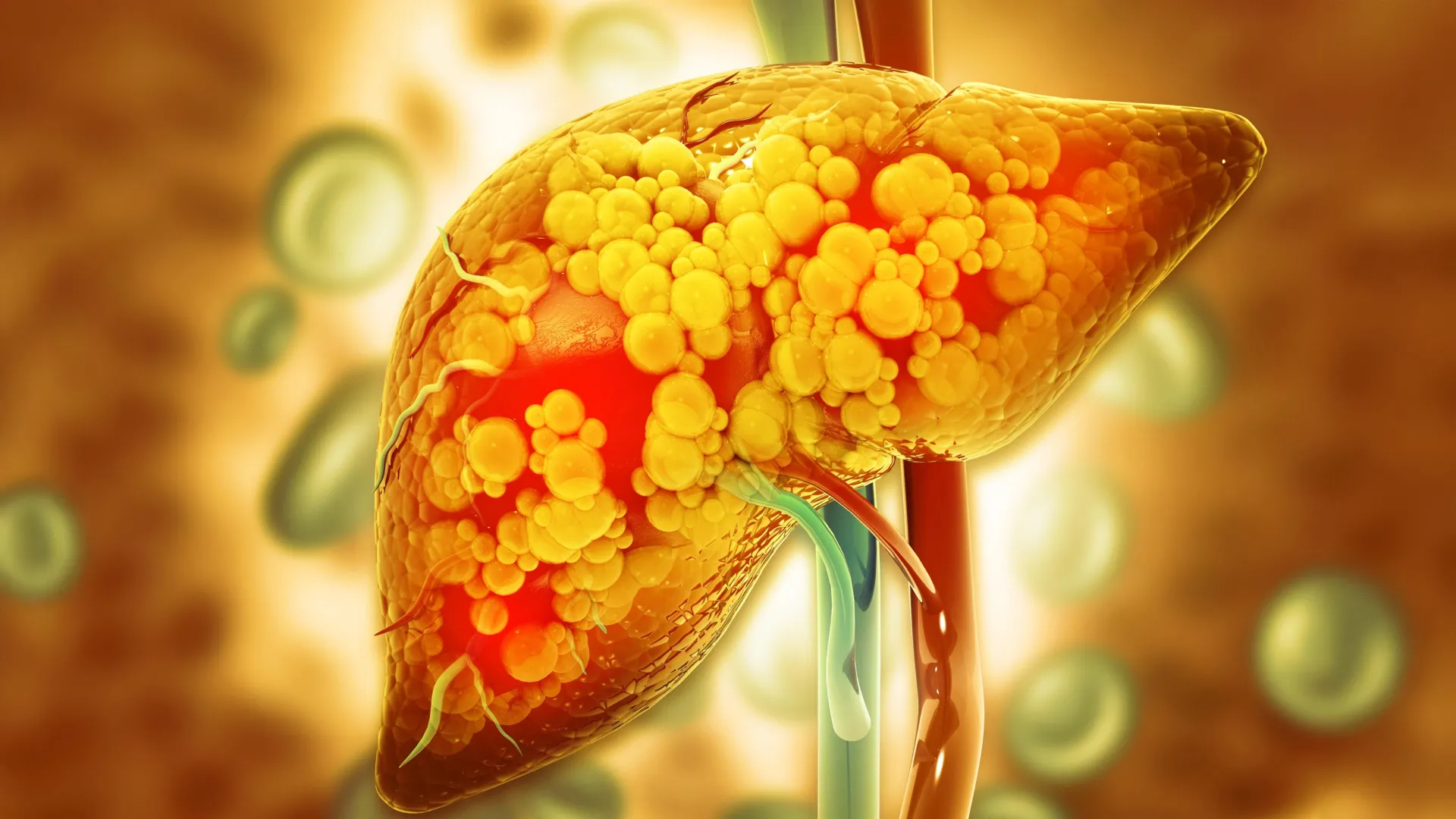
- Cedars-Sinai researchers identified the enzyme UBE2N as a natural defense against MASH, finding its levels decline in liver cells as fatty liver disease worsens, according to a preclinical study published in Nature Metabolism.
- UBE2N helps liver cells clear damaged mitochondria through p62-regulated mitophagy and supports fat breakdown, with its deficiency linked to PANoptosis and increased liver cell injury.
- Restoring UBE2N to normal levels in laboratory mice reduced fat accumulation, inflammation, and scarring, positioning the enzyme as a potential treatment target for blocking MASLD-to-MASH progression.
- MASLD affects an estimated 100 million Americans, with 20% to 25% of those patients progressing to MASH, the more severe form involving inflammation, cell injury, and scarring.
- Ekihiro Seki, MD, PhD, professor of Medicine and Biomedical Sciences at Cedars-Sinai and co-corresponding author, said the enzyme appears to protect the liver from MASH-related inflammation and damage.
- Current MASH treatment is limited to lifestyle changes and existing medications, with no cure available, leaving a large unmet need for therapies that prevent disease progression.
Why it matters: About 100 million Americans carry MASLD, and roughly 20-25% progress to the incurable MASH stage with no cure and limited treatment options. UBE2N gives drug developers a concrete molecular target to halt that progression rather than just manage symptoms. The preclinical finding defines a specific pathway — p62-regulated mitophagy — that hepatology researchers can now build therapies around.
Ask SkimNews