UK Records First Zero-Rain July in 190 Years — SkimNews

Get the Energy newsletter
Daily energy & climate — solar, EVs, oil, the policy fights and tech bets shaping the transition. Free.
- Met Office declared July 2026 "truly exceptional," with England and Wales enduring their driest July in 190 years; southern England averaged just 1.5mm of rain — 2% of the 1991-2020 average — while mean temperatures ran 3.2°C above normal.
- Kew Gardens recorded zero July rainfall for the first time since its Met Office weather station began keeping records in 1871.
- Heathrow Airport logged 42 consecutive days without rain and counting, a new record for the site since monitoring began in 1948.
- At least 20 Met Office weather stations across southern England and Wales — spanning Lincolnshire, Dorset, Kent, Greater London, Essex, Monmouthshire, Surrey, the Isle of Wight, East Sussex, Hereford & Worcester, and Hampshire — saw zero July rainfall for the first time in their histories.
- Stephen Burt at the University of Reading confirmed parts of the Reading area had no measurable rainfall all month, the only time that has happened since continuous local records began in 1858.
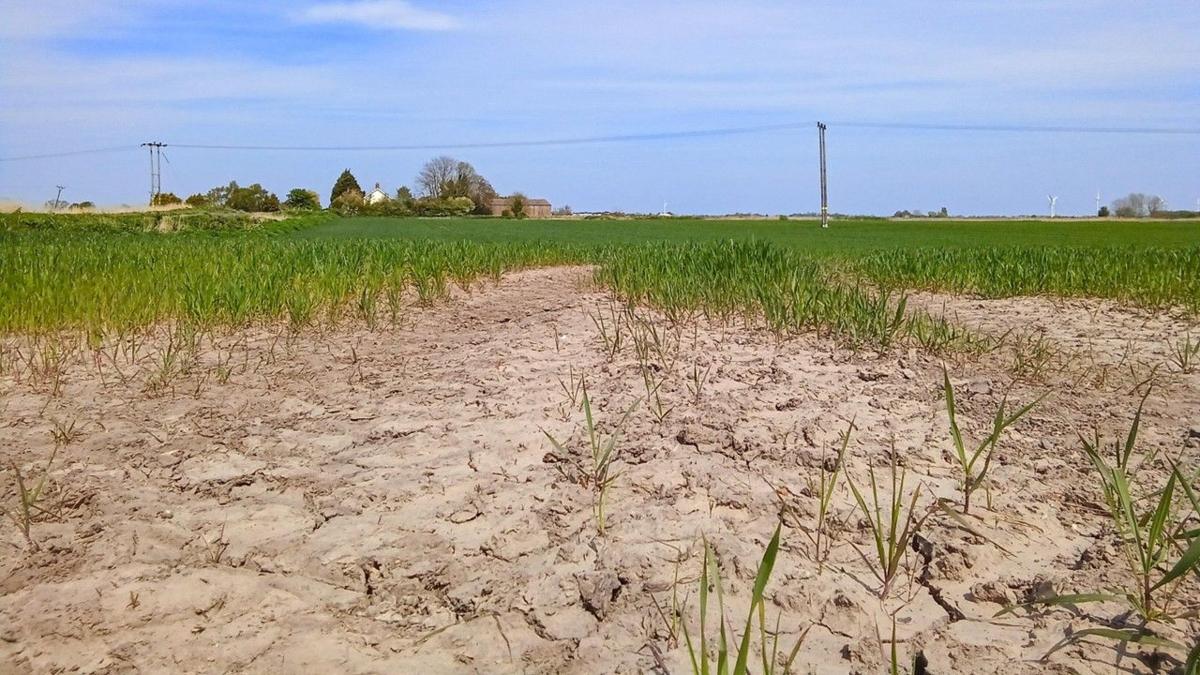
- More than half of England and all of Wales are now officially in drought, with parched landscapes turning yellow, wildfires burning, and farmers warning of looming crop shortages.
- Jeff Da Costa at the University of Reading warned that when rain finally arrives, sun-baked and crusted soils create a "really substantial" risk of severe flash flooding — "the greatest hazard of them all."
Why it matters: Zero-rainfall months at 20-plus long-running stations — some with records stretching back 170 years — marks a structural climate threshold, not a passing anomaly. With over half of England and all of Wales officially in drought and reservoir capacity stressed, the first significant rainfall could itself become the most dangerous event, as flash floods hit soils too hardened to absorb water and the same farmers already facing crop losses brace for further damage.
Ask SkimNews