Trump's Iran War: Five Months, No Regime Change — SkimNews

Get the Geopolitics newsletter
Daily geopolitics — wars, elections, sanctions, the diplomatic moves that move markets. Free.
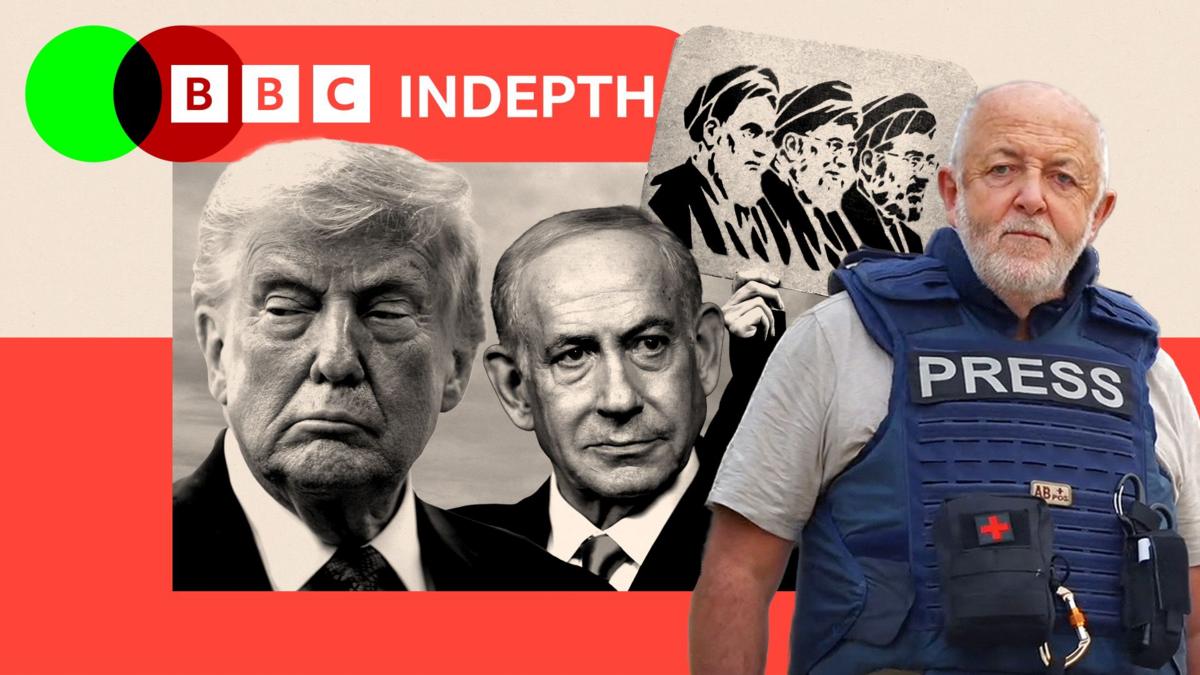
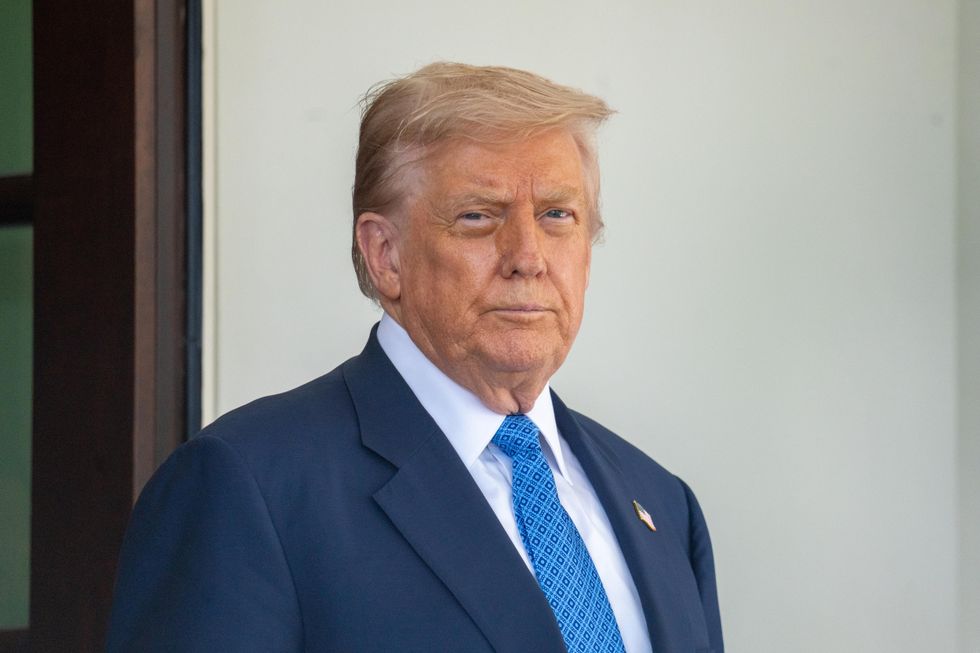
- Donald Trump told Iranians on February 28, 2026, to "take over your government" after the U.S. and Israel assassinated Supreme Leader Ayatollah Ali Khamenei and launched a war against Iran.
- The war Trump predicted would last weeks or days has now run more than five months, with the Islamic Republic not only surviving but consolidating its position at home and in the region.
- Trump has alternated between strikes, ceasefires, talks, threats, ultimatums, renewed strikes, and U-turns while seeking a face-saving exit from an unresolved conflict.
- The U.S. and Israel launched the war with four objectives: destroy Iran's nuclear programme, dismantle its missile capabilities and military industrial base, end Tehran's support for its non-state quartet (Hamas, Houthis, Hezbollah, and Hashad), and bring about regime change.
- The first three objectives were inseparable from the fourth — without toppling the Islamic Republic, achieving any of the other goals appeared impossible even before the war began.
- The article argues that with objectives unmet and a "resolute yet risk-tolerant Tehran" refusing to fold, Trump has found himself in a "strategic cul-de-sac."
Why it matters: The analysis identifies regime change as the linchpin on which all four U.S. war objectives depend — meaning that with Iran surviving and consolidating after five months, the goals of destroying its nuclear programme, dismantling its missile base, and cutting support for Hamas, Houthis, Hezbollah, and Hashad all appear unattainable, leaving Trump with no clear path to a face-saving exit.
Ask SkimNews