Scientists Find Hidden Eye Drainage Pathway in Mice — SkimNews

Get the Health newsletter
Daily health & science — research, biotech, public health, the studies worth knowing. Free.
- UBC and University of Toronto researchers identified a previously unknown drainage route called the posterior ocular lymphatic outflow (POLO) pathway, which carries fluid and metabolic waste from the back of the eye into the body's lymphatic system in mice.
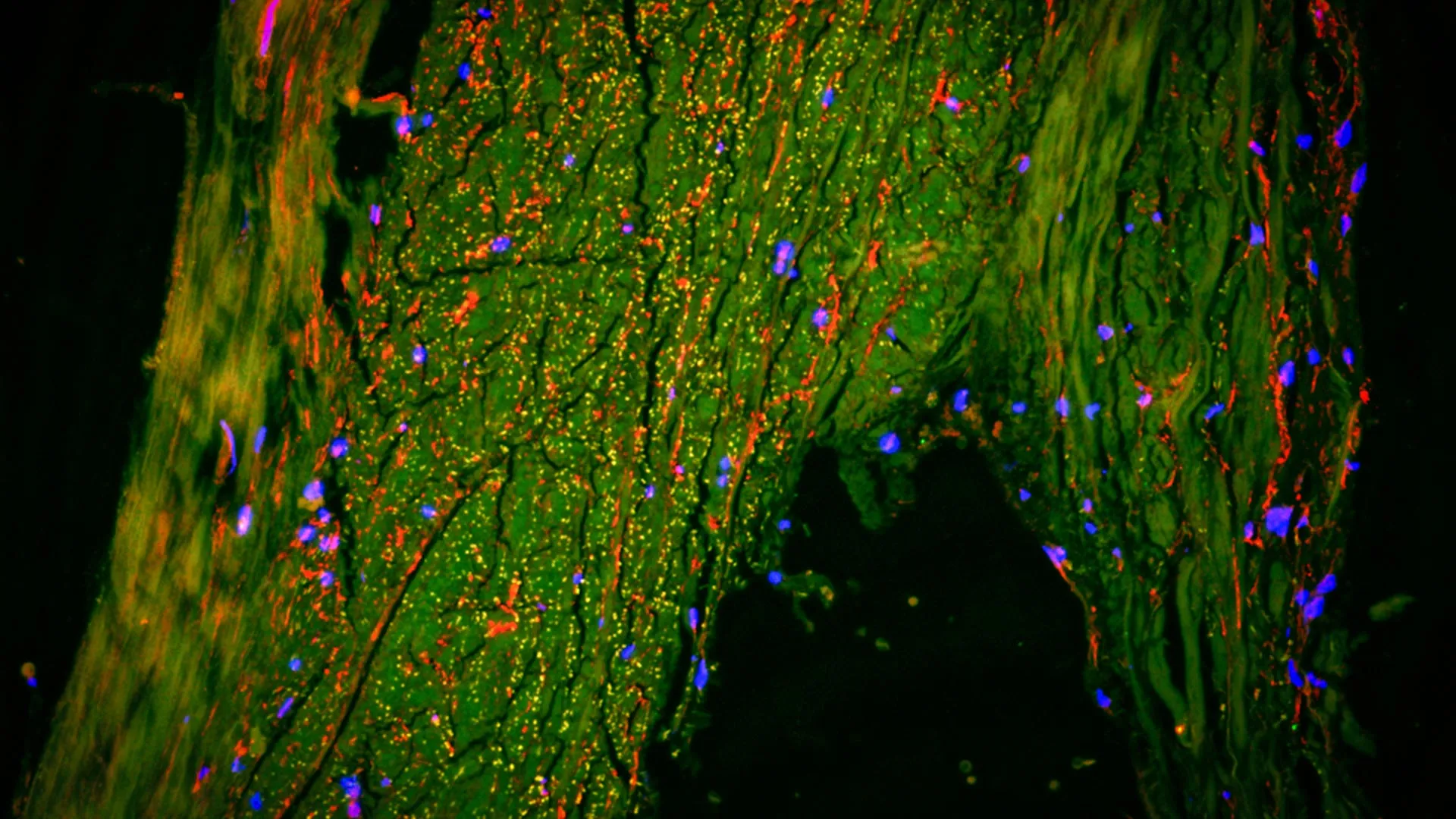
- The team found tiny lymphatic vessels in the choroid — a blood vessel-rich layer beneath the retina — using MRI, near-infrared fluorescence imaging, and microscopy; fluorescent tracers placed in the rear of the eye reached nearby lymph nodes within minutes.
- The finding, led by Dr. Neeru Gupta of UBC's department of ophthalmology and visual sciences and Dr. Yeni Yücel of the University of Toronto, challenges over 100 years of scientific consensus that the eye lacks lymphatic drainage and builds on the pair's 2009 discovery of a related pathway in the front of the eye.
- The discovery could provide a new target for treating glaucoma and age-related macular degeneration — conditions associated with fluid and waste buildup that affect approximately 2.5 million Canadians and are among the leading causes of permanent blindness.
- The results were published in the journal Translational Vision Science & Technology, with funding from the Canadian Institutes of Health Research, Glaucoma Research Society of Canada, the Canadian Space Agency, and several university research chairs.
- Researchers noted that further studies are required to confirm the POLO pathway functions in humans and to determine whether the drainage system can be safely modified or harnessed to deliver drugs deep into the eye.
Why it matters: For more than a century, ophthalmology has treated the eye as a closed system with no lymphatic drainage, which left doctors unable to fully explain how the retina clears metabolic waste. The POLO pathway gives researchers a new anatomical map and drug-delivery target for conditions like macular degeneration, which already affects approximately 2.5 million Canadians and remains a leading cause of irreversible blindness.
Ask SkimNews