Monthly binge drinking triples liver scarring risk: USC study — SkimNews
Get the Health newsletter
Daily health & science — research, biotech, public health, the studies worth knowing. Free.
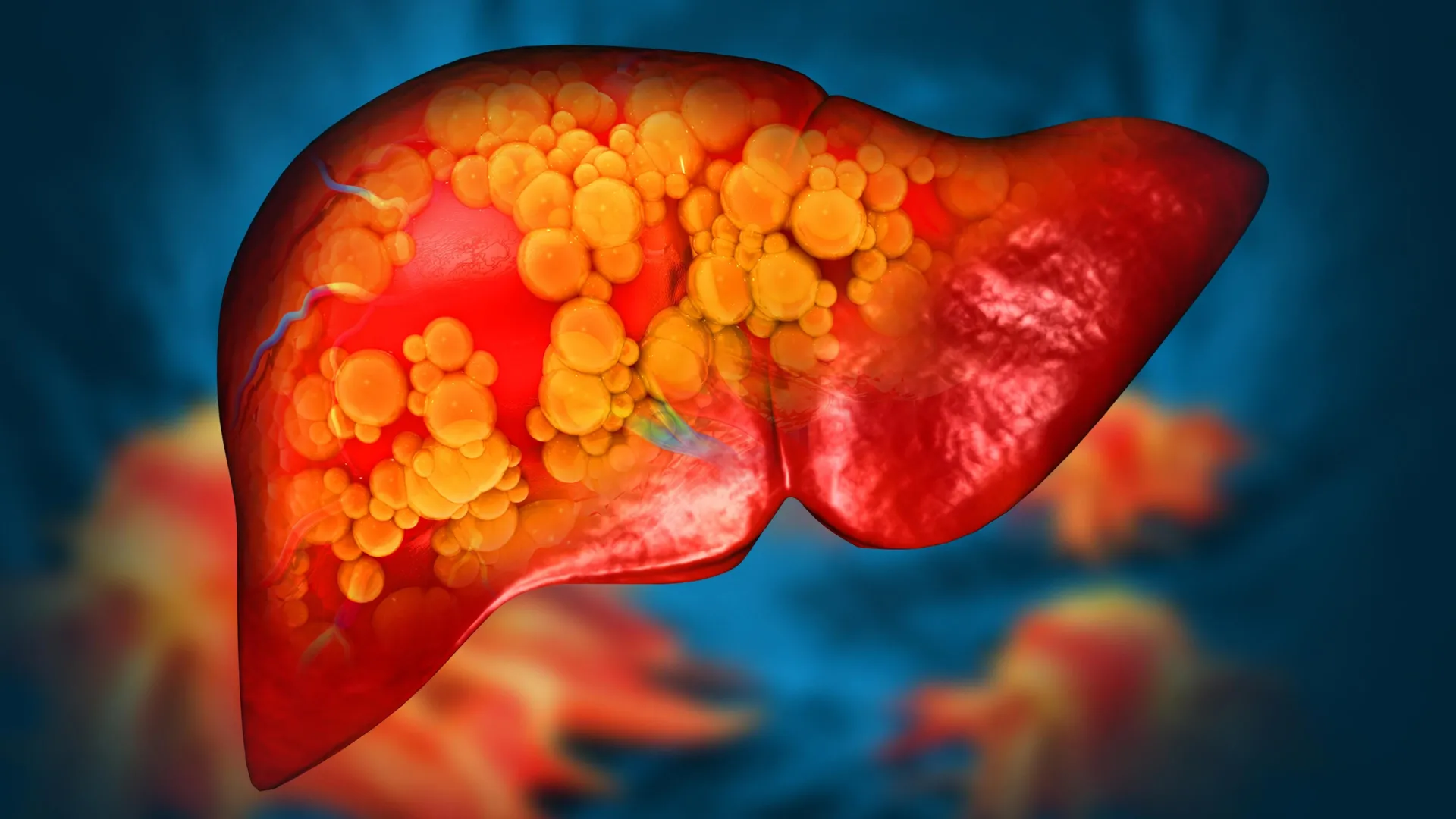
- Keck Medicine of USC researchers found that adults with MASLD who consume four or more drinks in a single day (women) or five or more (men) at least monthly are nearly three times more likely to develop advanced liver fibrosis than those drinking the same total amount spread out over time.
- MASLD affects roughly one in three U.S. adults and is tied to excess weight, obesity, Type 2 diabetes, high blood pressure and high cholesterol, with the study noting the condition is on the rise.
- Principal investigator Brian P. Lee, MD called the findings a "huge wake-up call," arguing that physicians have traditionally assessed liver risk by total alcohol consumed rather than drinking pattern.
- National Health and Nutrition Examination Survey data from more than 8,000 adults collected between 2017 and 2023 showed more than half of participants reported episodic heavy drinking, and nearly 16% of MASLD patients qualified as episodic heavy drinkers.
- Younger adults and men were more likely to report episodic heavy drinking, and the number of drinks consumed in a single sitting correlated with the degree of liver fibrosis observed.
- Lee noted that alcohol-related liver disease has more than doubled in the last two decades, attributing the trend partly to pandemic-era surges in drinking and rising rates of obesity and diabetes.
- The study was published in Clinical Gastroenterology and Hepatology and supported by National Institute on Alcohol Abuse and Alcoholism grant K23AA029752.
Why it matters: For the one in three American adults living with MASLD, the study reframes a routine weekend habit as a clinically significant risk factor: drinking pattern—not just total volume—roughly triples the odds of advanced liver fibrosis. With more than half of U.S. adults reporting some episodic heavy drinking, hepatologist Brian Lee's findings push clinicians to rethink how they screen patients who consider themselves moderate drinkers.
Ask SkimNews