Vitamin B3 trial: 82% progression-free in glioblastoma — SkimNews
Get the Health newsletter
Daily health & science — research, biotech, public health, the studies worth knowing. Free.
- University of Calgary researchers are testing high-dose niacin (vitamin B3) alongside standard chemotherapy and radiotherapy in a combined Phase I and Phase II glioblastoma trial.
- 24 patients in the early cohort showed 82% remained progression-free at six months — a 28% increase over previous studies, surpassing the 20% threshold set to continue the trial.
- The trial is led by Gloria Roldan Urgoiti, MD, an oncologist specializing in brain cancers, alongside neuroscientist Wee Yong; the approach stems from Yong's mouse studies showing niacin extended survival.
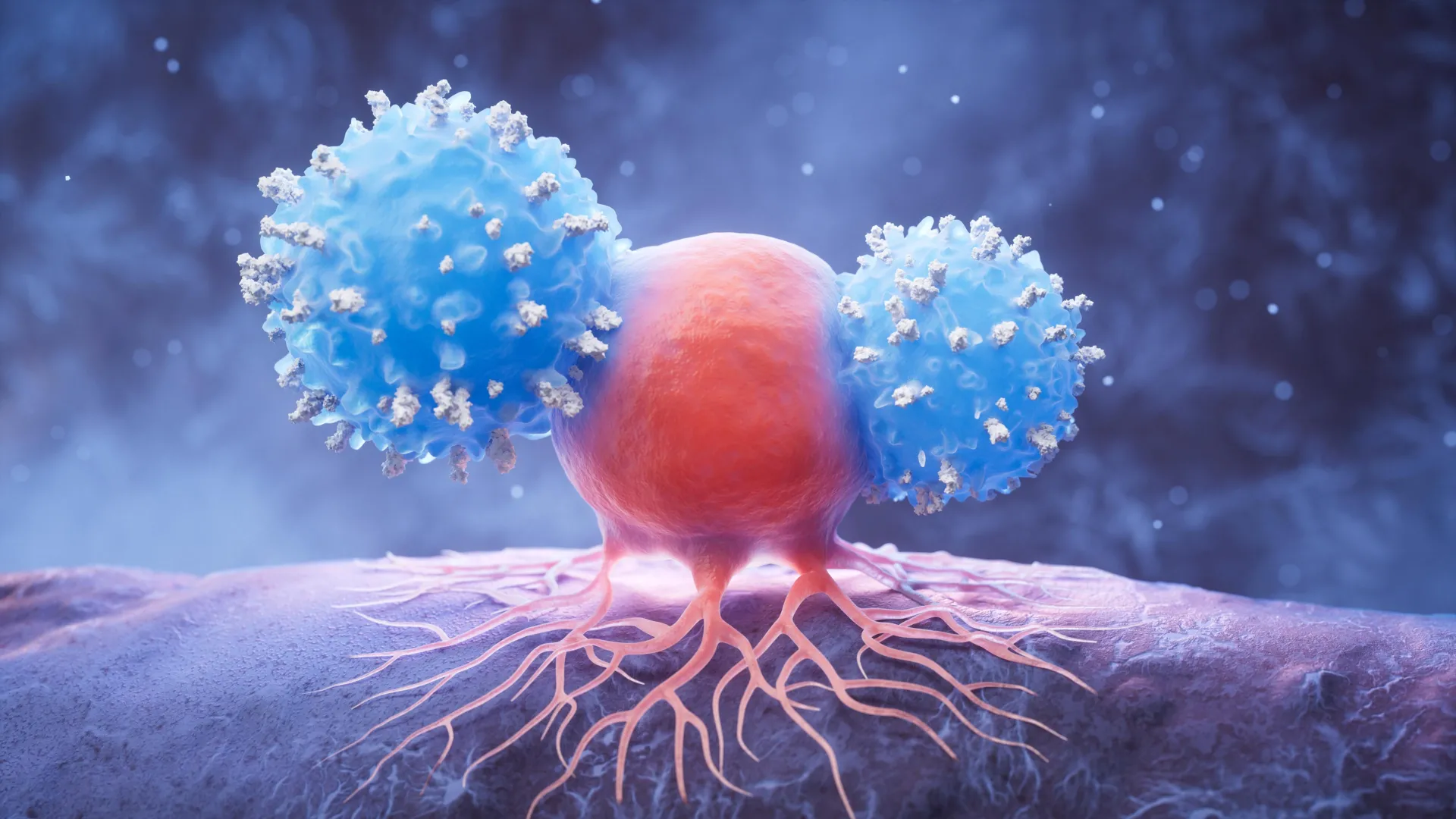
- Niacin is thought to work by 'rejuvenating' immune cells that glioblastoma suppresses, enabling them to attack and kill cancer cells in what Yong calls an ongoing 'battle for the brain.'
- The Phase I/II trial plans to enroll 48 participants total, with final analysis expected by the end of 2026 or early 2027.
- Despite being a widely available vitamin, the high doses used in the trial are not harmless — researchers warn large amounts can be toxic and require strict medical supervision.
- Glioblastoma survival has not significantly changed in 20 years, according to Roldan Urgoiti; the findings were published in the Journal of Neuro-Oncology.
Why it matters: For the 24 patients enrolled so far, the 82% progression-free rate at six months offers a concrete data point in a cancer where survival hasn't changed in 20 years. The sample remains small, the trial is still enrolling toward 48 participants, and high-dose niacin toxicity means self-supplementation outside medical supervision carries real risk.
Ask SkimNews