Musk blames Tesla Robotaxi halts via grey kittens on grey tarmac — SkimNews
Get the Tech newsletter
Daily tech — startups, AI labs, chips, the launches that shape the next decade. Free.
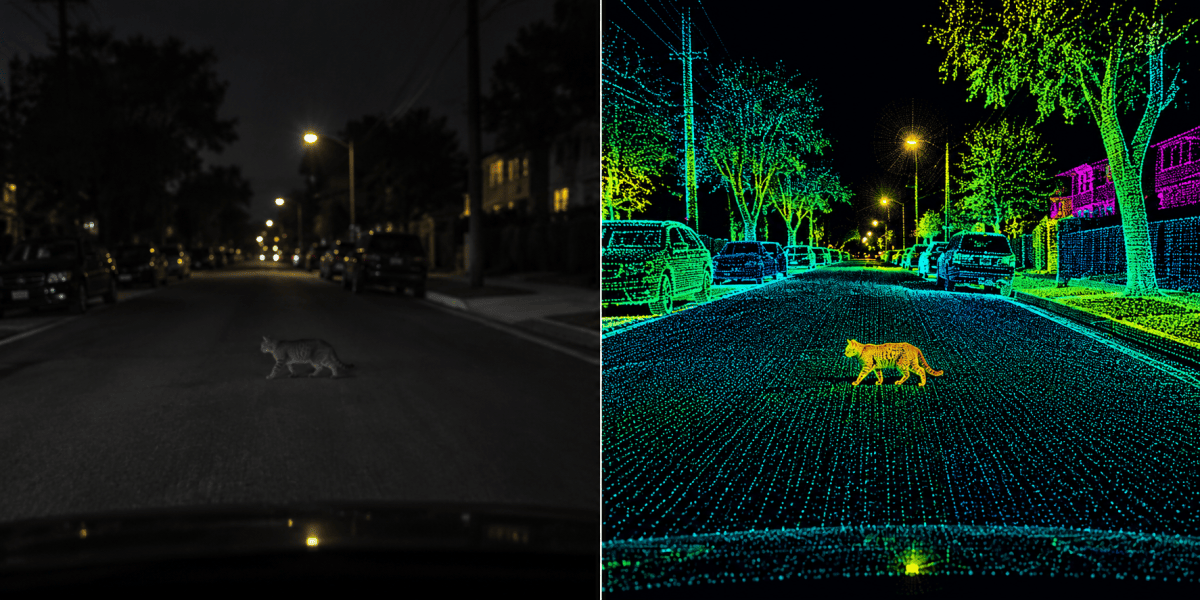
- Elon Musk blamed night-hour limits on Tesla Robotaxi's cameras struggling to detect low-contrast objects, citing "grey kittens on grey tarmac" as the obstacle between 10 PM and midnight.
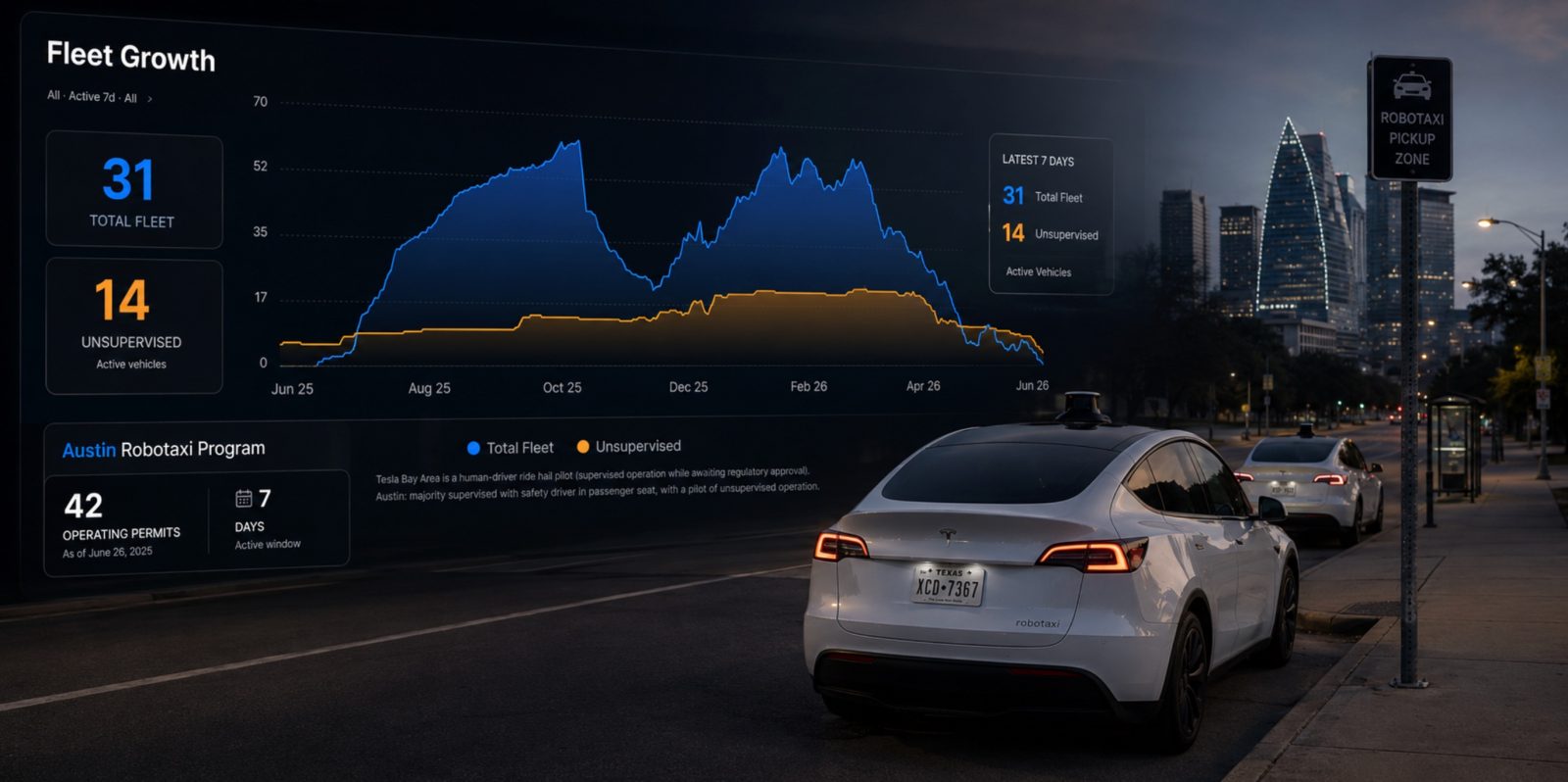
- Tesla Robotaxi extended Austin operating hours to 11 PM, yet still closes an hour earlier than its June 2025 launch schedule of 6 AM to midnight; the service remains tiny with no broad shutdown.
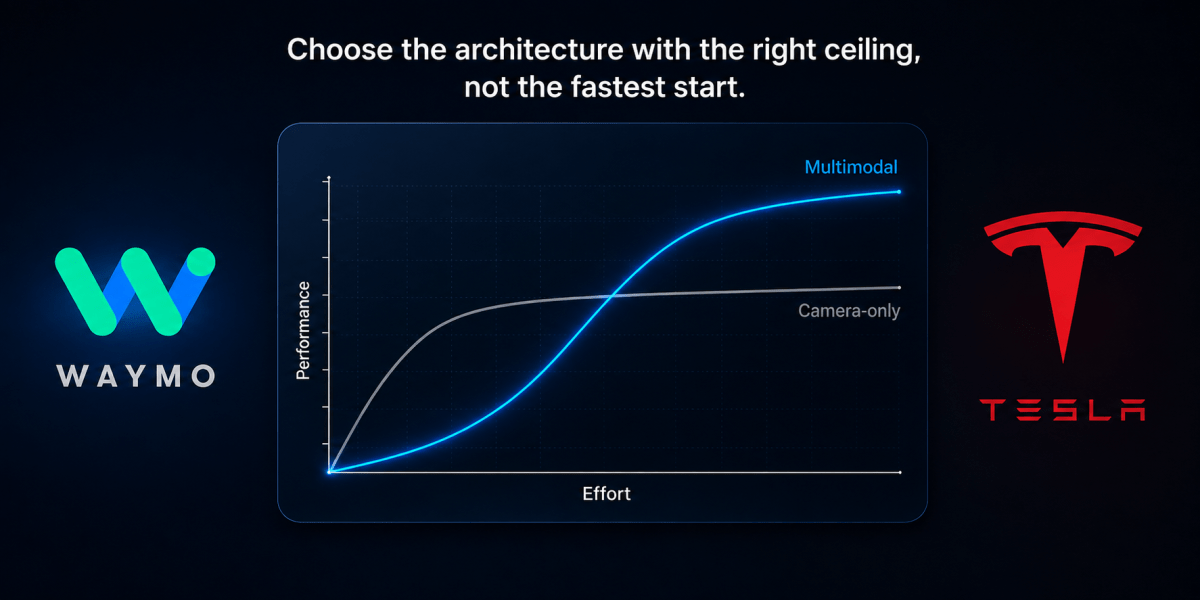
- Tesla removed radar in May 2021, dropped ultrasonic sensors in 2022, and has never shipped lidar, while Waymo's sixth-generation system runs 13 cameras, 4 lidars, and 6 radars across about 4,000 vehicles operating 24 hours.
- Musk previously called lidar "a fool's errand" in April 2019 and "a seductive local maximum" in February 2022, then claimed in August 2025 that "lidar and radar reduce safety" — a stance the article directly contradicts with his new night-vision problem statement.
- NHTSA is investigating 3.2 million Teslas over FSD crashes in low-visibility conditions and has requested an internal Tesla document titled "Radar Saves Us."
- Rivian said this week that lidar now costs it "a few hundred dollars" per vehicle, undercutting the long-standing cost argument against adding the sensor.
- Tesla already operates Robotaxis in Austin darkness every night (sunset is shortly after 7 PM), and consumer Teslas run FSD on the same cameras with no nighttime curfew — a contradiction the Electrek piece highlights.
Why it matters: Tesla's Robotaxi closure time has now shrunk an hour from launch while running on hardware NHTSA is actively probing in low-visibility crashes — and Musk is publicly identifying camera-only night vision as the bottleneck he once dismissed as a "fool's errand" when others used lidar to solve it.
Ask SkimNews