Iran’s Hormuz toll regime to punish weakened Trump’s Asian allies — SkimNews

Get the Geopolitics newsletter
Daily geopolitics — wars, elections, sanctions, the diplomatic moves that move markets. Free.
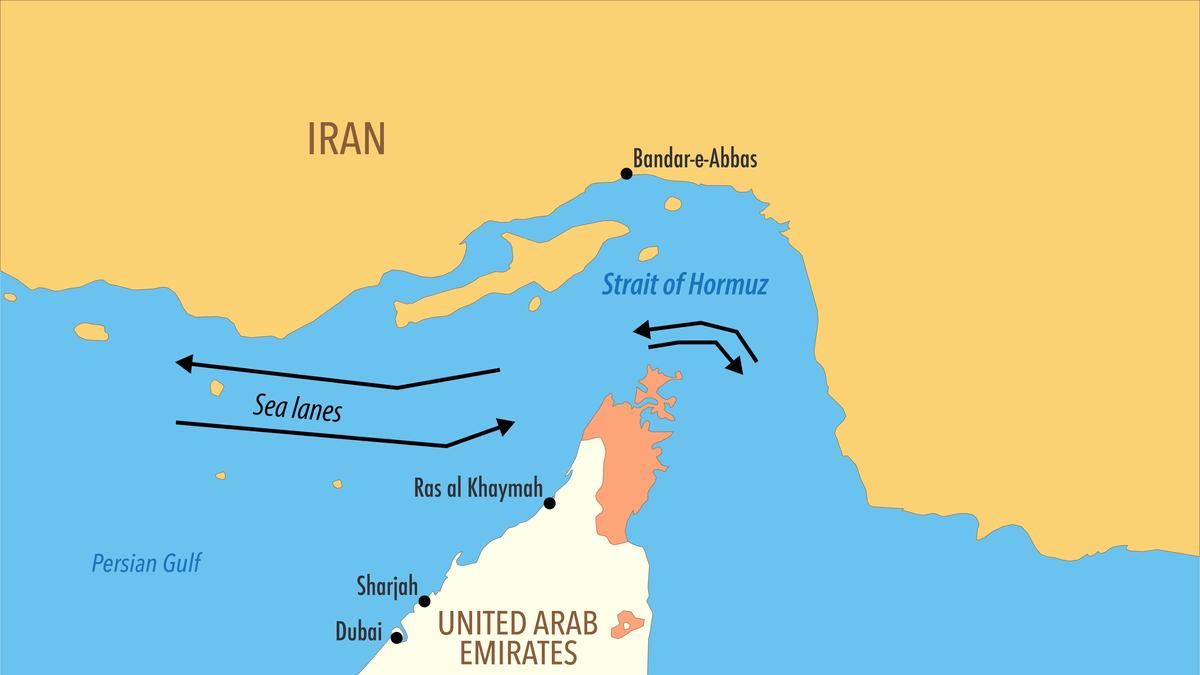
- On November 3, Amir Hayat Moqaddam said vessels from India, China, Iraq and Qatar were exempt from Iran's Hormuz transit restrictions, would “pass freely” and would not be intercepted by Americans; his parliamentary remarks were not a formal decree.
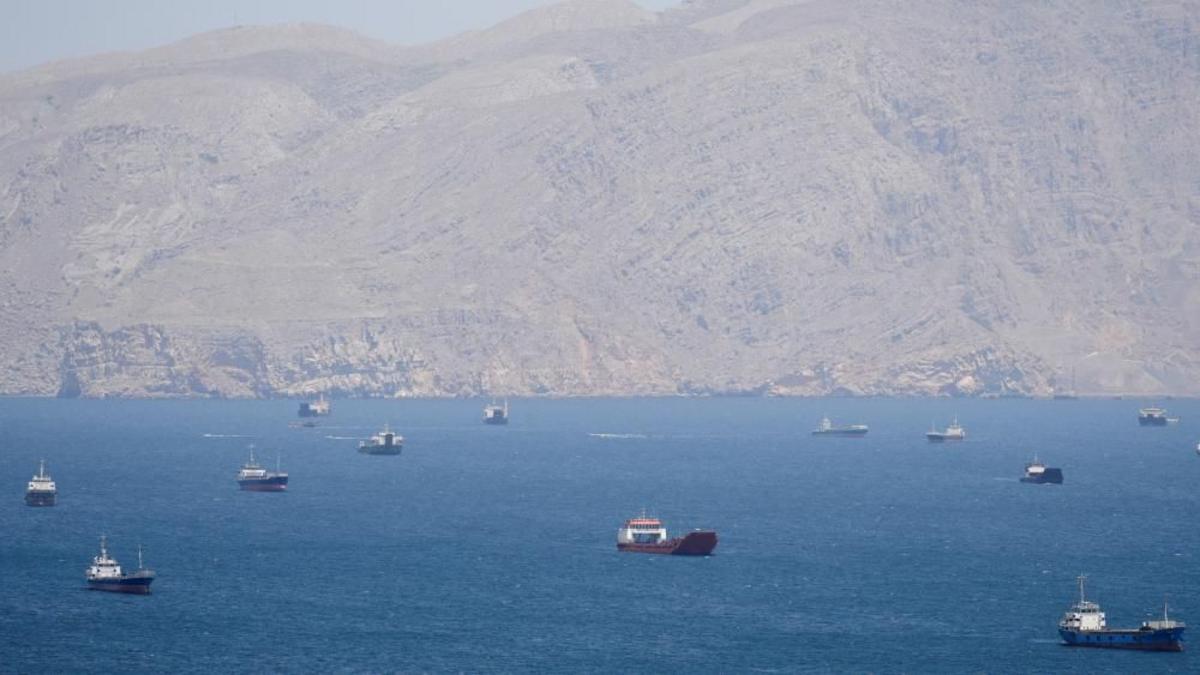
- Iran has required transit permits only upon payment since May, with ships reportedly paying up to US$2 million per transit in Chinese yuan; Indian and Chinese vessels pay while Qatari vessels cross free, and Washington, Gulf states and European governments reject the charges as unlawful.
- China was on course to exceed 5 million barrels per day of imports from the wider Gulf in October; the exemption mattered after discounted Iranian oil afloat outside the U.S. blockade line fell to zero by mid-October.
- India confirmed on November 3 that 23 Indian nationals, including 15 seafarers, had died in the conflict; Tehran subsequently reaffirmed India's exemption, and New Delhi can justify paying for passage as crisis management.
- Japan released national reserves equal to about one month of supply in March and another 20 days' worth from May, while its crude imports from Saudi Arabia fell 41.2% between April and July.
- South Korea secured priority access to 200 million barrels of Saudi crude from June through year-end and contracted October and November supplies at last year's monthly average, despite remaining outside Iran's exemption list.
- Qatar and Pakistan are working to narrow the gap over sequencing and sanctions relief: Abbas Araghchi proposed a two-day plan with U.S. measures first and Iran restoring navigation second, but Mohsen Rezaei said Washington's response to Iran's seven reopening conditions, including sanctions relief, was “not convincing.”
Why it matters: Japan and South Korea bear the sharper burden: Japan's Saudi crude imports fell 41.2% from April to July, versus 21% for South Korea, while both remain outside Iran's exemption list. They rely on reserves, rerouting and case-by-case bargaining even as China, India and Qatar receive exemptions.
Ask SkimNews