Takaichi-Trump Summit Wins Praise, Sidelines Hard Issues — SkimNews

Get the Geopolitics newsletter
Daily geopolitics — wars, elections, sanctions, the diplomatic moves that move markets. Free.
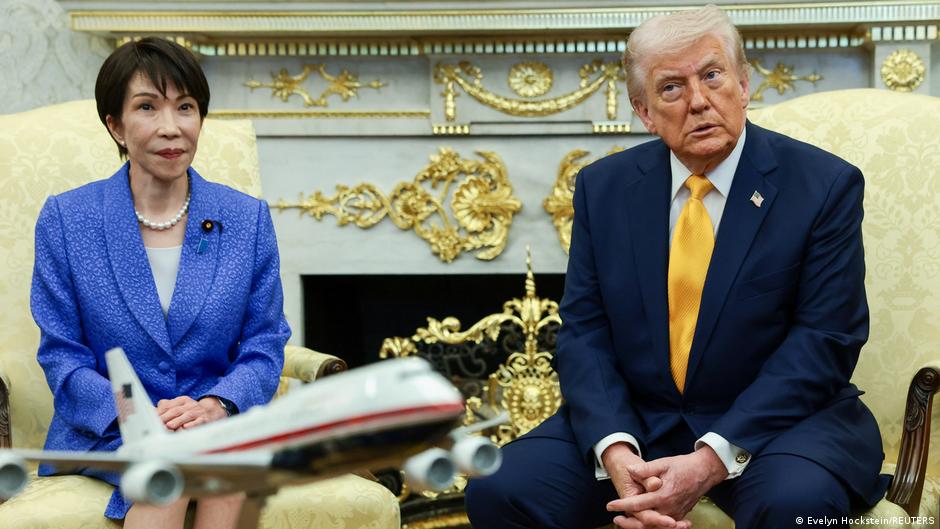
- Takaichi met Trump on March 20 in what was effectively the only political story of the day, as Japan observed Vernal Equinox Day; the government felt she avoided the worst-case scenario after Trump demanded Japanese contributions to opening the Strait of Hormuz
- Takaichi had hoped for an expansive China-focused summit, but the agenda narrowed to the Hormuz crisis; Trump repeatedly praised her landslide electoral victory, reinforcing her "winner" image
- Domestic reactions split along familiar lines: DPFP's Yuichiro Tamaki and CRA's Junya Ogawa called it positive and well-managed, while JCP's Tomoko Tamura accused Takaichi of sycophantically praising "the very person responsible for bringing war and chaos into the world"
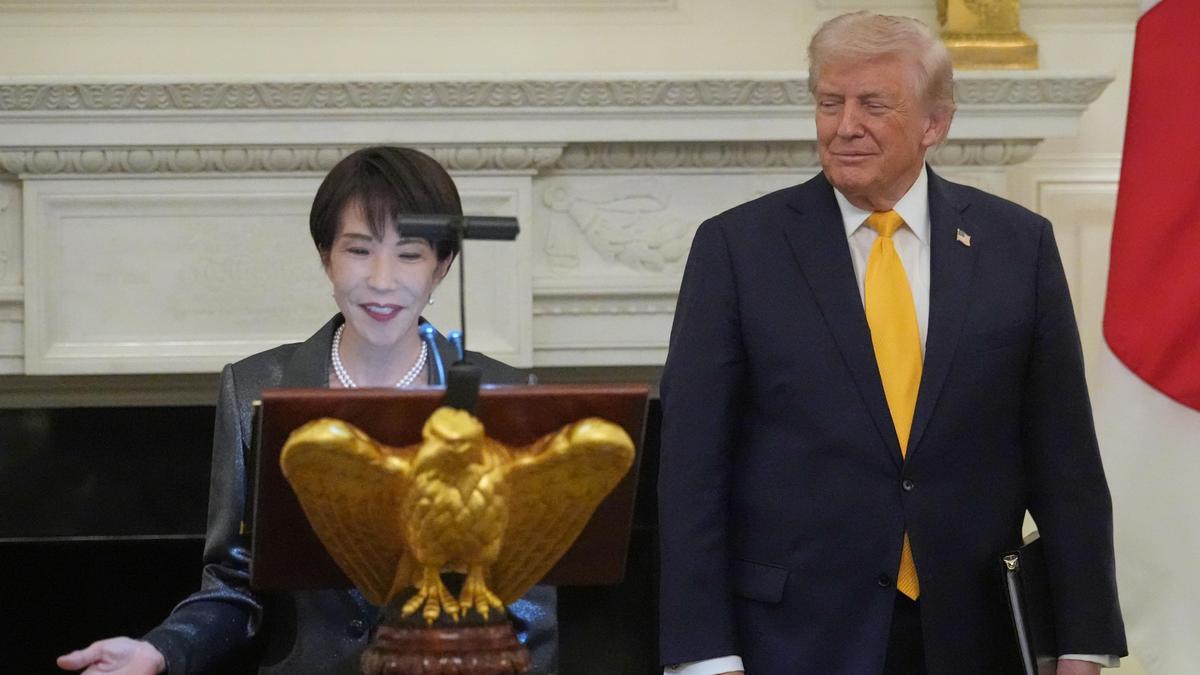
- The White House dinner featured X Japan's "Rusty Nail" and drew CEOs from Google, IBM, Micron, Qualcomm, Palantir, Lockheed Martin, Morgan Stanley, Blackrock, Boeing, and Booz Allen Hamilton, with Softbank's Masayoshi Son—a central figure in bilateral investment talks not entirely welcomed in Tokyo—also in attendance
- Announced investment projects—small modular reactors in Tennessee and Alabama, gas-fired power plants in Pennsylvania and Texas—are concentrated in battleground or Republican states relevant to November's midterms, raising questions in Japan about the benefits and timeline
- Tariff negotiations went unmentioned in both the public session and summit documents, despite Japan seeking to lock in last year's agreed levels after the Supreme Court nullified IEEPA tariffs and the administration shifted to Section 122 authority
- Structural concerns remain salient: US security commitment to East Asia as resources shift toward the Middle East, upcoming special measures agreement talks on host-nation support, and Japan's planned update to core national security documents
Why it matters: The summit's warm optics paper over the fact that Japanese investment projects are landing in Trump's electoral map—not Japan's strategic interests—and the biggest unresolved items (tariff levels, host-nation support costs, US regional security commitments) were entirely sidelined. Takaichi bought short-term goodwill with flattery diplomacy, but Japan's core anxiety—keeping the US committed to Asia while it pivots to the Middle East—remains unaddressed.
Ask SkimNews