Smallpox DNA in Inca Mummies Confirms European Origin — SkimNews

Get the Health newsletter
Daily health & science — research, biotech, public health, the studies worth knowing. Free.
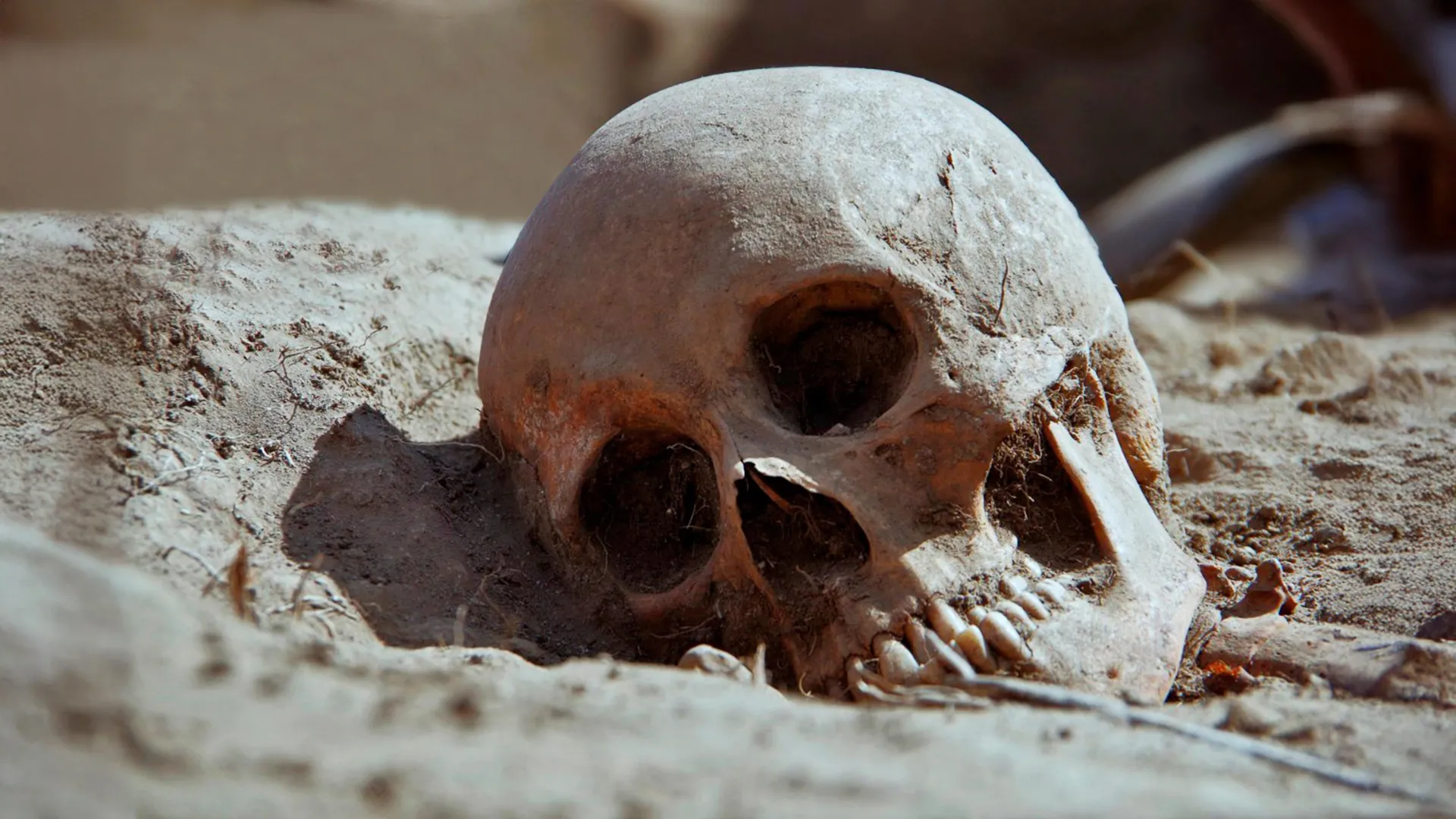
- Shigeki Nakagome at Trinity College Dublin and colleagues identified smallpox virus fragments in bone samples from two of the 41 mummies excavated at the Camarones 9 site in northern Chile, originally discovered in 1957.
- The male mummy was carbon-dated to between 1492 and 1631, bracketing the period of early European colonization; the female mummy was 30–35 years old at death, and the second victim was 18–20.
- Genome reconstruction placed both viral samples within a lineage that includes early medieval and early modern European smallpox strains, matching Nakagome's claim of the first direct molecular evidence of the virus's transatlantic route.
- Small skin lesions on the mummies' trunks, previously attributed to chronic arsenic exposure, may actually be smallpox pustules, raising the possibility that arsenic-poisoning diagnoses could be revisited.
- Matthew Ward at the University of Dundee, who was not involved in the study, said epidemic disease killed roughly 95% of the Indigenous population of the Americas and was what enabled European colonization.
- Team member Constanza de la Fuente Castro at the University of Chile called the find ethically sensitive because of the disturbance of remains and material loss during analysis, stressing that 'behind every DNA extraction is a person, not a data point.'
- The study is published in Science (DOI: 10.1126/science.aee6957) and gives historians a pathogen-level anchor for outbreaks previously known only from written accounts.
Why it matters: It converts a centuries-old historical narrative into molecular certainty, giving researchers the earliest genome-level proof that European colonizers carried smallpox into South America. With the Indigenous population estimated to have collapsed by up to 95%, the finding reframes the demographic catastrophe as a documented microbial invasion rather than inference from chronicles.
Ask SkimNews