CT Solar Bill Extends Incentives, Exempts Batteries — SkimNews

Get the Energy newsletter
Daily energy & climate — solar, EVs, oil, the policy fights and tech bets shaping the transition. Free.
- CT House Bill 5340 passed both chambers of the Connecticut legislature, extending the Residential Renewable Energy Solutions (RRES) program and related community solar incentives through the end of 2035; it now awaits Governor Ned Lamont's signature.
- State Rep. Jamie Foster, a co-sponsor, said the bill "modernizes Connecticut's renewable programs so clean energy can continue lowering bills, improving system reliability, and expanding consumer protection."
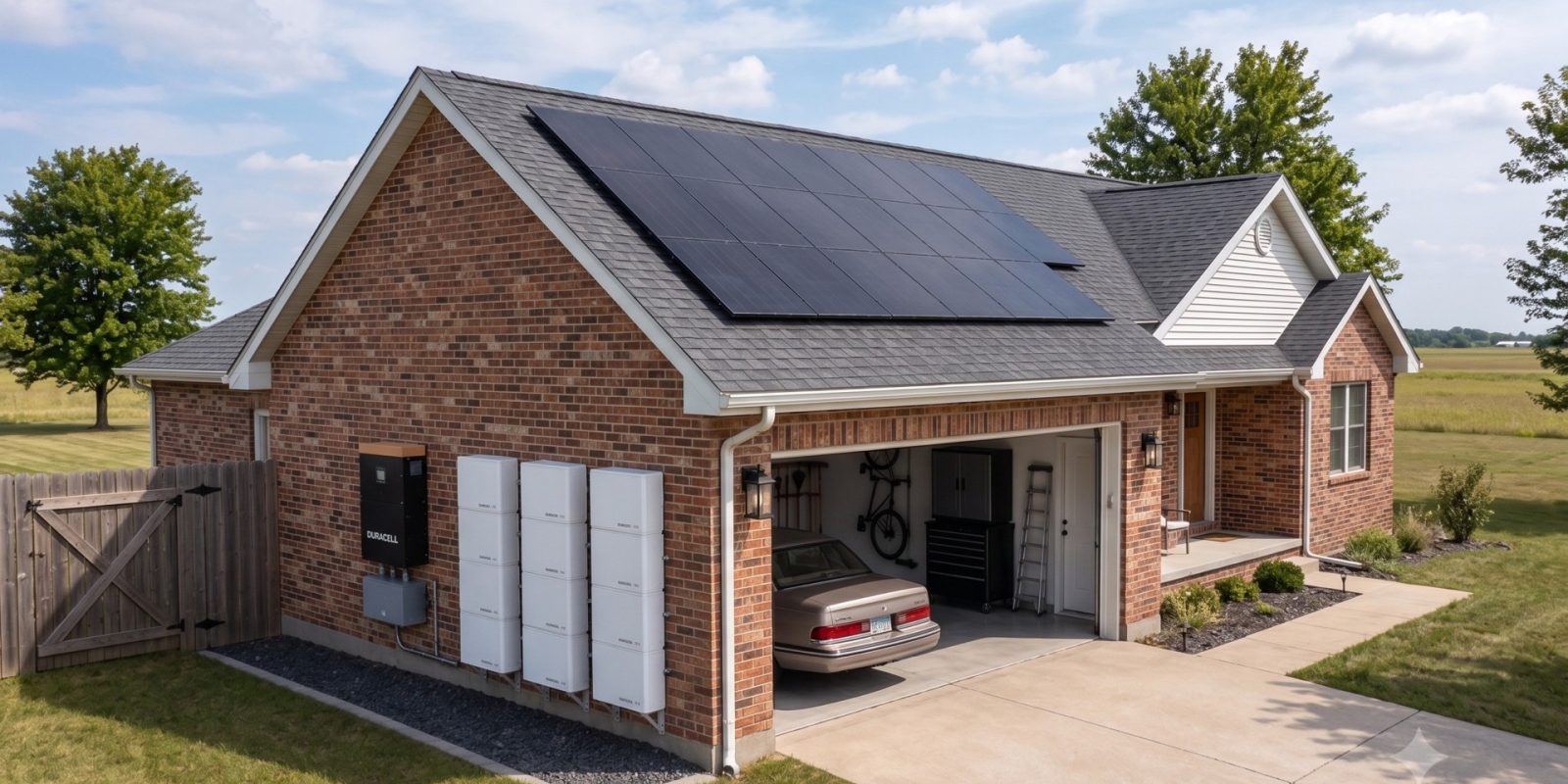
- Beginning in 2028, the RRES program will cap incentive spending and annual procurement volumes for standalone rooftop solar, but solar-plus-battery systems are explicitly exempt from those limits.
- A proposed amendment set battery safety standards so restrictive that no products are certified to meet them, and Sunrun lobbyist Kyle Wallace warned the rule would, as of January 1, 2027, eliminate the ability to install residential batteries in Connecticut.
- The "poison pill" amendment failed to gain enough support, and the bill survived a threatened Republican filibuster designed to run out the clock on a Democratic priority.
Why it matters: Homeowners who pair batteries with rooftop solar gain a structural advantage starting in 2028: their systems are exempt from the RRES incentive-spending and procurement caps that will limit standalone solar. Connecticut installers and homeowners get decade-long program certainty through 2035, while the defeated amendment shows how close the state's home battery market came to being effectively shut out entirely.
Ask SkimNews