Aalto Laser Heat Therapy Targets Early Dry AMD — SkimNews
SkimNews Take
Targeted, gentle heating of retinal tissue may prevent the formation of drusen, the protein deposits characteristic of early macular degeneration, by improving local metabolic waste removal.
Get the Health newsletter
Daily health & science — research, biotech, public health, the studies worth knowing. Free.
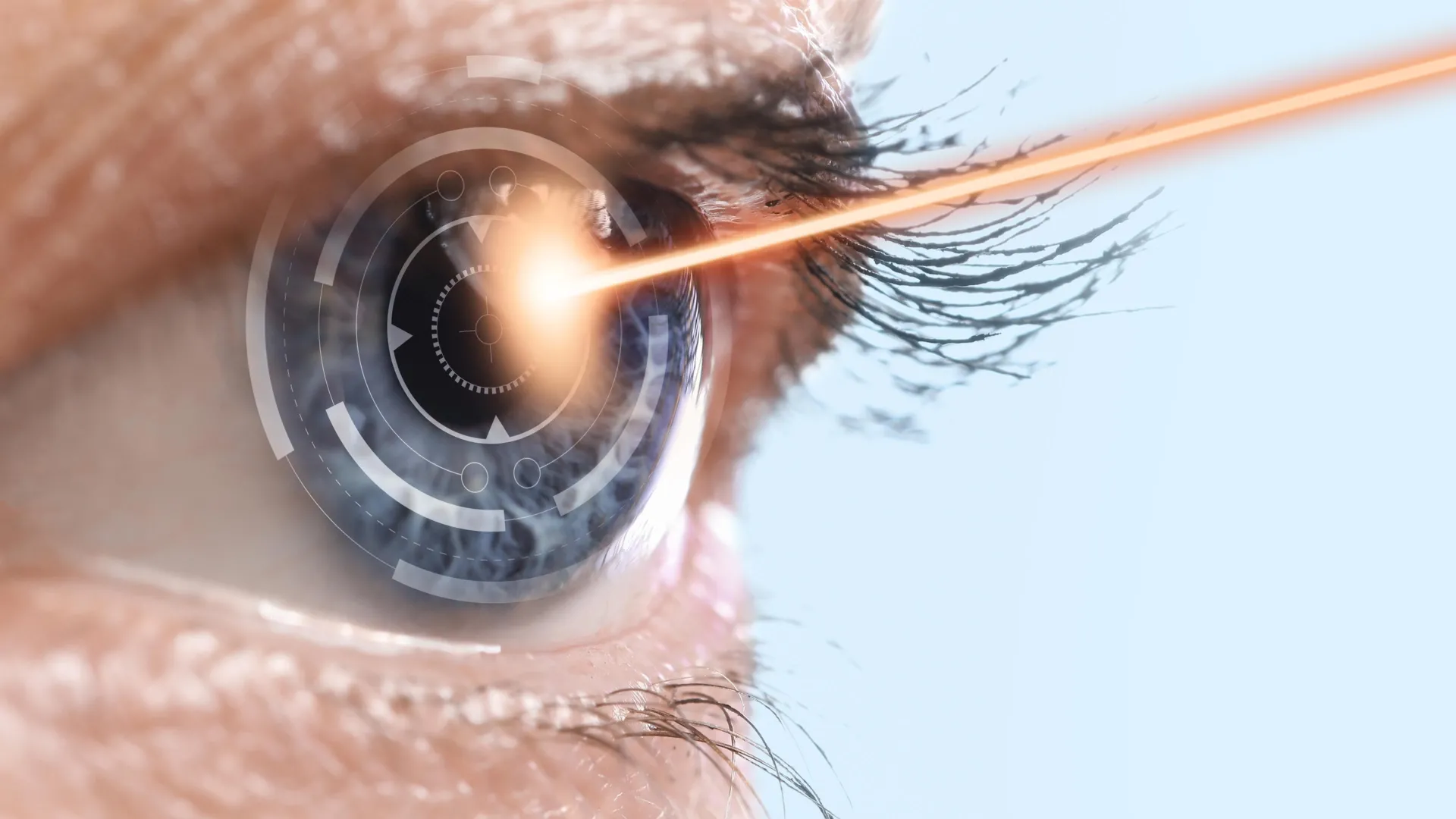
- Aalto University researchers developed a near-infrared light treatment that gently heats retinal tissue to trigger cellular repair mechanisms before dry AMD causes permanent vision loss, targeting the early diagnosis phase when disease progression may still be slowed.
- Professor Ari Koskelainen and team showed the controlled heat activates both heat shock proteins and autophagy—a cellular cleanup process for which Yoshinori Ohsumi received the 2016 Nobel Prize in Medicine.
- The system uses real-time temperature monitoring to keep tissue warming below the 45°C damage threshold, delivering a mild heat shock that functions as a controlled stress signal rather than burning tissue.
- Tests in mice and pigs confirmed the approach activates protective responses in retinal pigment epithelium, and patient trials are planned to begin in Finland in spring 2026, focused first on safety rather than vision improvement.
- Koskelainen noted the treatment would need to be repeated because the cellular response begins declining some days after the procedure, positioning it as a maintenance therapy rather than a one-time fix.
- The study was published in Nature Communications on October 29, 2025, and researchers are commercializing the technology through a startup called Maculaser, with Koskelainen estimating hospital eye clinic availability in as little as three years.
Why it matters: With about 20 million Americans age 40 and older living with AMD and roughly one-third of people over 80 affected, dry AMD has long lacked early-intervention options. Koskelainen's animal data and the planned spring 2026 safety trials in Finland position this as a candidate maintenance therapy to fill that gap—with a possible three-year runway to clinic use if results hold.
Ask SkimNews