Trump Grid Ban Sparks Cost, Supply Chain Fears — SkimNews
Get the Energy newsletter
Daily energy & climate — solar, EVs, oil, the policy fights and tech bets shaping the transition. Free.
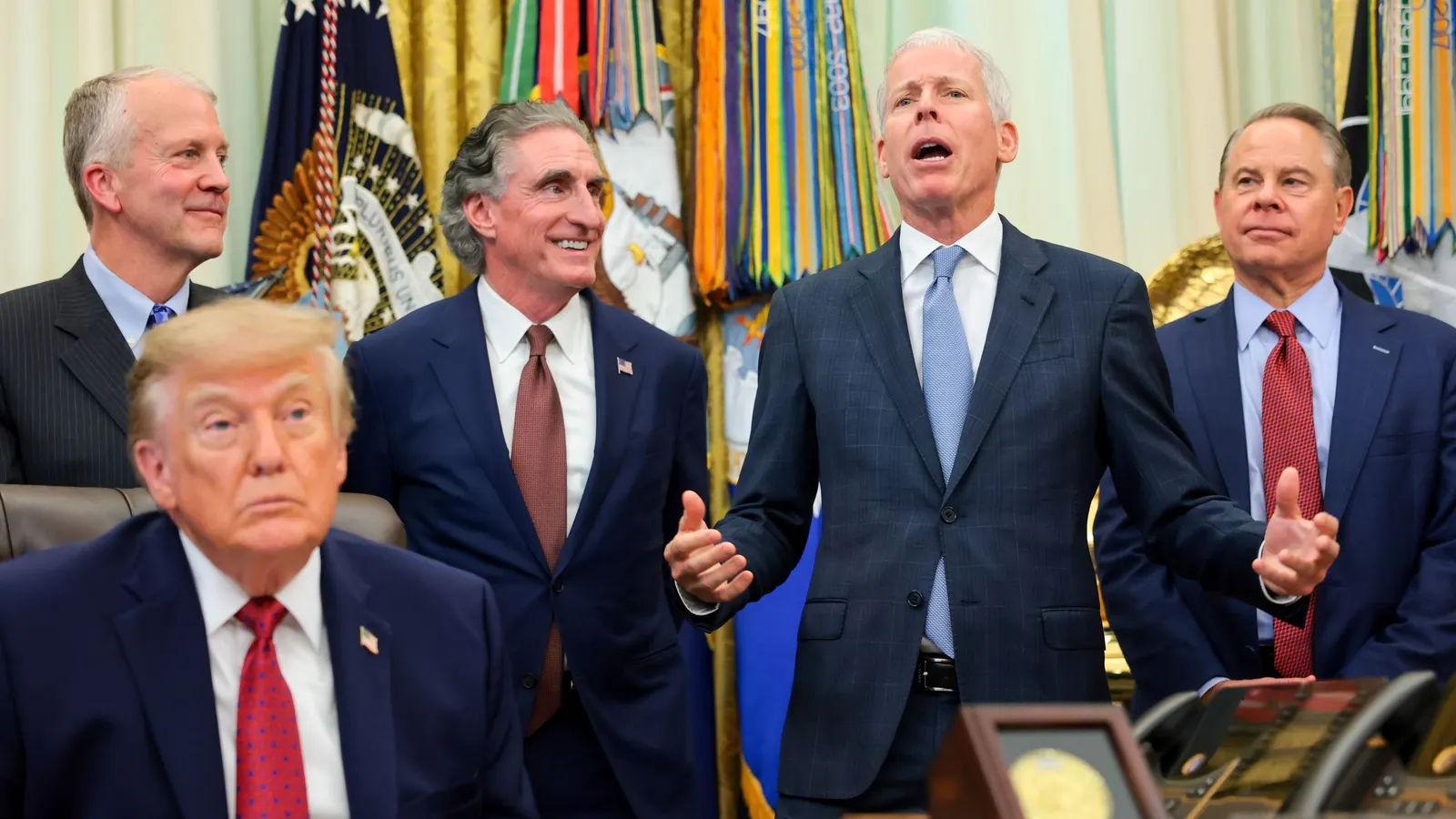
- Trump issued Executive Order 14421 on Aug. 26, empowering Energy Secretary Chris Wright to block or remove foreign-sourced bulk power system equipment deemed a national security risk.
- DOE must publish implementing rules by Dec. 24 and has solicited stakeholder input on how to enforce the order without disrupting grid upgrades or inflating costs for ratepayers.
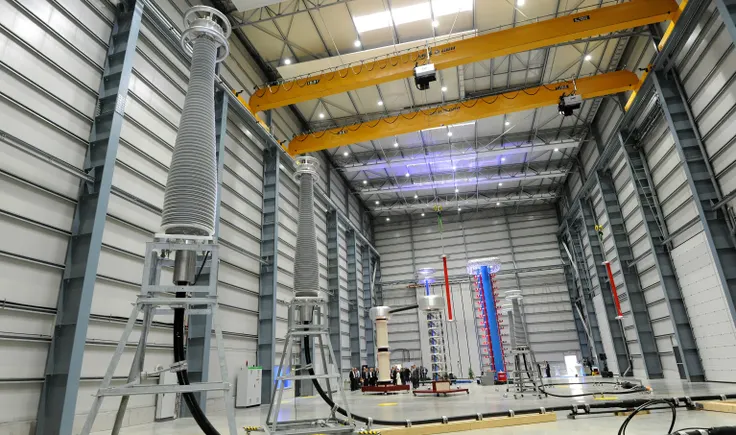
- Industry stakeholders, including NEMA and RMI, broadly back the order’s intent but warn that a country-of-origin ban could worsen existing supply shortages, especially for transformers and substations.
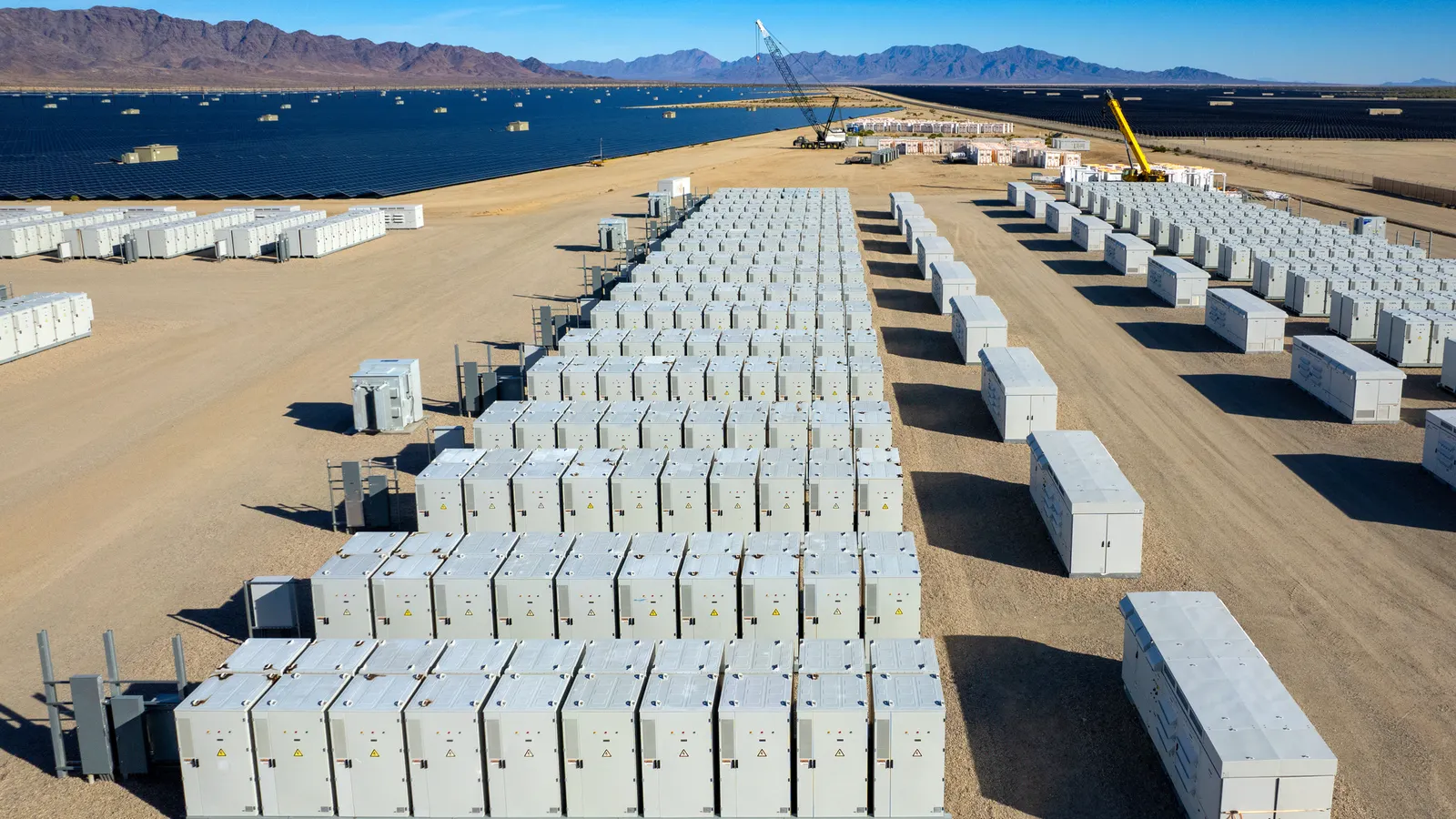
- Wood Mackenzie estimates $22 billion in U.S. bulk-power equipment imports since 2025, with China as a major supplier, and warns restrictions will deepen a 15% transformer market shortfall projected for 2026.
- RMI and BloombergNEF calculate 2025 grid import value at over $30 billion, with more than half from Mexico, Southeast Asia, and the EU, suggesting the ban’s impact may extend beyond China.
- Check Point Software Technologies highlights that nearly all power system software is remotely accessible and often built from open-source or third-party code, making origin tracing impractical and security standards more effective than geographic bans.
- The Rainey Center argues the real risk lies in software vulnerabilities and remote access controls—not geography—and urges DOE to adopt technology-neutral, verifiable security standards and a prequalification system for vendors.
Why it matters: Utilities face rising costs and delays as they navigate trillion-dollar grid upgrades, and a rigid foreign-equipment ban could worsen shortages in critical components like 100 MVA transformers, forcing ratepayers to absorb expenses while cybersecurity risks persist if software controls aren’t prioritized over origin.
Ask SkimNews