Home batteries powered SF and SJ during heat wave — SkimNews
Get the Energy newsletter
Daily energy & climate — solar, EVs, oil, the policy fights and tech bets shaping the transition. Free.
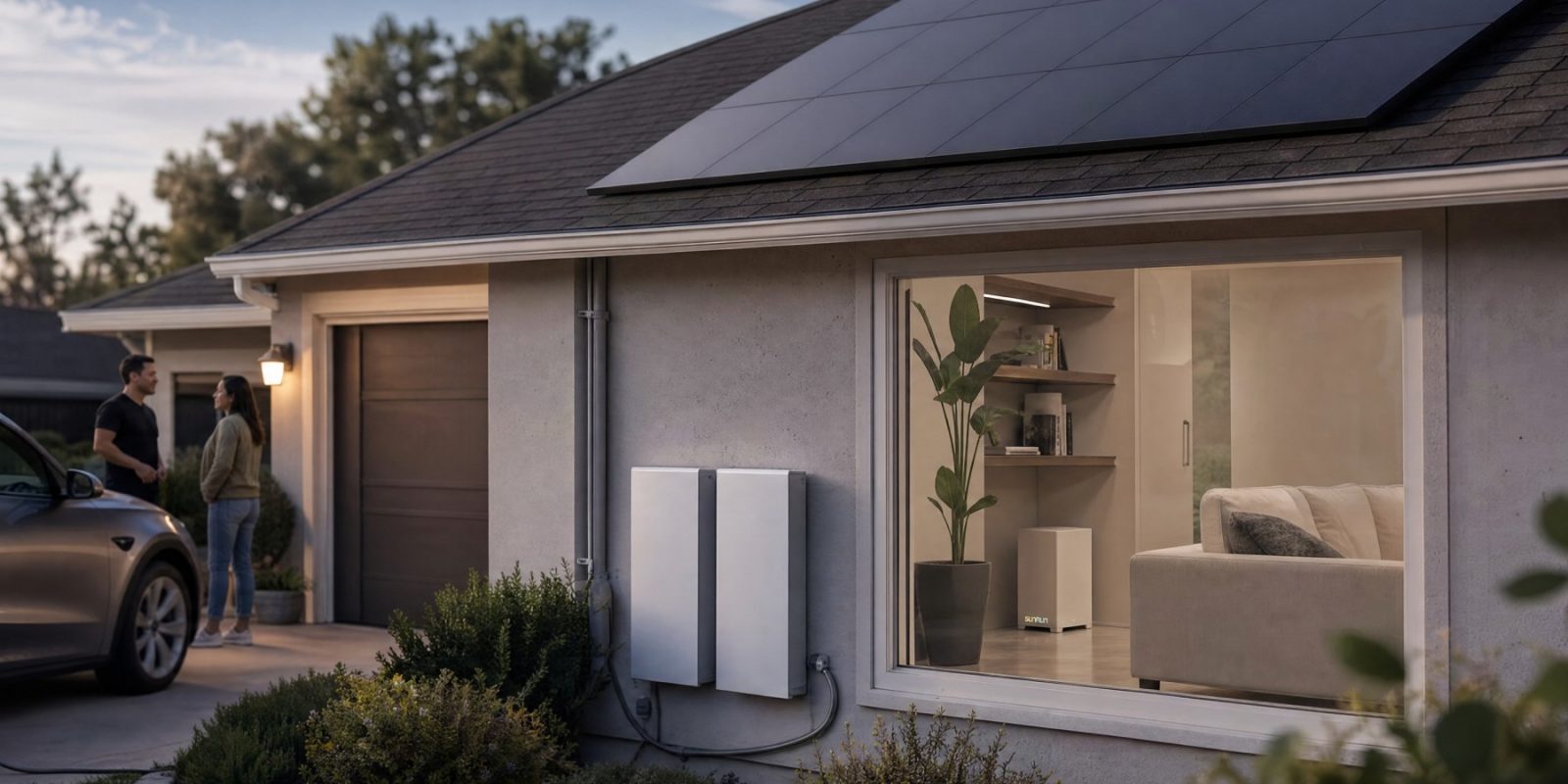
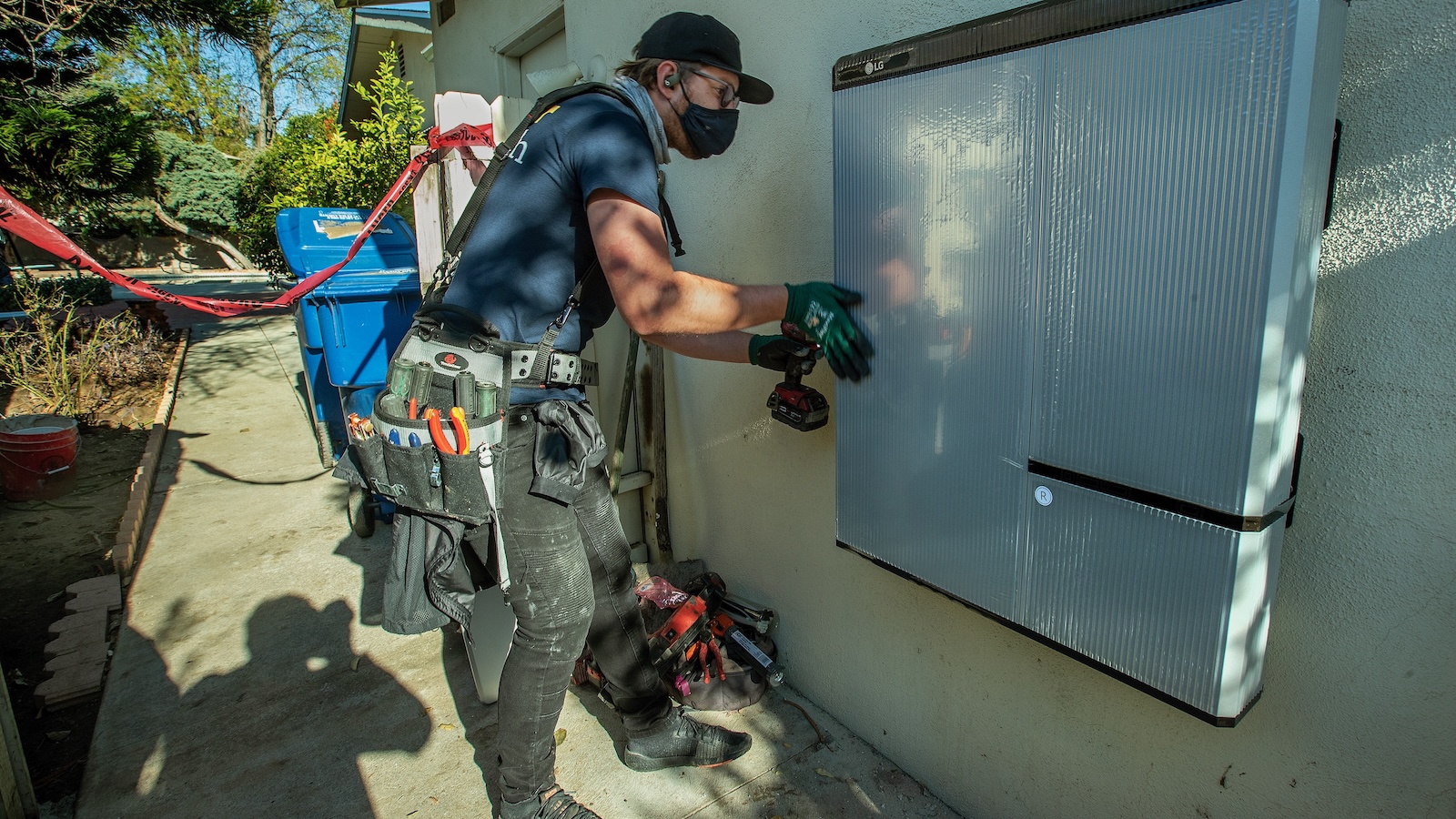
- Home batteries from Tesla and Sunrun supplied enough electricity to power all homes in San Francisco and San Jose combined during peak hours on October 6, according to Common Charge.
- Common Charge reports that distributed home battery systems helped avoid reliance on costly gas plants or imported power, reducing costs for all ratepayers during the heat wave.
- Sunrun fulfilled over 800 battery dispatch events this year, automatically sending stored solar energy to the grid while maintaining a reserve for homeowners’ use.
- Vehicle-to-grid (V2G) technology is being piloted by Sunrun and others, allowing EVs to return power to the grid during high demand, especially when used with predictable fleets like school buses.
- Mary Rafferty, executive director of Common Charge, emphasized that local energy storage supports neighbors without solar or batteries by stabilizing the grid and lowering system-wide costs.
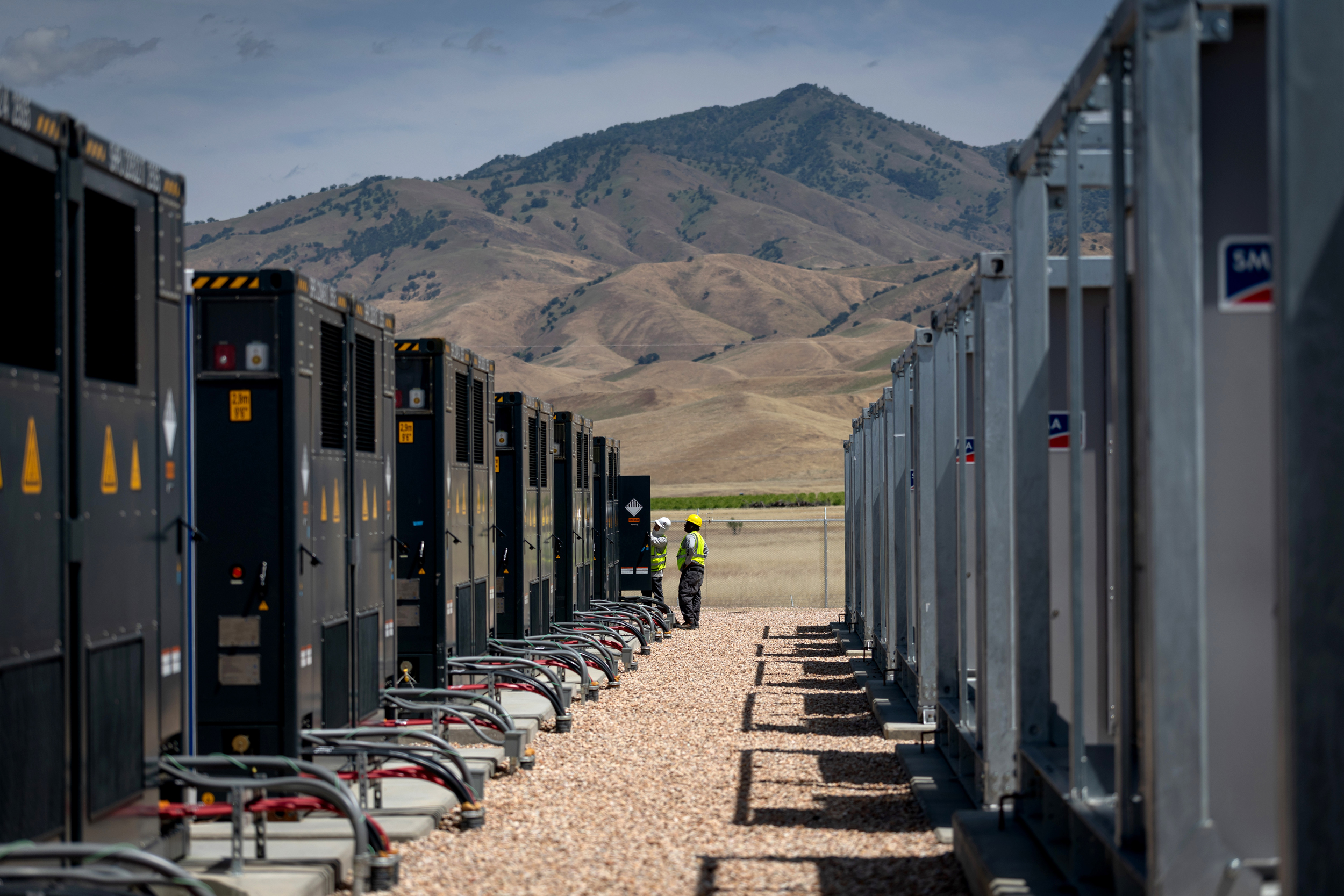
- Sunrun and Tesla together have 1.2 million home batteries installed across the U.S., capable of dispatching 8 gigawatts—nearly 11 times the output seen during the October heat wave event.
Why it matters: The 8 gigawatts of dispatchable capacity from 1.2 million home batteries means utilities can rely less on fossil-fueled peaker plants during demand spikes, directly reducing energy costs and emissions. This shift turns homeowners and EV drivers into compensated grid participants, altering the economic and operational model of power distribution at scale.
Ask SkimNews