California just showed how home batteries will radically remake the grid — SkimNews
Get the Energy newsletter
Daily energy & climate — solar, EVs, oil, the policy fights and tech bets shaping the transition. Free.
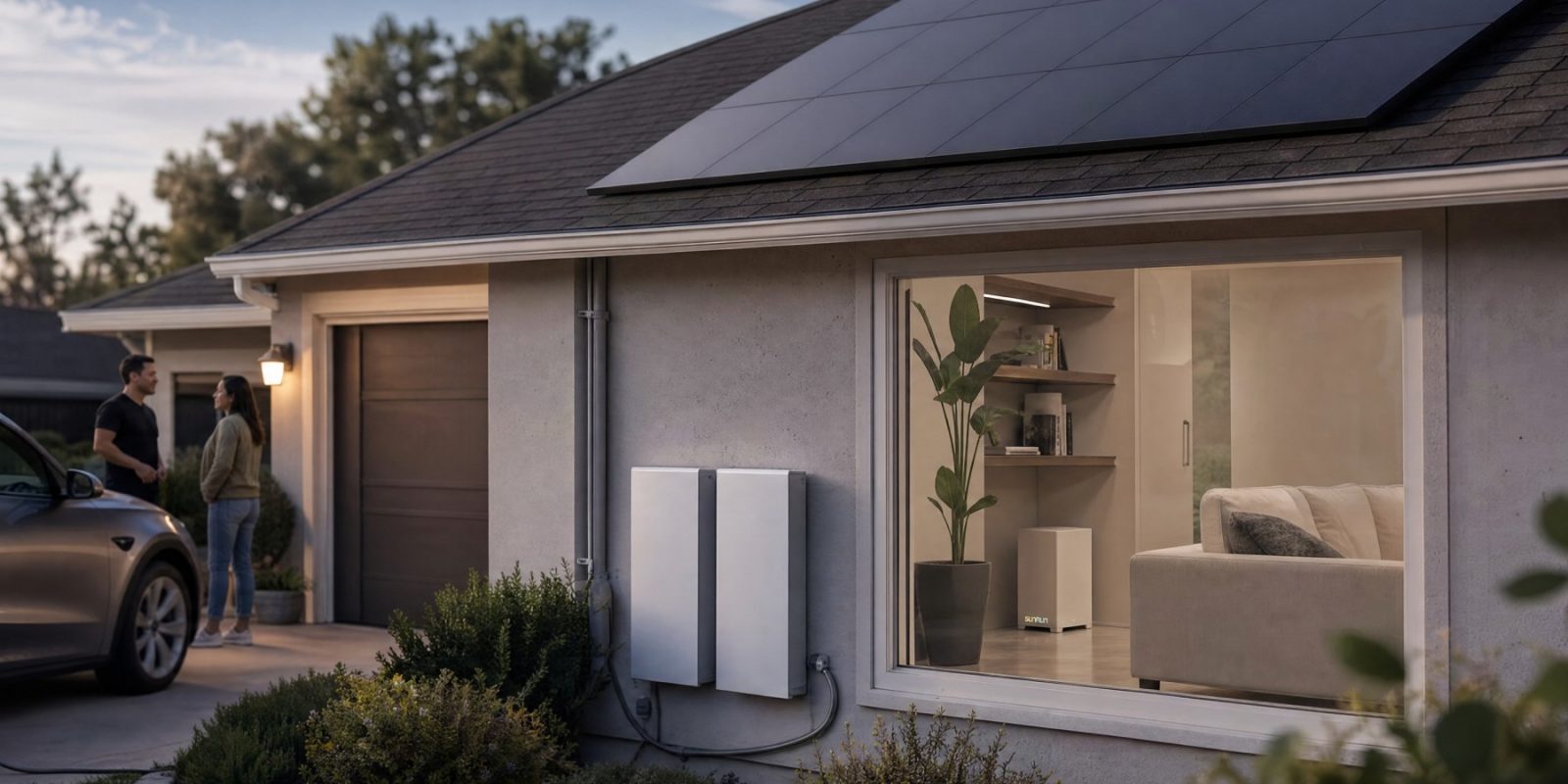
- Tesla and Sunrun home batteries powered every home in San Francisco and San Jose (combined population ~1.8 million) during peak hours of an October 6 California heat wave, according to nonprofit Common Charge
- Sunrun says it fulfilled 1,300 dispatch events last year and over 800 so far this year, with senior director Wyatt Semanek noting homeowners "don't even know" when their batteries are feeding the grid
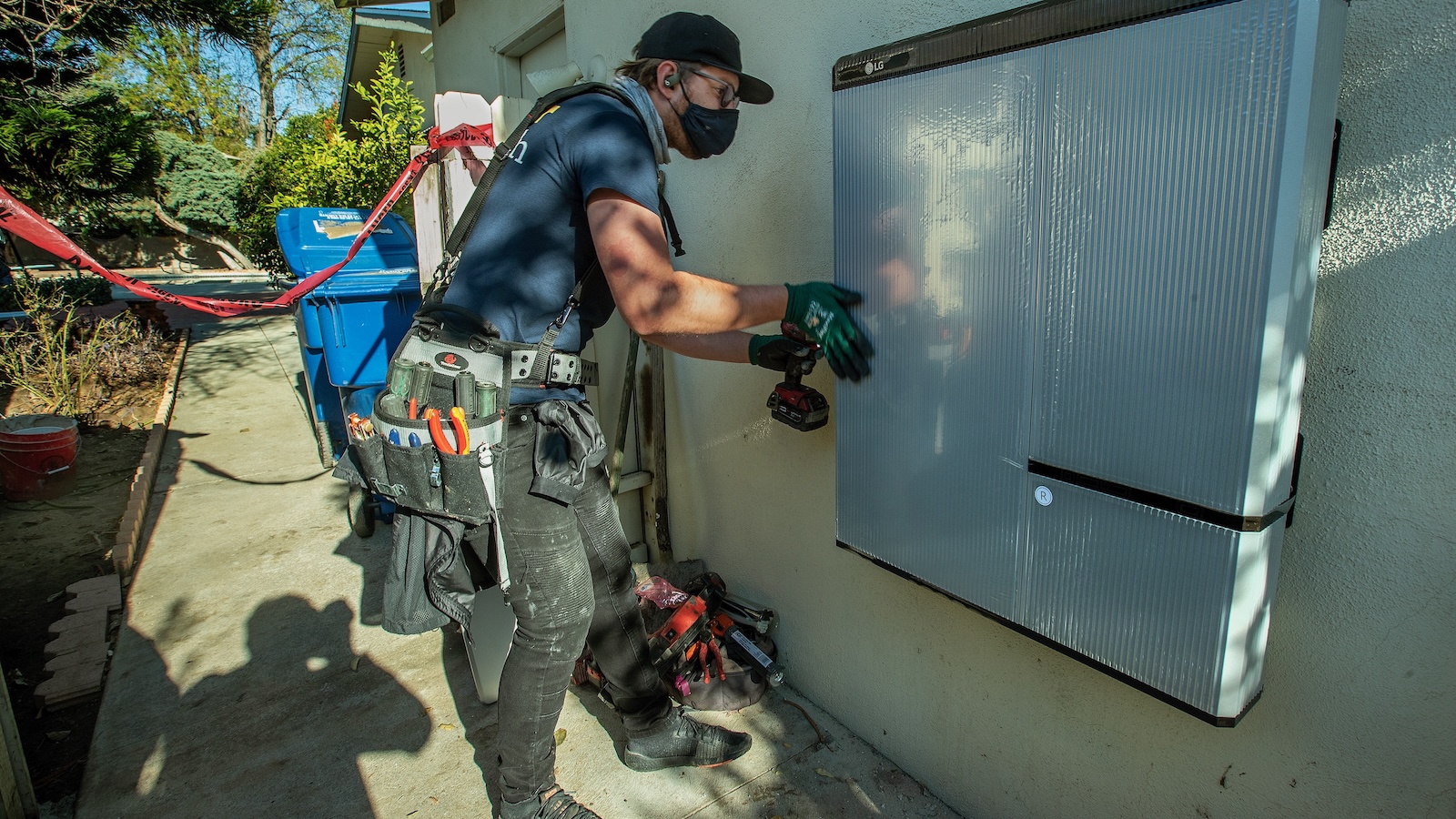
- Home batteries from Tesla and Sunrun now total 1.2 million installations across the U.S., capable of dispatching 8 gigawatts to the grid — nearly 11 times what the California heat wave required
- Vehicle-to-grid (V2G) pilots from Sunrun and others let EV owners send power back to the grid; school buses are flagged as especially valuable candidates due to their large batteries and predictable schedules
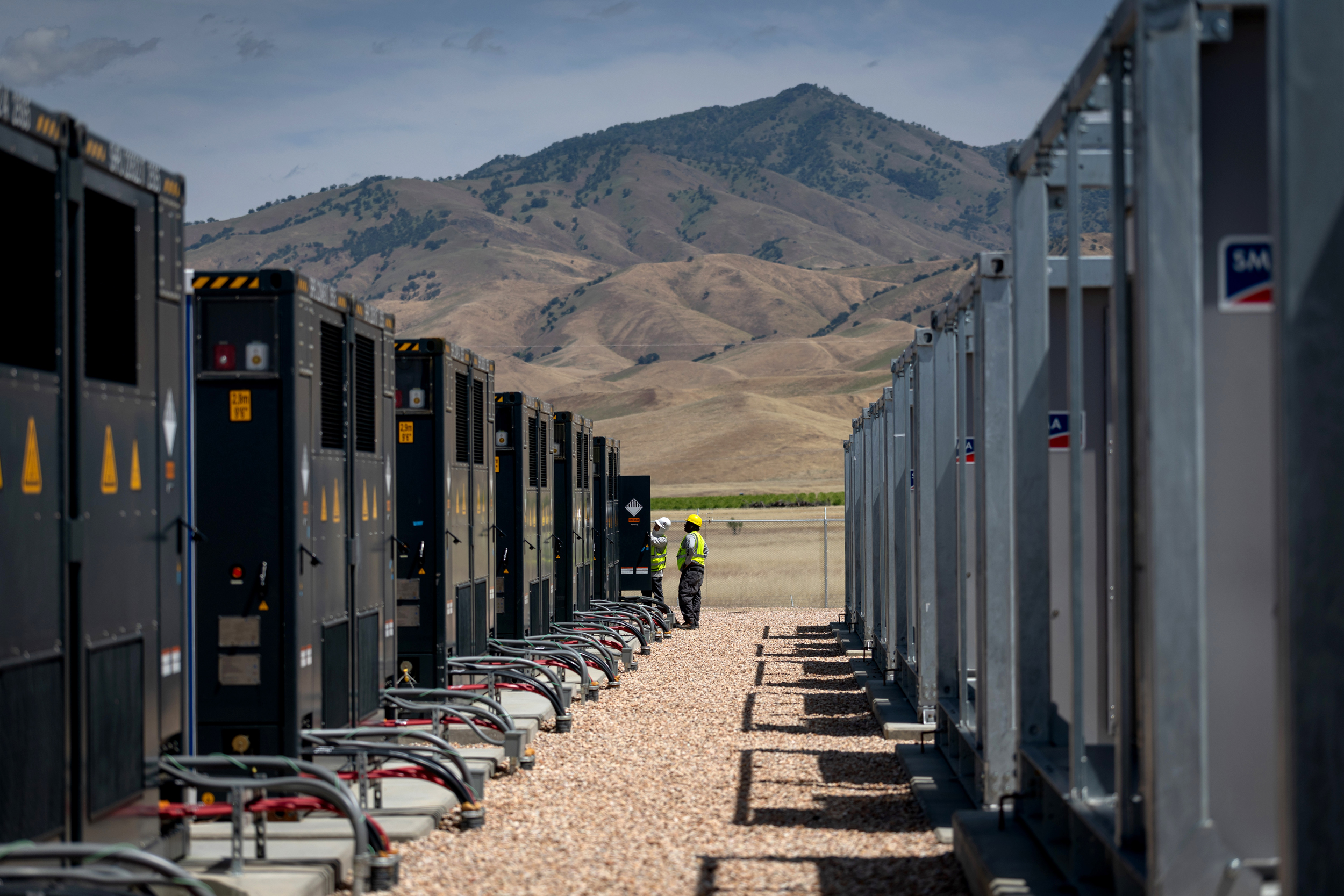
- Mary Rafferty of Common Charge argues that drawing on locally-stored energy is cheaper than building new gas peaker plants or importing electricity, lowering long-term costs even for neighbors without solar or batteries
- Home batteries can also function as a standalone "island" during outages, with Sunrun retaining a reserve charge for the homeowner even when dispatching to the grid
Why it matters: With 1.2 million Tesla and Sunrun home batteries already able to dispatch 8 gigawatts to the grid, utilities can meet demand spikes without firing up new gas peaker plants or importing expensive out-of-state power. Against the 86 million single-family homes in the U.S. still without storage, the article frames a long-term cost shift for all ratepayers — not just those who own the hardware.
Ask SkimNews