Hormuz oil flows up but rely on costly U.S. military ops — SkimNews
Get the Geopolitics newsletter
Daily geopolitics — wars, elections, sanctions, the diplomatic moves that move markets. Free.
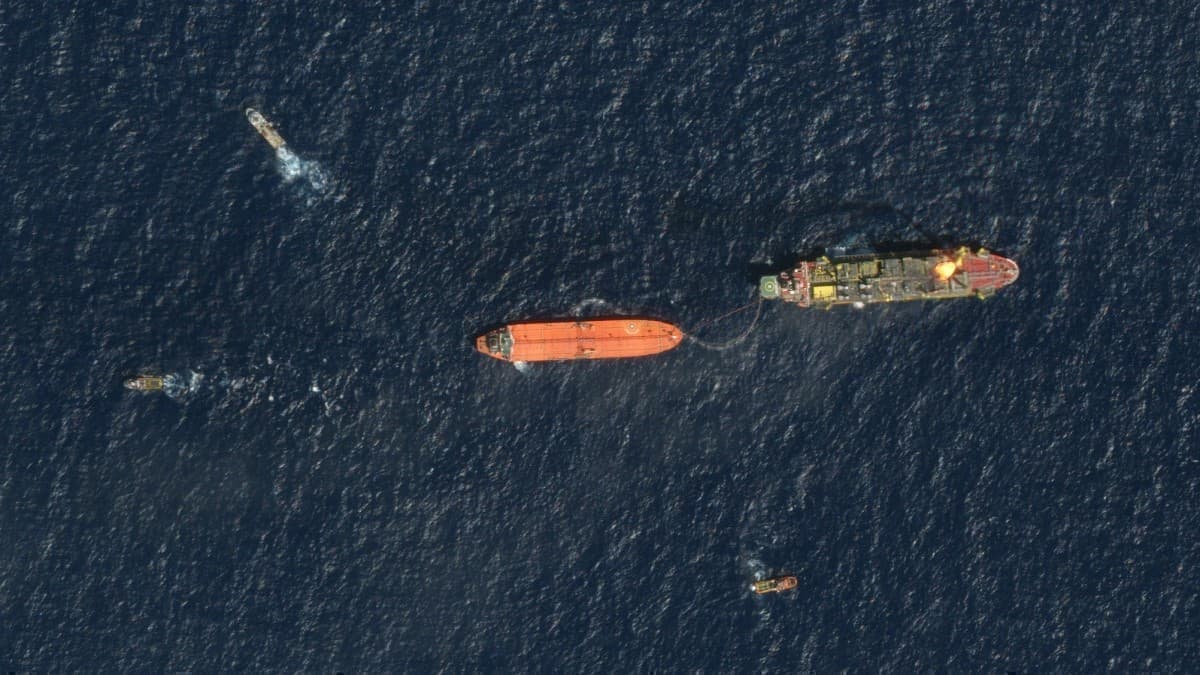
- Strait of Hormuz oil traffic has increased to 13–17 million barrels per day, below pre-war averages of 20 million, relying on risky ship-to-ship transfers and U.S. naval protection rather than open, secure passage.
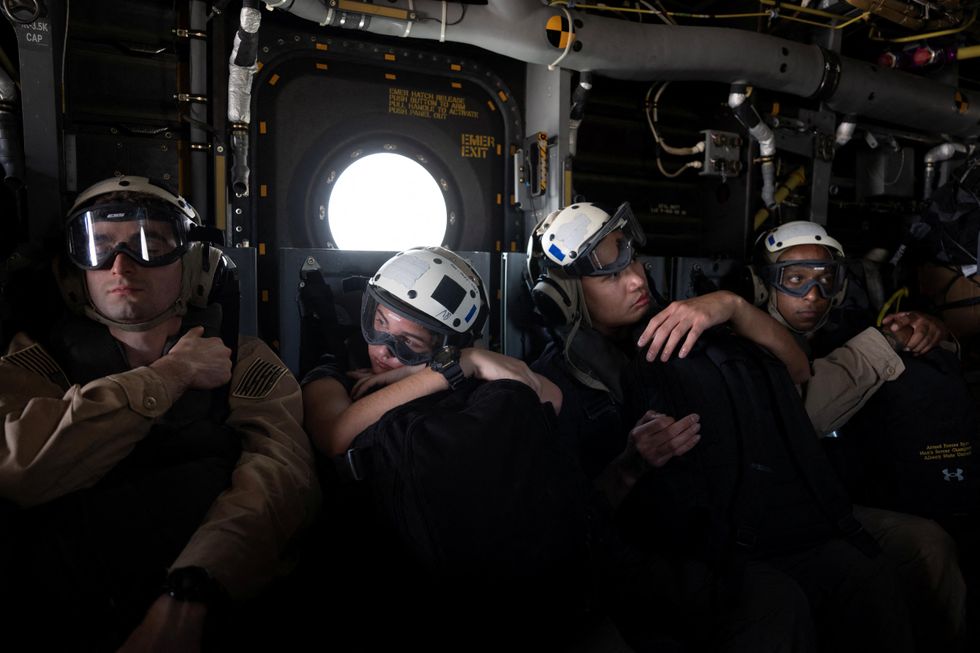
- U.S. Navy deployed the USS Roosevelt carrier strike group to the Gulf, maintaining a high-cost security umbrella for oil shipments amid ongoing Iranian attacks on vessels transiting the strait.
- Rose Kelanic notes the U.S. cannot fully open the strait without a peace deal with Iran, warning that sustaining large-scale military commitment is questionable in terms of cost and long-term viability.
- Amir Handjani highlights that ship-to-ship transfers—conducted with AIS off and in darkness—are enabling oil movement but depend heavily on U.S. Navy support and involve significant risk and expense.
- Sal Mercogliano observes that maritime recovery relies on longer voyages, rerouting, and war-risk premiums, with VLCC charter rates spiking to $1.2 million from the Persian Gulf, not a return to normal operations.
- Ezana Tedla points to persistent market uncertainty, citing Brent crude at $102 a barrel despite improved transits, due to unresolved conflict risks and forecasting paralysis among institutions like J.P. Morgan.
Why it matters: The U.S. taxpayer bears rising costs as the Navy sustains an unprecedented Gulf presence to keep oil moving, while global diesel shortages persist due to damaged refineries and export bans—meaning consumers face elevated prices through the midterms, regardless of administration messaging about transit volumes.
Ask SkimNews