UC Davis study: wetlands produce 22× more zooplankton — SkimNews

Get the Health newsletter
Daily health & science — research, biotech, public health, the studies worth knowing. Free.
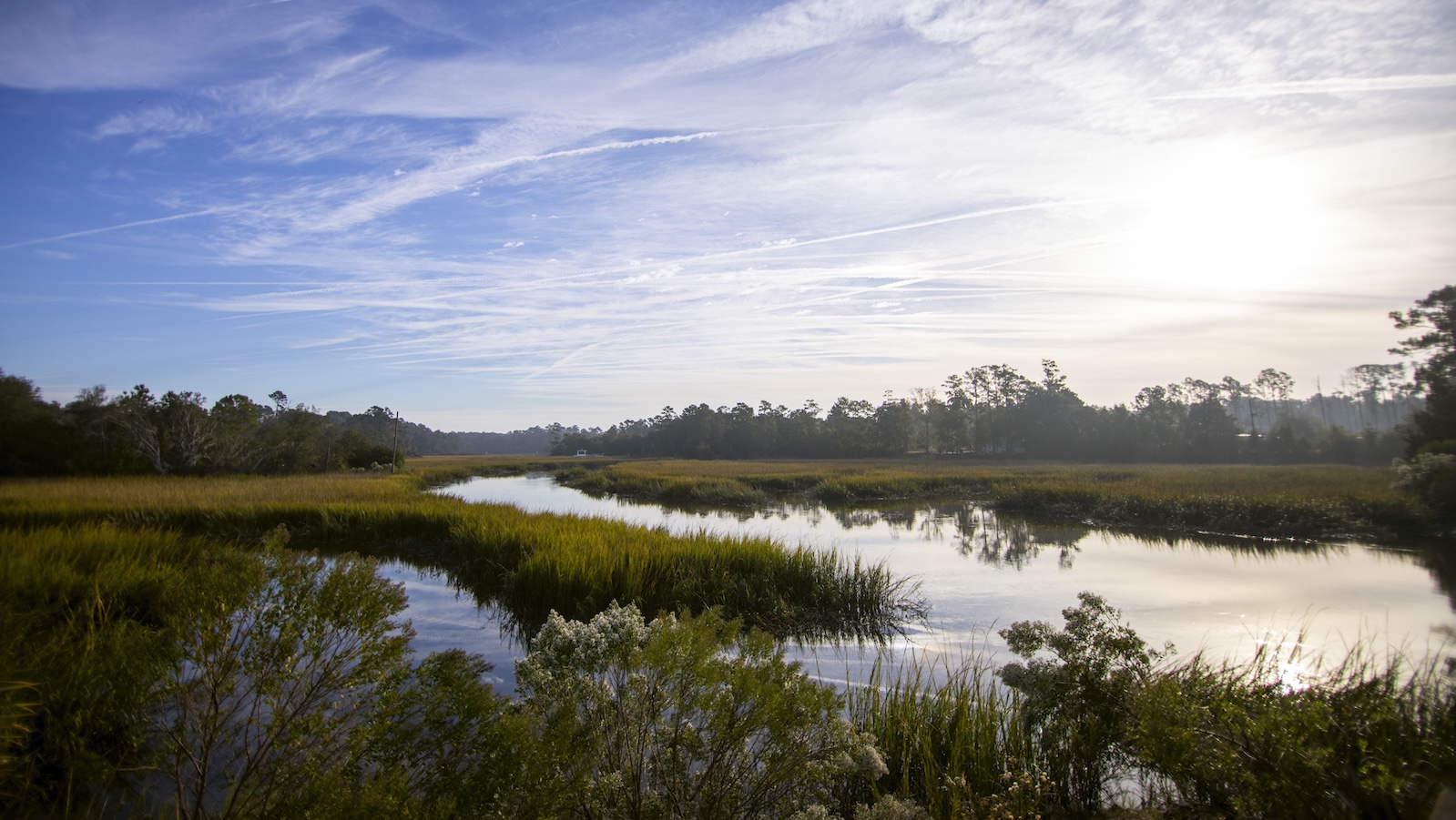
- UC Davis study published in Estuaries and Coasts reported that managed wetlands produce 11‑22× more zooplankton than tidal habitats.
- Researchers sampled zooplankton from six managed wetlands and eight tidal waterbodies across Suisun Marsh over 2018‑2022, finding winter peaks and summer lows in both habitats.
- Managed wetlands averaged 22× higher zooplankton abundance than tidal waterbodies across seasons.
- Lead author Kyle Phillips said flooding managed wetlands can trigger a large zooplankton boost, offering a “DoorDash‑like” delivery of food to fish.
- Follow‑up study planned for summer will test ways to export zooplankton from wetlands to sloughs in partnership with land managers and natural‑resources agencies.
Why it matters: Fish in the San Francisco Estuary gain a richer diet, supporting the threatened fishery, while managers gain a practical tool to boost zooplankton through controlled floods. The study shows wetlands produce up to 22× more zooplankton than tidal habitats, meaning the flood‑timing approach dramatically increases food for fish.
Ask SkimNews