Iran: Hormuz Won't Reopen Until US Meets Six Demands — SkimNews
Get the Geopolitics newsletter
Daily geopolitics — wars, elections, sanctions, the diplomatic moves that move markets. Free.
- Oman's foreign ministry confirmed positive talks with Iran on securing a new Strait of Hormuz shipping route that both sides would jointly manage, while warning against attacks on shipping in the area
- Iranian Foreign Minister Abbas Araghchi said talks are in final stages but full reopening depends on "other conditions," including US compensation for violations of the June Memorandum of Understanding that fell through within days
- Iran's security chief Mohammad Baqer Zolqadr told Tasnim the strait will not reopen until the US meets six Iranian demands, including halting threats, removing its naval blockade of Iranian ports, and releasing frozen assets
- President Trump said a deal "could be soon," while VP JD Vance struck a more skeptical tone on Fox News: "We're really in the middle of the game here. This thing is not over."
- Vance claimed the "same amount of oil" is emerging from the Gulf as before the February 28 US military operation began, and downplayed Reuters reporting that Iran sought 5-7% fees on transiting cargoes, saying Tehran "told us they have no plans to toll the Strait of Hormuz"
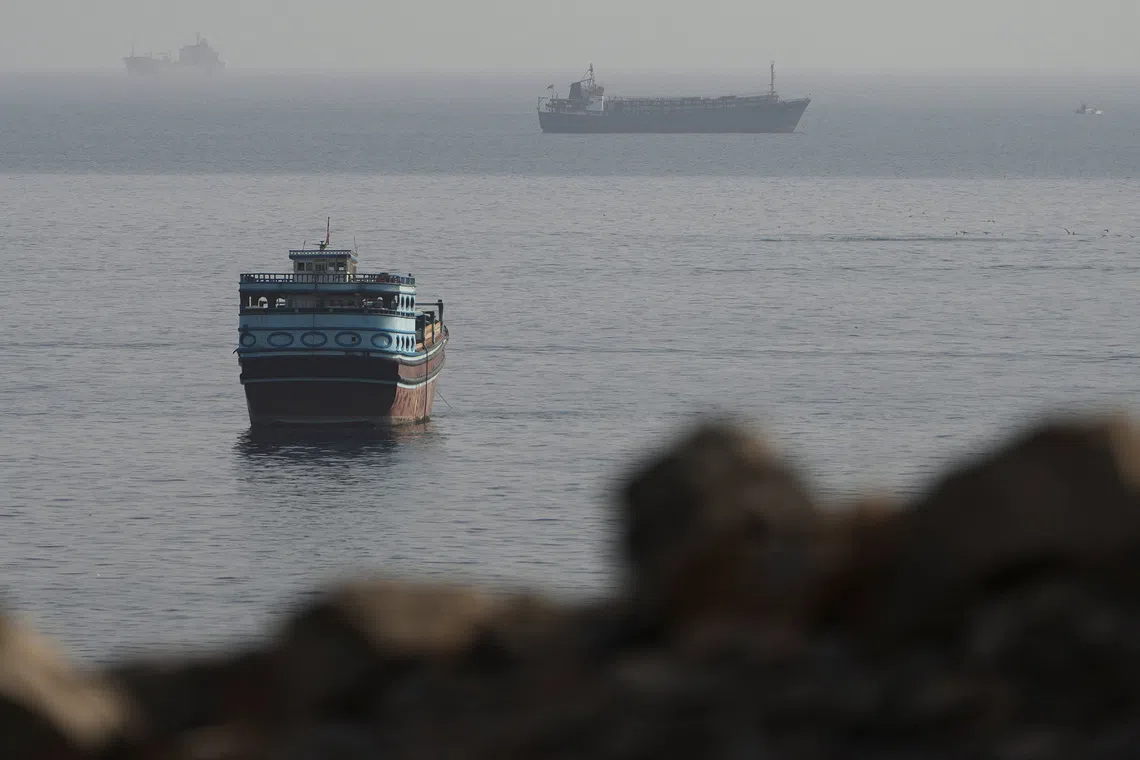
- The UAE said Iran struck a tanker affiliated with its state-owned Adnoc with a missile in the strait; UKMTO separately reported a ship hit by an "unknown projectile" off Oman's coast that caused a fire but no casualties
- Yemen's Iran-backed Houthis have separately blockaded Saudi Arabia's Red Sea ports since 20 July, compounding shipping disruption as the June US-Iran MoU collapsed into tit-for-tat attacks
Why it matters: Through the strait flows roughly a fifth of the world's oil and natural gas, and Iran's insistence that reopening depends on US concessions — alongside a same-day missile strike on an Adnoc tanker — exposes how little "positive" diplomatic framing reflects the on-water reality. Tehran is leveraging that leverage to extract compensation for a June deal that collapsed within days of signing.
Ask SkimNews