Scientists just found a way to fight lung cancer and muscle wasting at the same time — SkimNews
Get the Health newsletter
Daily health & science — research, biotech, public health, the studies worth knowing. Free.
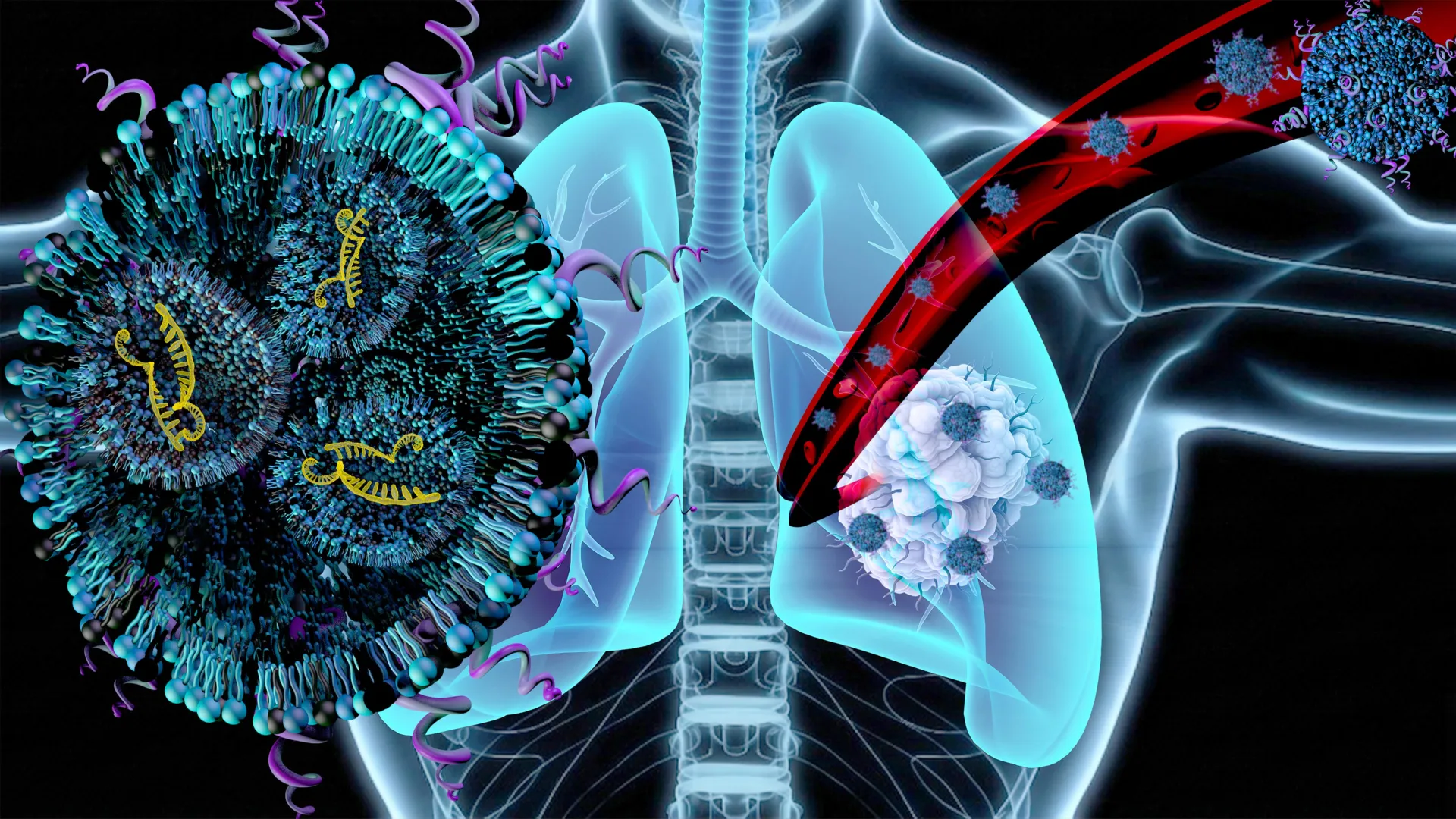
- Oregon State University researchers led by Oleh Taratula and Yoon Tae Goo developed lipid nanoparticles (LNPs) carrying follistatin mRNA that accumulated in lung tumors in mice, achieving approximately 2.5-fold greater tumor reduction than conventional LNPs.
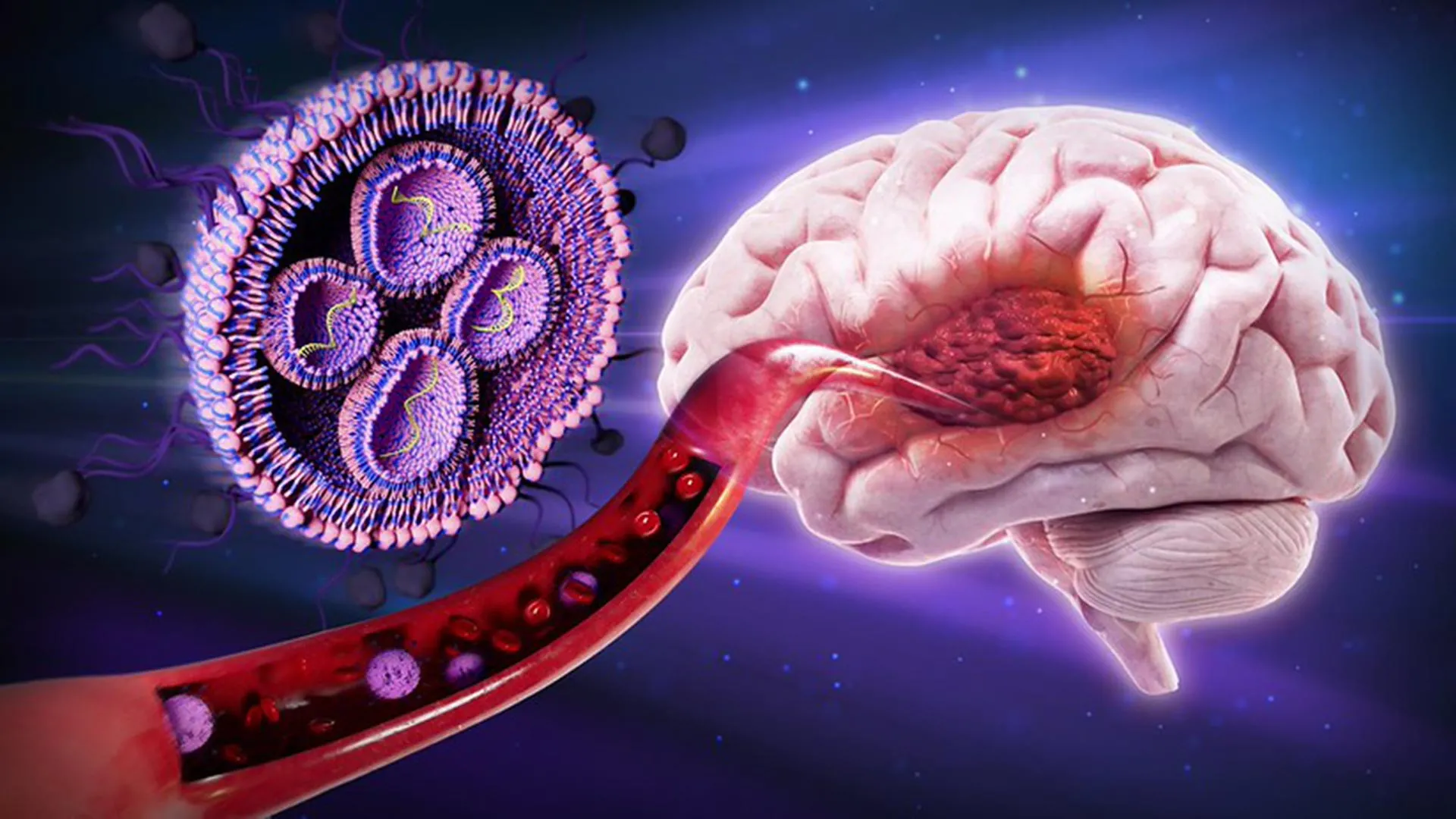
- The nanoparticles bypass the liver — the typical sink for systemic mRNA delivery — by binding to vitronectin in the bloodstream, which redirects them to tumors via integrin receptors overexpressed on cancer cell surfaces.
- Follistatin serves as a dual-action payload: the protein suppresses tumor growth while simultaneously promoting muscle growth, directly addressing cachexia, a wasting condition that continues even when patients eat enough food.
- Findings were published in the Journal of Controlled Release (2026) and remain preclinical — the therapy has not been tested in humans, and Taratula said more work is needed before human trials are considered.
- Lung cancer is the leading cause of cancer death in the United States, with the American Cancer Society estimating roughly 230,000 new cases and 125,000 deaths this year.
- The research was funded by the National Cancer Institute, the Eunice Kennedy Shriver National Institute of Child Health and Human Development, and the National Research Foundation of Korea.
Why it matters: Conventional mRNA therapies typically get trapped in the liver, so the vitronectin-binding mechanism solves a real delivery bottleneck in lung cancer treatment. If the dual-action approach translates to humans, it would be the first single therapy to attack both tumors and the cachexia that kills up to 30% of the patients it afflicts — two killers addressed by one shot.
Ask SkimNews