Scientists just found a way to fight lung cancer and muscle wasting at the same time — SkimNews
Get the Health newsletter
Daily health & science — research, biotech, public health, the studies worth knowing. Free.
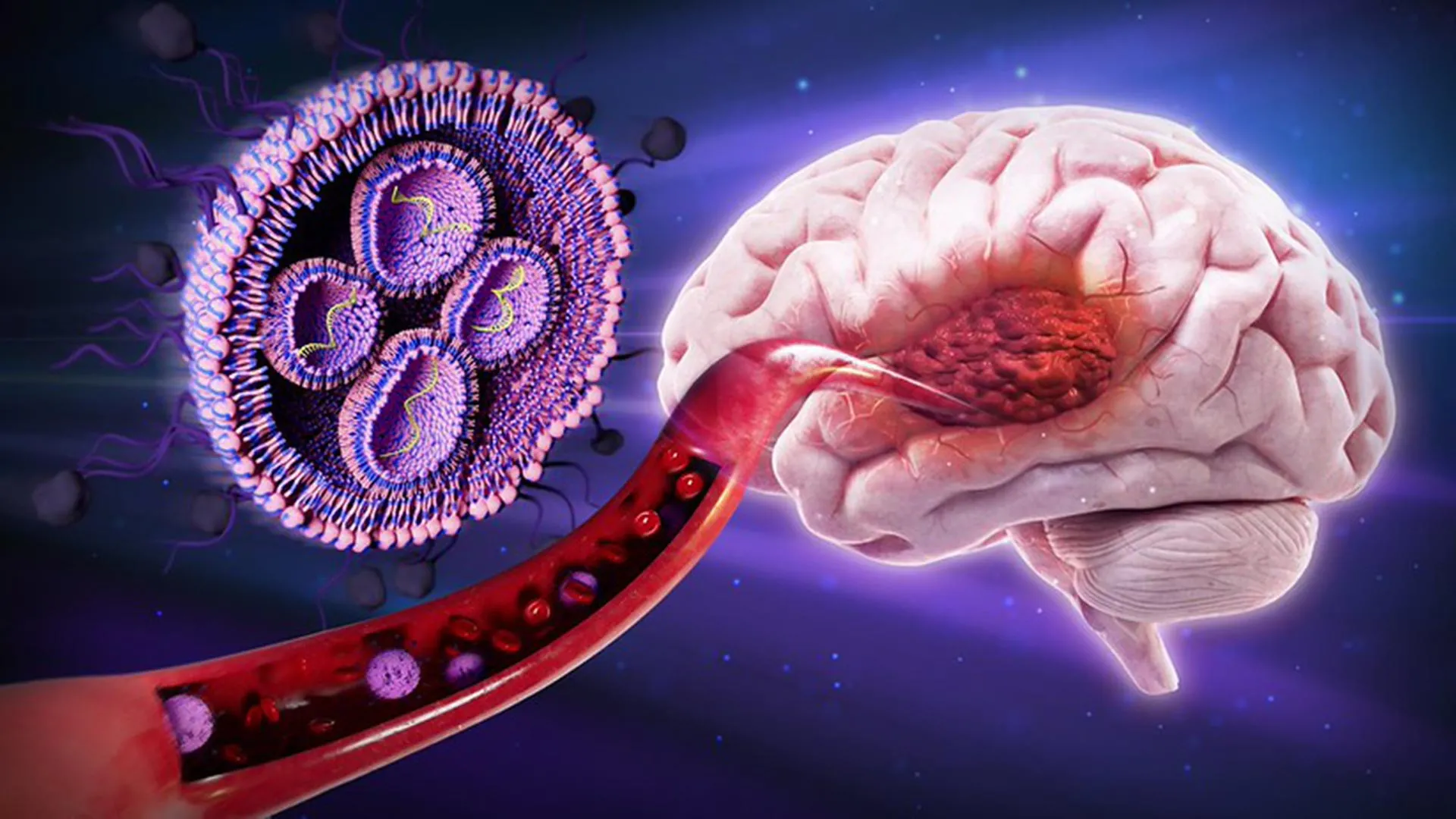
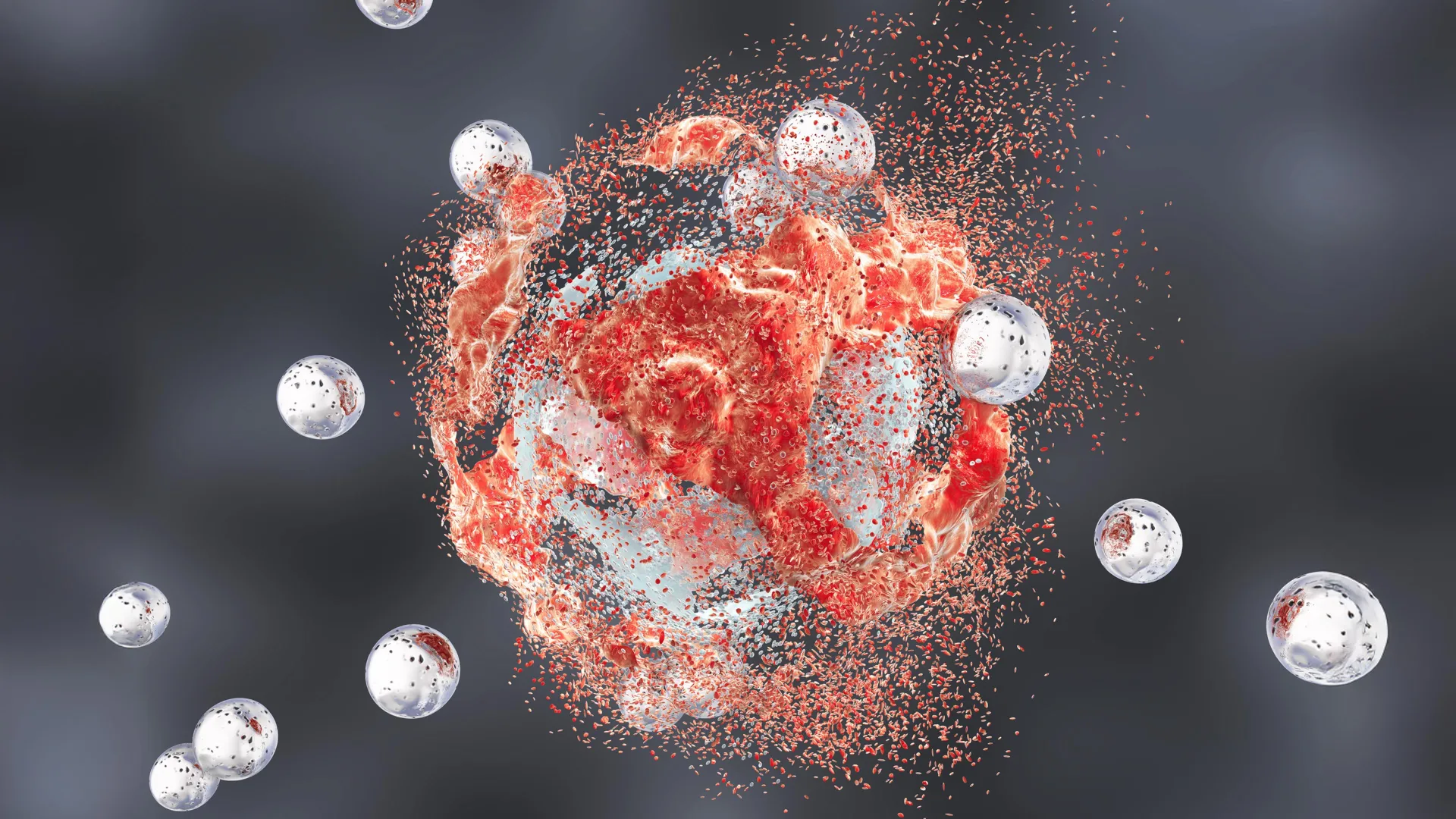
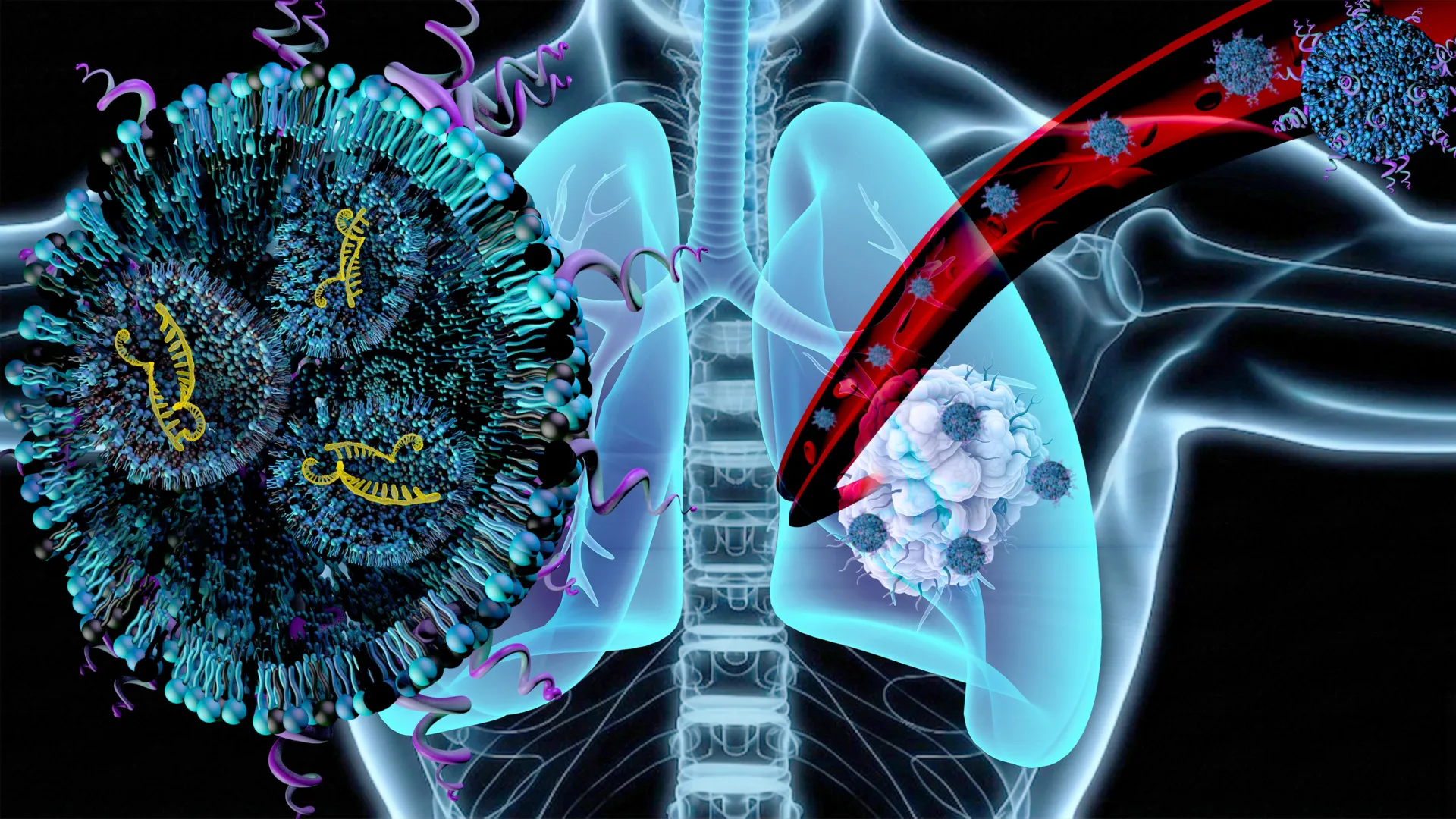
- Oregon State University researchers developed lipid nanoparticles carrying follistatin mRNA that accumulated in lung tumors in mice, achieving approximately 2.5-fold greater reduction in tumor burden than conventional LNPs.
- The nanoparticles bind vitronectin in the bloodstream, which directs them to lung cancer cells via integrin receptors that are overexpressed on tumor surfaces, according to lead researcher Oleh Taratula.
- Conventional lipid nanoparticles typically accumulate in the liver rather than reaching lung tumors — a delivery problem the OSU team said it overcame with its vitronectin-binding approach.
- The therapy also targets cachexia, a severe muscle-wasting condition that can kill up to 30% of the cancer patients it affects and continues even when patients eat enough food.
- Published in the Journal of Controlled Release, the study was led by Oleh Taratula and Yoon Tae Goo of the OSU College of Pharmacy and remains at the preclinical stage, with no human trials yet conducted.
- The work was supported by the National Cancer Institute, the Eunice Kennedy Shriver National Institute of Child Health and Human Development, and the National Research Foundation of Korea.
Why it matters: Lung cancer kills roughly 125,000 people in the U.S. each year, and cachexia kills up to 30% of the cancer patients it strikes, per the American Cancer Society and the researchers. A preclinical therapy that addresses both the tumor and the muscle wasting in a single dose is a notable design choice, though the OSU team said human testing remains down the road.
Ask SkimNews