Dar Meets Rubio in Washington for Iran Talks — SkimNews
Get the Geopolitics newsletter
Daily geopolitics — wars, elections, sanctions, the diplomatic moves that move markets. Free.
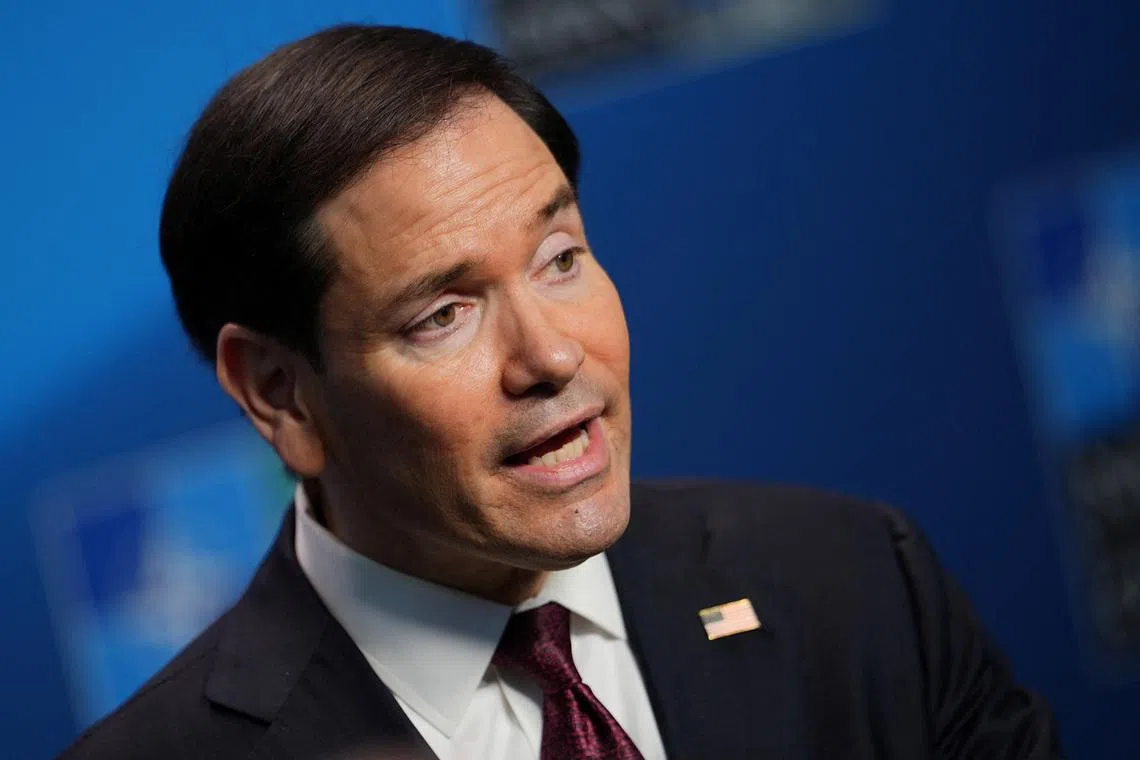
- Ishaq Dar arrived in Washington on Friday for a 10 a.m. (1400 GMT) meeting with Secretary of State Marco Rubio, per the State Department schedule, with Pakistan's foreign ministry saying he would fly home the same day.
- Tehran and Washington have reached an initial agreement to extend an April ceasefire and lift restrictions on Strait of Hormuz shipping, Reuters reported, though Trump has not approved the deal and Iran's Tasnim news agency said it has undergone changes in recent days and remains unfinalized.
- A first round of peace talks hosted in Pakistan concluded without a pact, and the conflict has killed thousands while pushing up global energy prices.
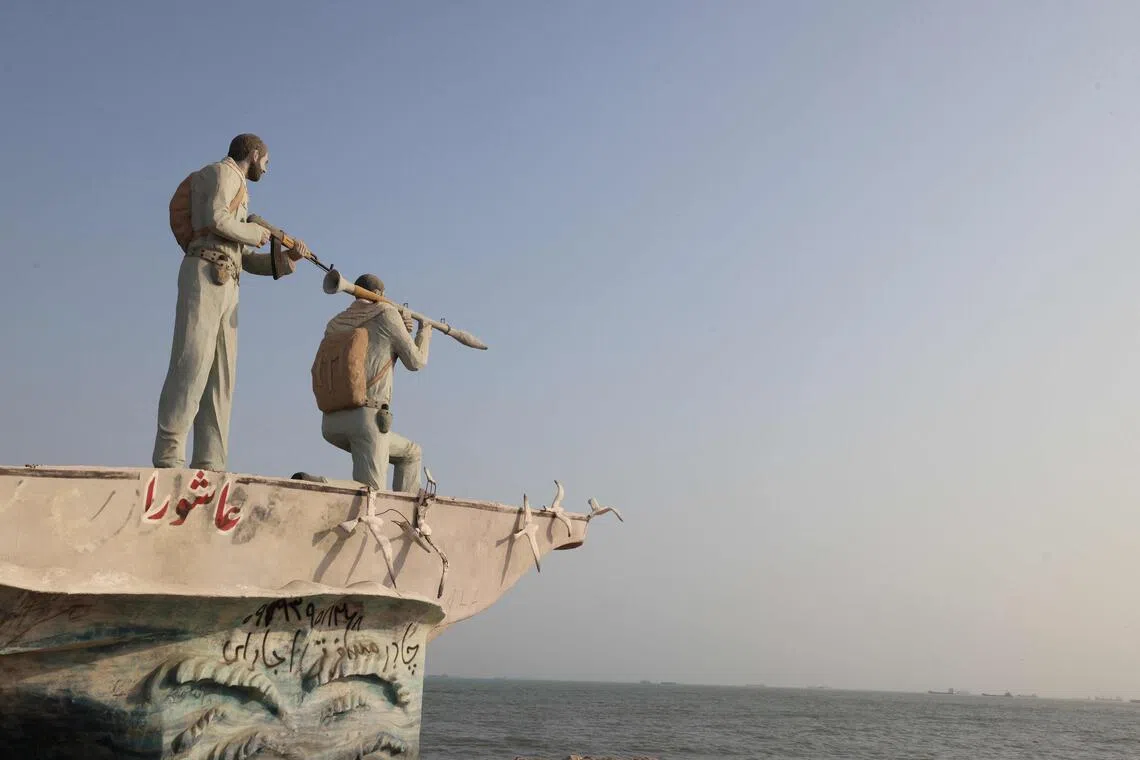
- The most urgent issue is freeing traffic through the Strait of Hormuz, which carried a fifth of global oil and gas shipments before the conflict; MarineTraffic data showed no oil tankers transited in the past 24 hours, while Iranian state TV claimed 24 vessels passed with Revolutionary Guards authorization.
- Pakistan's mediation has been led by army chief Field Marshal Asim Munir — whom Trump has praised — rather than Dar, who is also deputy prime minister; Trump has repeatedly said an end to the war is close since mid-March despite little public movement between Washington and Tehran.
- Core sticking points remain: Iran demands sanctions lifted, foreign assets unfrozen, and U.S. forces withdrawn from the region, while the U.S. demands Iran dismantle its nuclear program, which Tehran says is for peaceful purposes.
Why it matters: The Strait of Hormuz carried a fifth of global oil and gas shipments before the conflict, and zero oil tankers transited in the past 24 hours. With Trump yet to sign off on the reported deal and Iran calling it unfinalized, the Dar-Rubio meeting is the latest bid to break a deadlock that's killed thousands and pushed energy prices higher.
Ask SkimNews