Opinion: I studied GLP-1 use in children. The results are reassuring — SkimNews

Get the Health newsletter
Daily health & science — research, biotech, public health, the studies worth knowing. Free.
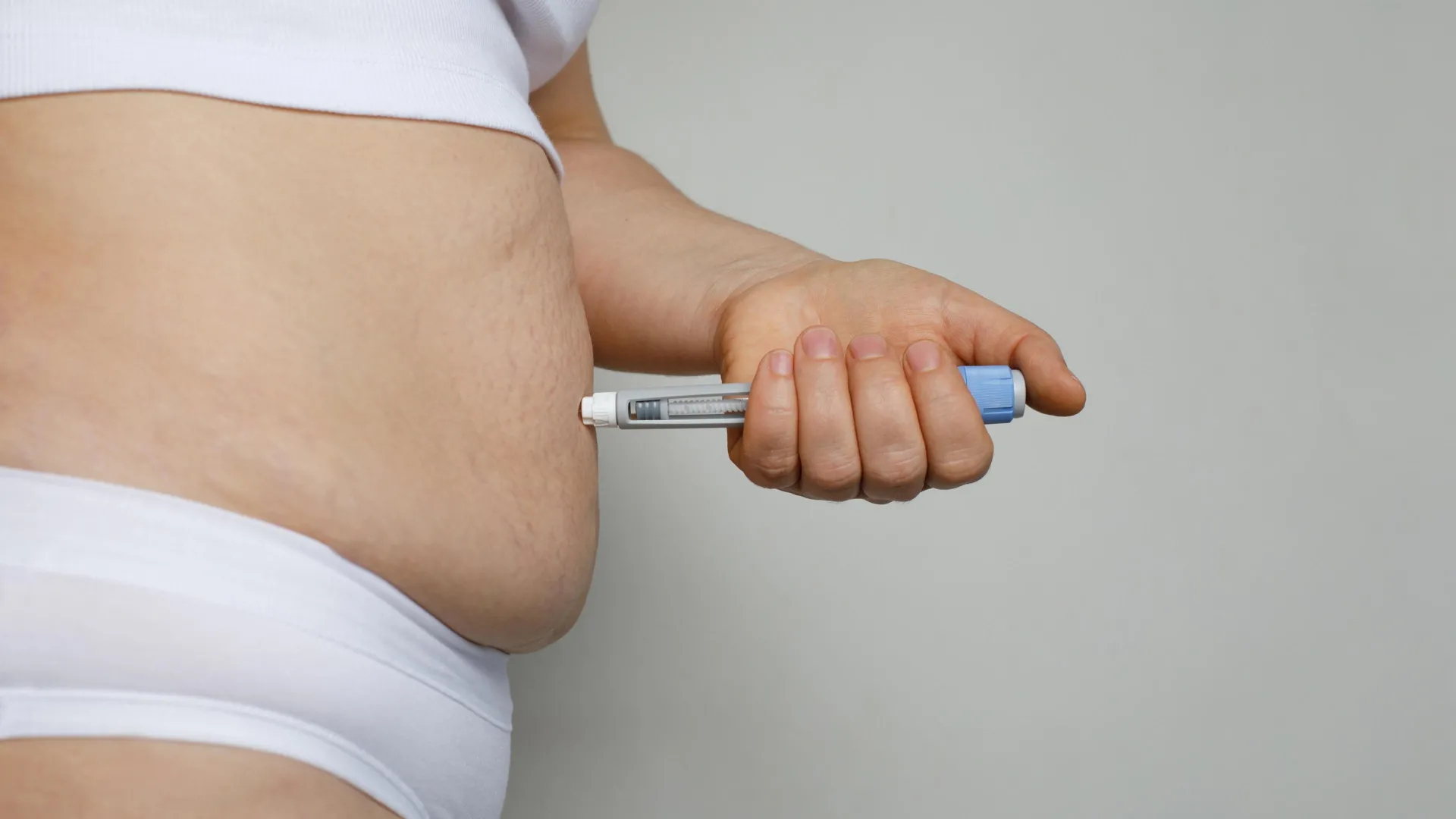
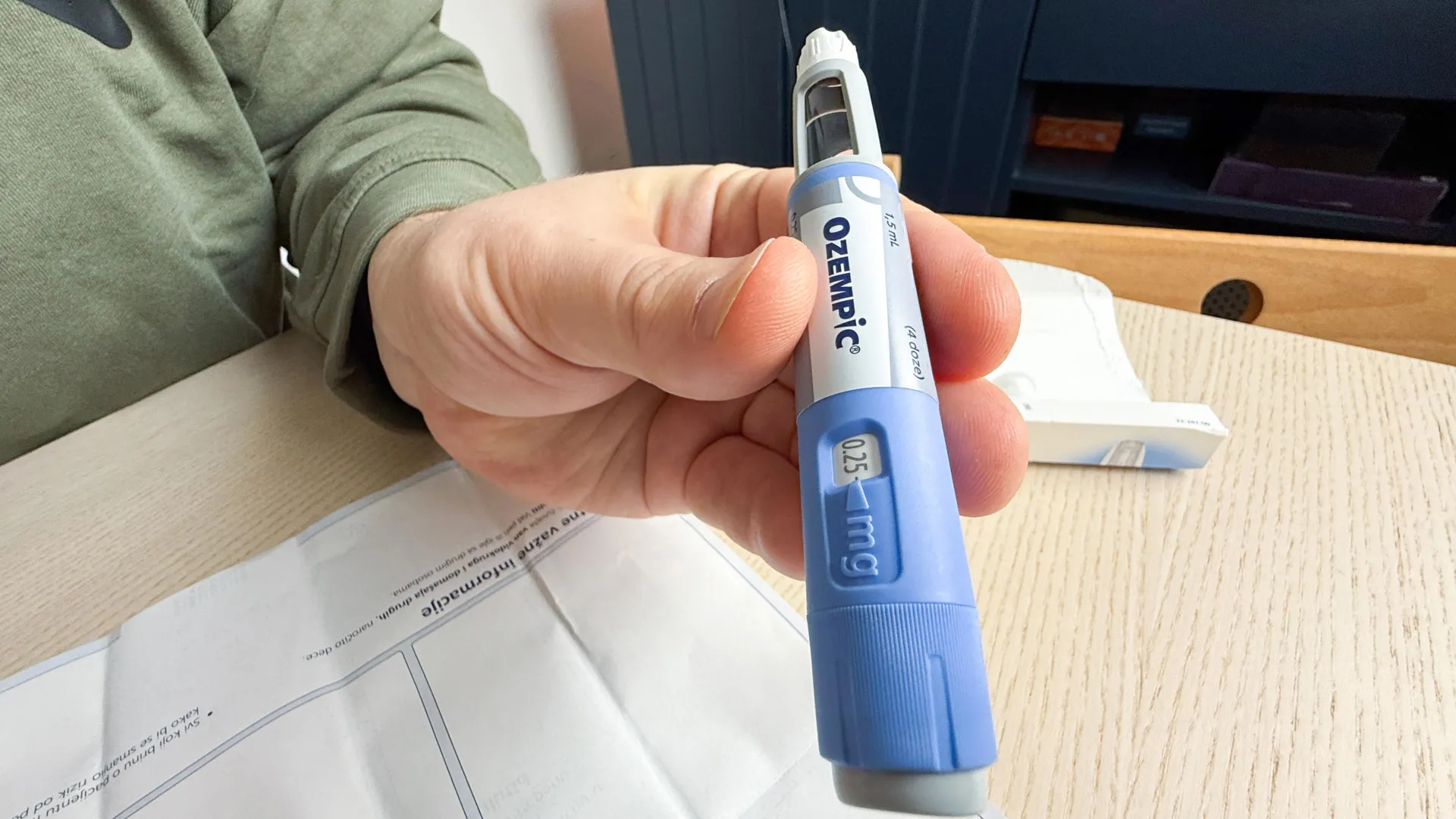
- Babak J. Orandi studied GLP-1 use in children and found a 310-fold increase in prescriptions for ages 8–11 since 2019, despite no FDA approval for that age group
- Children with severe obesity are up to nine times more likely to develop chronic kidney disease in young adulthood, and childhood fatty liver disease raises mortality risk 40-fold
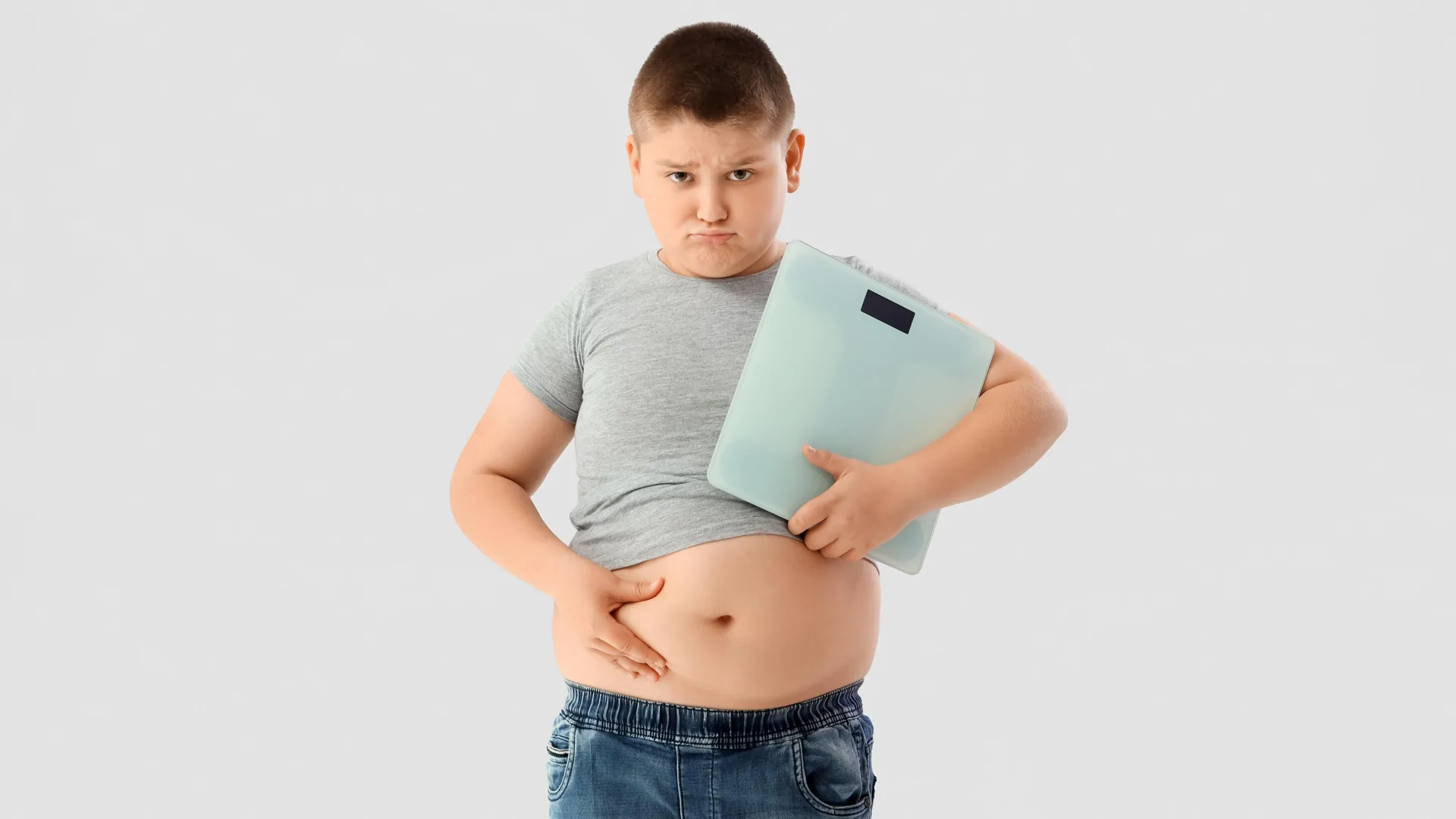
- Only 0.6% of children ages 8–11 with obesity received a GLP-1 prescription in the study, even though 94% of those prescribed the drug had severe obesity and related complications
- FDA approval for younger children could expand insurance coverage and reduce access disparities, but long-term data on growth and puberty impacts remain lacking
- Ultra-processed food environments, lack of physical activity, and socioeconomic pressures have created conditions that make childhood obesity a systemic failure, not an individual one
- Three policy changes — taxing sugar-sweetened beverages, ending tax deductions for advertising unhealthy foods to children, and improving school nutrition — are projected to save more in health care costs than they cost
Why it matters: 20% of U.S. children have obesity, yet only a tiny fraction at highest risk receive potentially preventive GLP-1 treatment. Without intervention, many will progress to irreversible organ damage, increasing transplant demand. Systemic fixes and medical access must advance together to alter this trajectory.
Ask SkimNews