XPeng Courts Automakers With Tech Tesla Couldn't License — SkimNews
Get the Energy newsletter
Daily energy & climate — solar, EVs, oil, the policy fights and tech bets shaping the transition. Free.
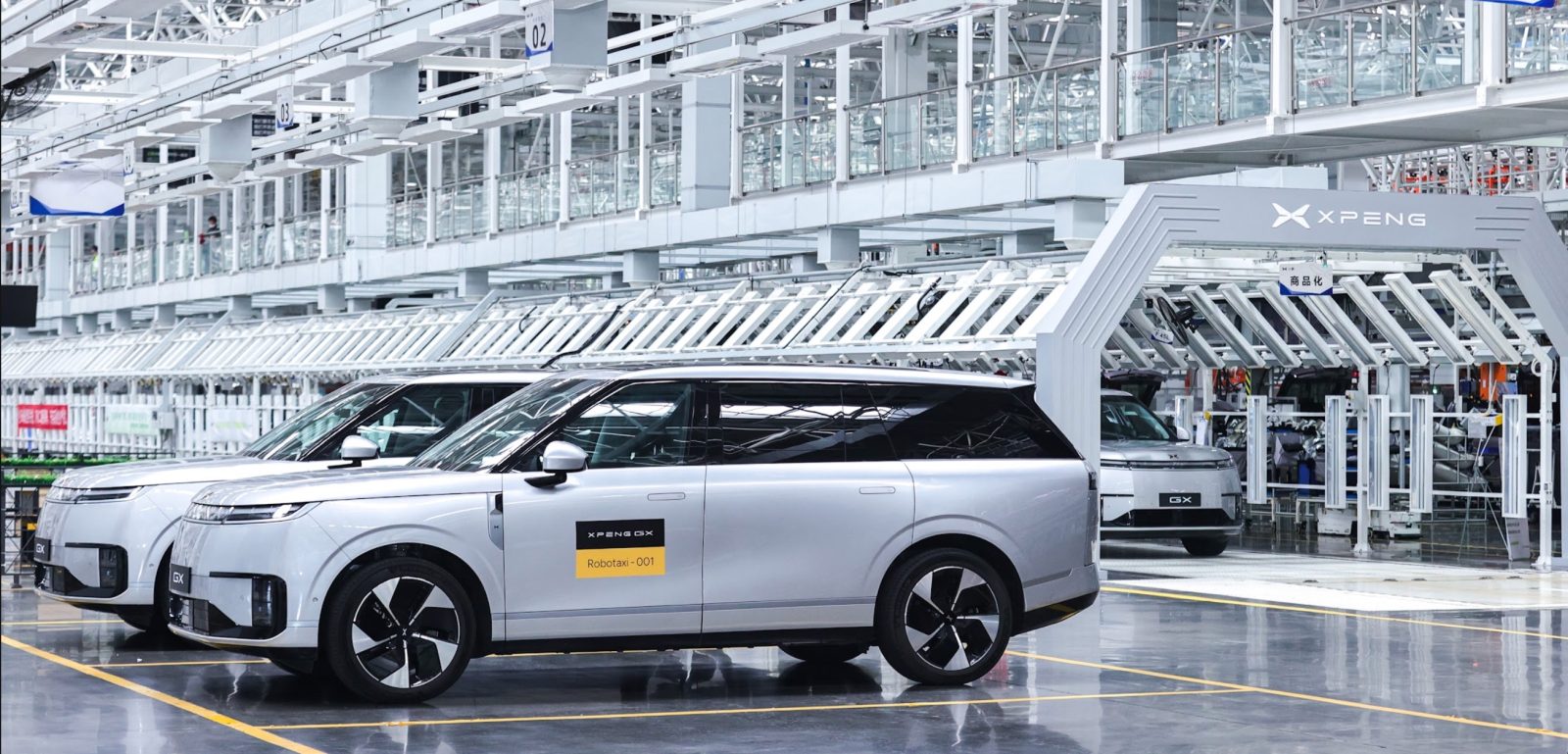
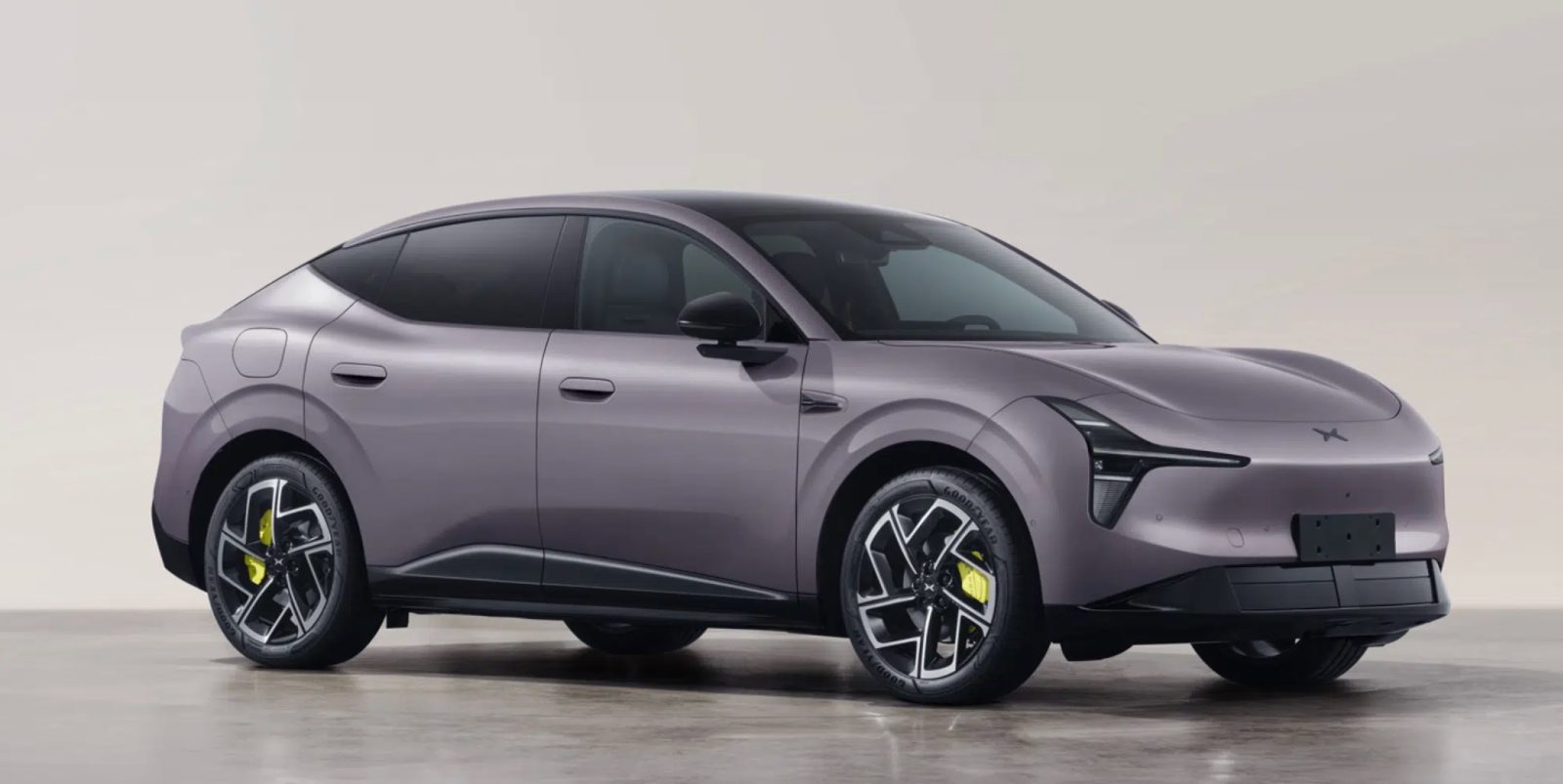
- XPeng formed a "strategic commercialisation team" roughly six months ago to license its self-driving stack, smart cockpit, in-house Turing AI chips, ADAS, robotaxi, and humanoid-robot work to automakers, suppliers, and software firms, with interested parties already making contact.
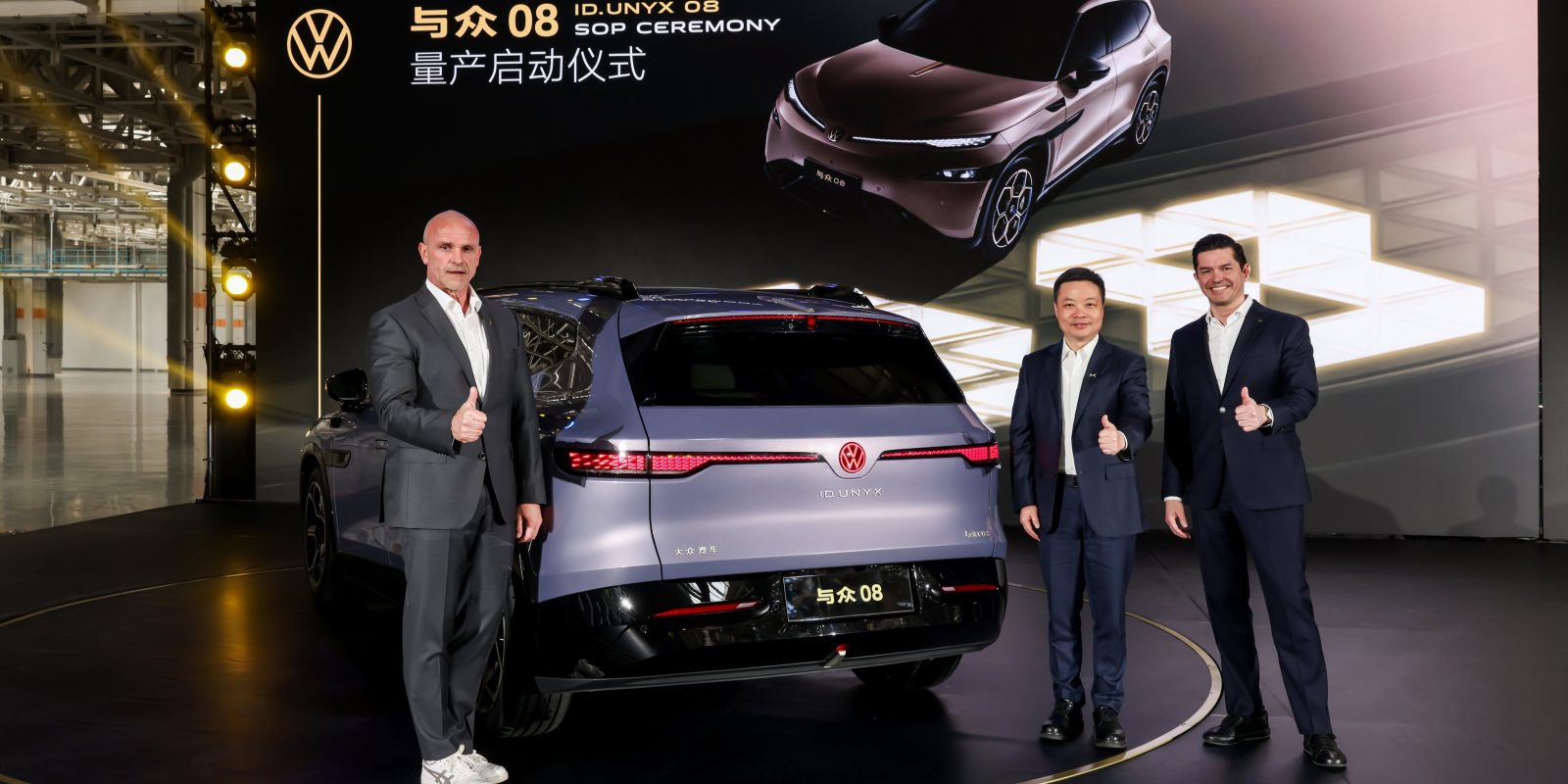
- Volkswagen's 2023 $700M investment in XPeng (4.99% stake) produced the jointly developed ID.UNYX 08 EV, which entered mass production in March 2026 running XPeng's tech — driving XPeng's service revenue up 93.9% year-over-year to ~$400M in Q2 2026 and lifting XPEV ~3% on the Reuters report (stock still down ~47% YTD).
- Tesla and Elon Musk have tried to license FSD since 2021 without a signed deal: Musk floated "preliminary discussions" in 2021, said Tesla was "happy to license" after a 2023 Ford charging deal, claimed April 2024 talks with "one major automaker," and admitted on X in November 2024 that "they don't want it!"
- Ford CEO Jim Farley publicly said "Waymo is better," and legacy automakers reportedly demanded Tesla absorb crash liability for licensed FSD — terms Musk called unworkable.
- XPeng's self-driving system keeps radar and ultrasonics as a separate, redundant safety layer for automatic emergency braking and steering, even though cameras do the driving — a contrast with Tesla's pure-vision approach that removed those sensors entirely, per XPeng head of AI Dr. Xianming Liu.
- Geopolitics caps the upside: US and European automakers licensing Chinese autonomous-driving software and AI chips is "a hard sell" amid data-security reviews and tariffs, so the near-term buyers are likely other Chinese brands, emerging-market automakers, and suppliers rather than Detroit or Wolfsburg rivals.
Why it matters: XPeng has what Tesla doesn't: a paying reference customer mass-producing cars on its stack (VW's ID.UNYX 08) and a hardware-redundancy story that makes a vision-led system easier to underwrite, while Tesla has zero signed FSD licensing deals after five years and still can't point to an unsupervised product delivered to owners who paid for it. The gap isn't vision — it's execution, liability terms, and willingness to be a supplier rather than the platform.
Ask SkimNews