Mercedes’ new GLC 400 EV crushes range estimates, driving nearly 400 miles — SkimNews
Get the Energy newsletter
Daily energy & climate — solar, EVs, oil, the policy fights and tech bets shaping the transition. Free.
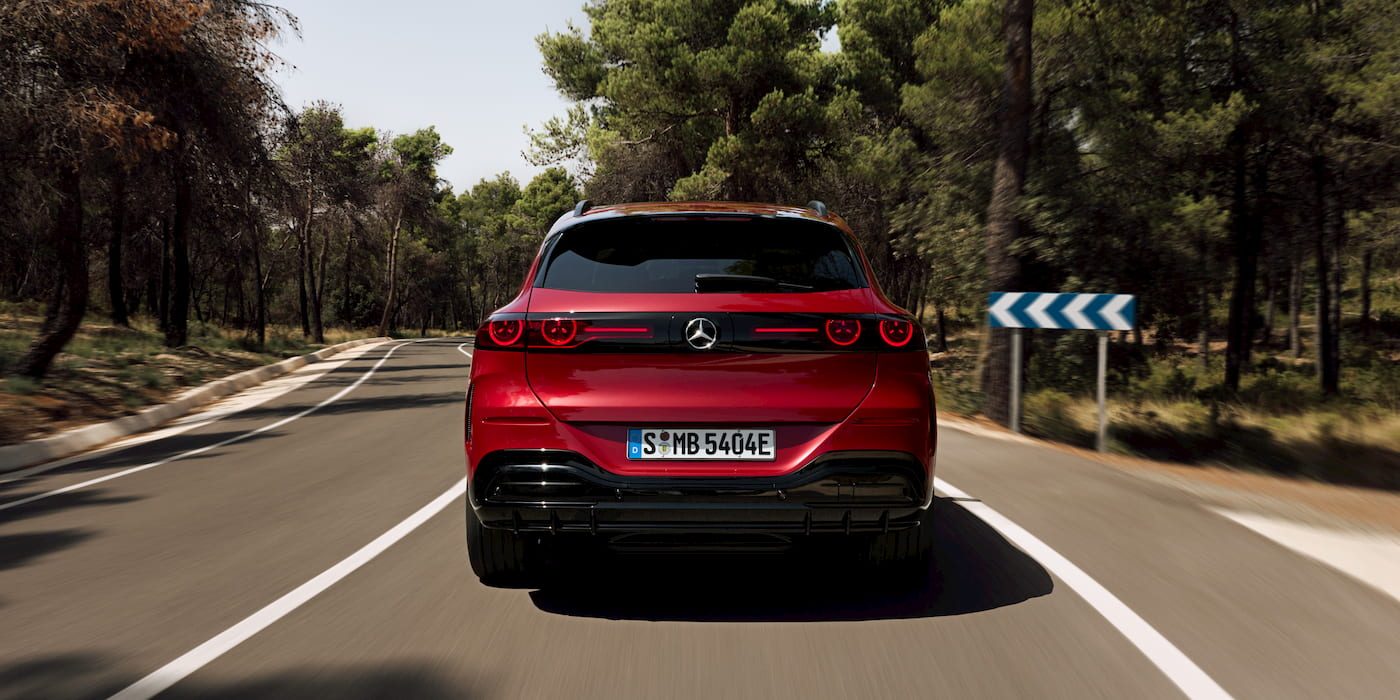
- Mercedes-Benz GLC 400 4Matic EV traveled 392 miles in Edmunds' real-world range test — 18% more than its 331-mile EPA estimate — and consumed 28.4 kWh per 100 miles, about 14% below the EPA's 33 kWh figure.
- 2027 Volvo EX60 P10 AWD covered 352 miles, the 2025 Cadillac Optiq managed 339 miles, and the 2027 Audi Q6 E-Tron Prestige hit 337 miles in the same test, all trailing the Mercedes.
- Edmunds' test protocol runs 60% city / 40% highway driving at an average 40 mph with climate control set to 72°F on auto, designed to reflect typical daily use rather than EPA highway-leaning cycles.
- Mercedes did not publicly disclose DC fast-charging results, but the GLC 400's 94 kWh battery supports up to 330 kW charging, with the automaker claiming a 10%–80% top-up in roughly 22 minutes.
- Chris M, the article's top commenter, argued these results are expected rather than surprising, noting Edmunds' average speed is lower than the EPA's, so most EVs gain range in their test rather than truly "beating" EPA numbers.
- The 300+ mile EV segment has grown from a single 2016 model (Tesla Model S 90D) to roughly 60 by the end of 2026, though a BMW Group-cited study found only 18% of Americans actually want 400+ miles, while 73% say 75 miles covers their daily drive.
Why it matters: Mercedes can market a 392-mile real-world result as a tangible advantage over rivals like the Volvo EX60, Cadillac Optiq, and Audi Q6 E-Tron, which all trailed by 40+ miles in the same test. But the top commenter's methodology critique undercuts the headline takeaway: Edmunds' slower average speed tends to inflate ranges versus EPA highway-heavy cycles, meaning every tested EV looks better-than-EPA. For shoppers, the 18% gap shows real-world experience can substantially exceed window-sticker estimates.
Ask SkimNews