Scientists ID SLC35F2 as Queuosine Transporter — SkimNews

Get the Health newsletter
Daily health & science — research, biotech, public health, the studies worth knowing. Free.
- Researchers identified the SLC35F2 gene as the cellular transporter for queuosine, solving a puzzle scientists had pursued for over 30 years, according to a study published in the Proceedings of the National Academy of Sciences.
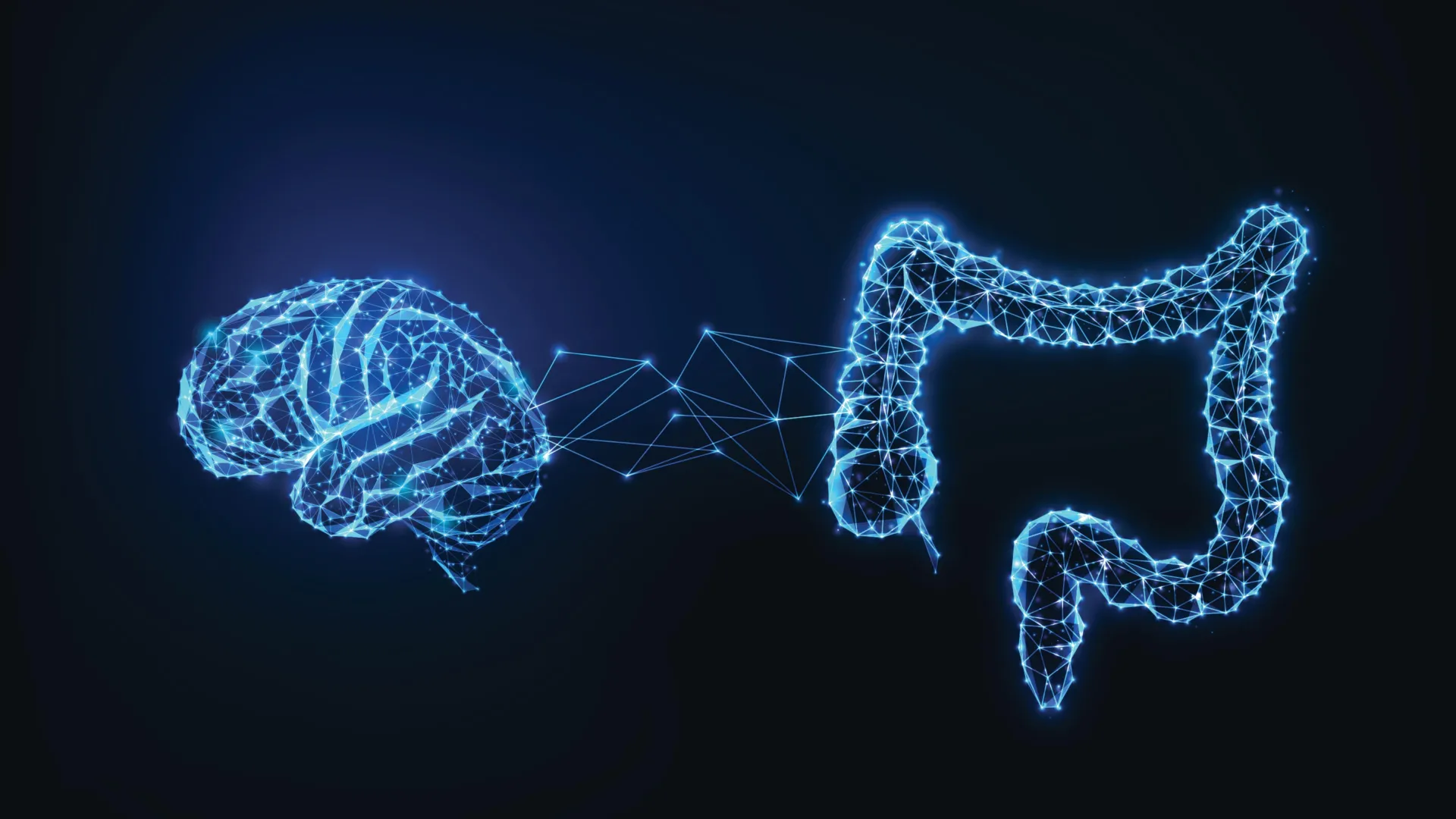
- Queuosine, a vitamin-like compound the body cannot produce on its own, comes from food and gut bacteria and plays a role in brain health, memory, stress response, and cancer defense, the University of Florida team reported.
- Valérie de Crécy-Lagard, a UF/IFAS microbiology distinguished professor and study co-lead, said: "For over 30 years, scientists have suspected that there had to be a transporter for this nutrient, but no one could find it."
- SLC35F2 had previously been studied only for its role in letting viruses and certain cancer drugs into cells — its normal function in healthy biology was unclear until now, de Crécy-Lagard explained.
- The nutrient works by modifying transfer RNA, fine-tuning how cells interpret DNA and build proteins — what de Crécy-Lagard called "a nutrient that fine-tunes how your body reads your genes."
- The international team was led by the University of Florida and Trinity College Dublin, with collaborators from San Diego State and Ohio State, and was funded by the NIH, Research Ireland, and Health and Social Care in Northern Ireland.
Why it matters: Researchers now have a concrete molecular handle on a pathway linking diet and gut microbes to brain function, stress response, and cancer defense — potentially enabling therapies that boost queuosine uptake. The finding also reframes a gene previously known mainly as a viral and drug entry point as a legitimate piece of human nutritional biology.
Ask SkimNews