India Plans $900 bn Coal‑to‑Renewables Transition — SkimNews
Get the Energy newsletter
Daily energy & climate — solar, EVs, oil, the policy fights and tech bets shaping the transition. Free.
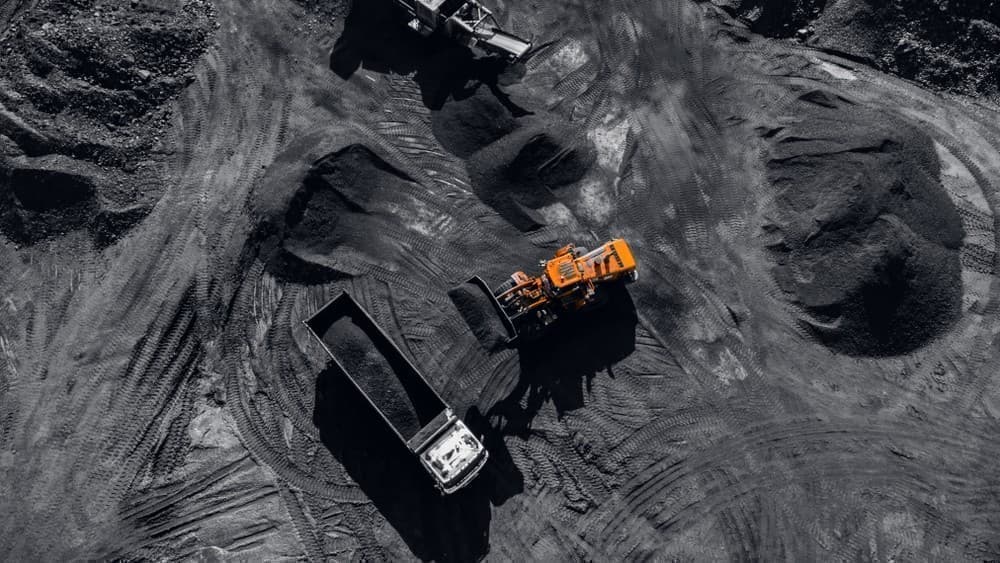
- India relies on coal for roughly three‑quarters of its energy mix, making it the dominant source of energy security.
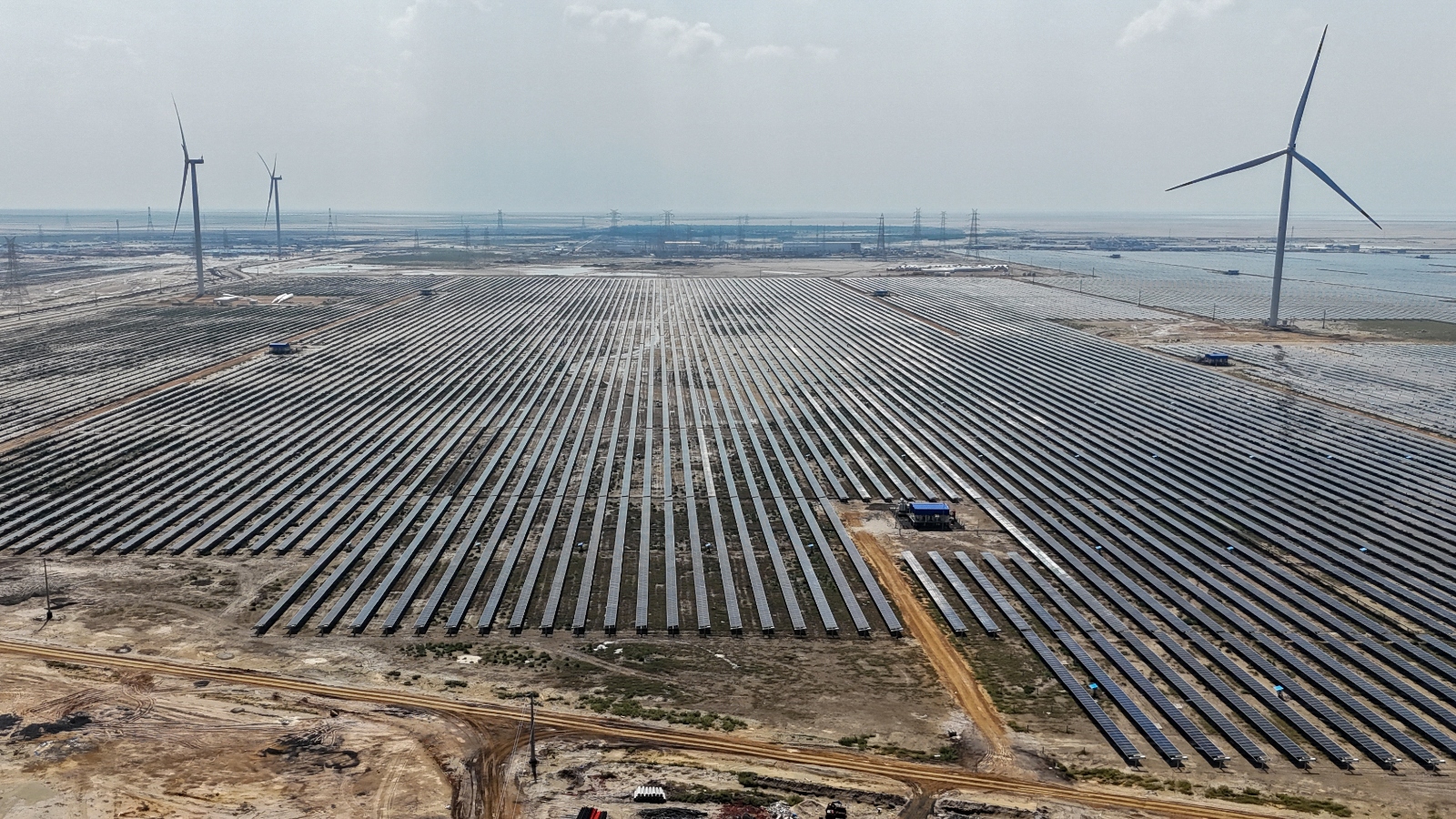
- India' solar capacity surged from 4 GW to 140 GW in the past decade, and the country is on track for 500 GW of renewable capacity by 2030.
- iFOREST calculated that a just transition away from coal will cost $900 billion over 30 years—$600 billion for new industries and infrastructure and $300 billion for grants and subsidies to support coal workers.
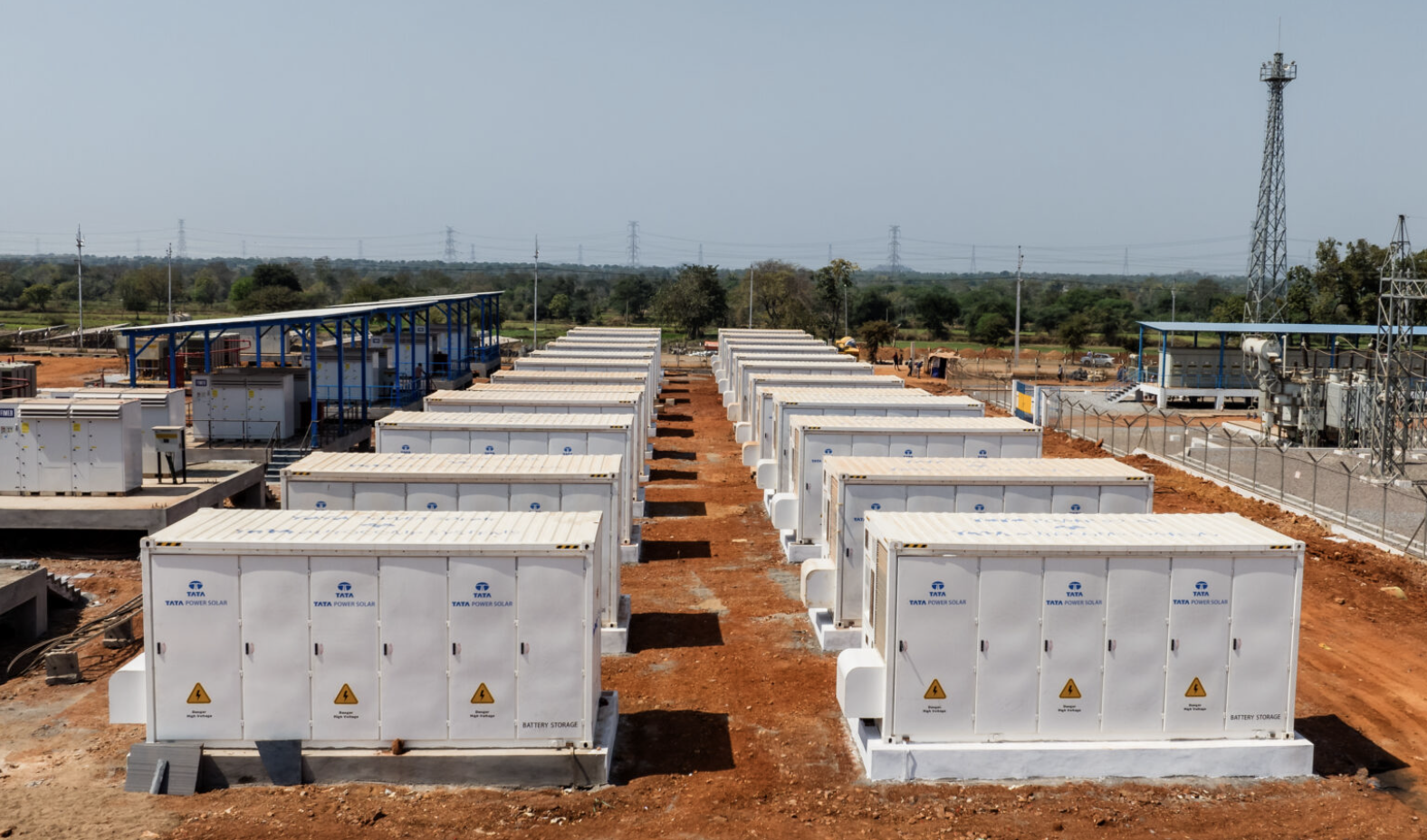
- Dr. Faruk Patel, chairman of the KP Group, said India will add 100 GW of coal capacity in the next five years while also building 250 GW of renewable energy and investing in battery storage.
- India faces grid‑capacity constraints that require massive upgrades and reinforcement to integrate more solar and wind without causing outages.
- Guardian notes that closing the energy‑access gap remains a top priority for successive Indian governments, underscoring the link between energy security and poverty alleviation.
Why it matters: The $900 billion price tag means the Indian government and investors must mobilize unprecedented capital, while millions of coal workers risk job loss without the $300 billion safety net; consumers and industry stand to gain from a more reliable, low‑carbon grid that powers growth.
Ask SkimNews