Japan sets 'extremely high' bar for Gulf warships — SkimNews
Get the Geopolitics newsletter
Daily geopolitics — wars, elections, sanctions, the diplomatic moves that move markets. Free.
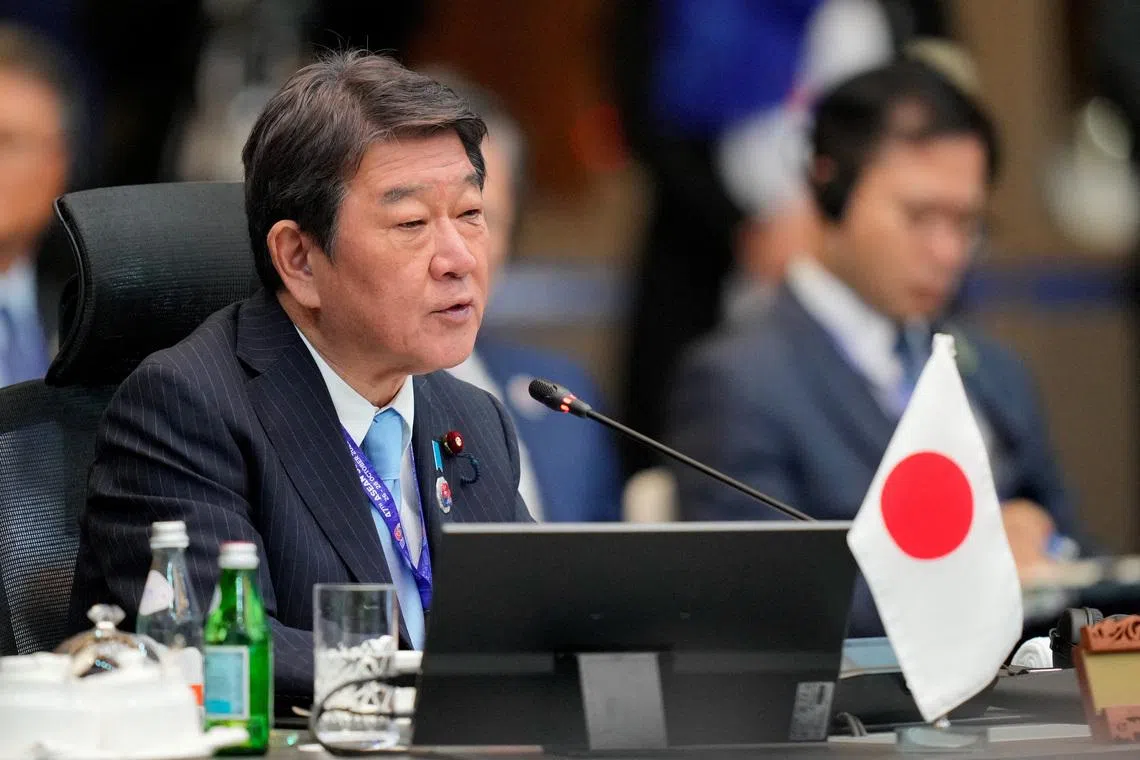
- Takayuki Kobayashi, the Liberal Democratic Party's policy chief, said on NHK on March 15 that the threshold is 'extremely high' for Japan to send warships to the Gulf under existing laws, calling the decision one that 'must be considered with great caution.'
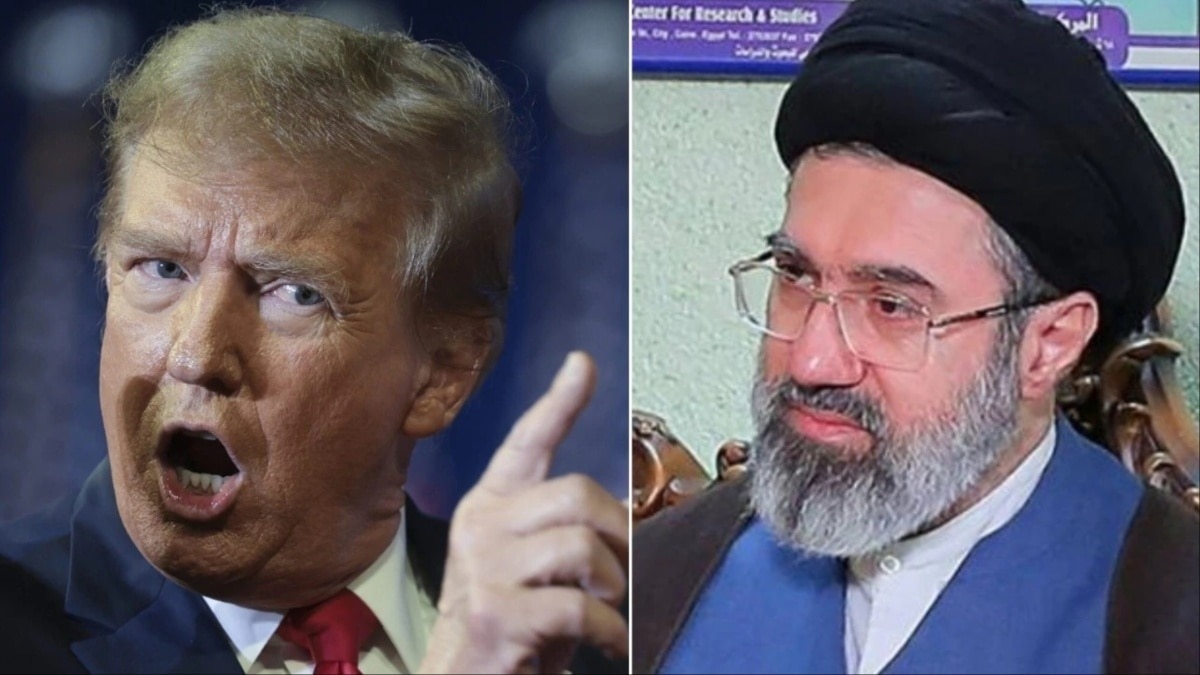
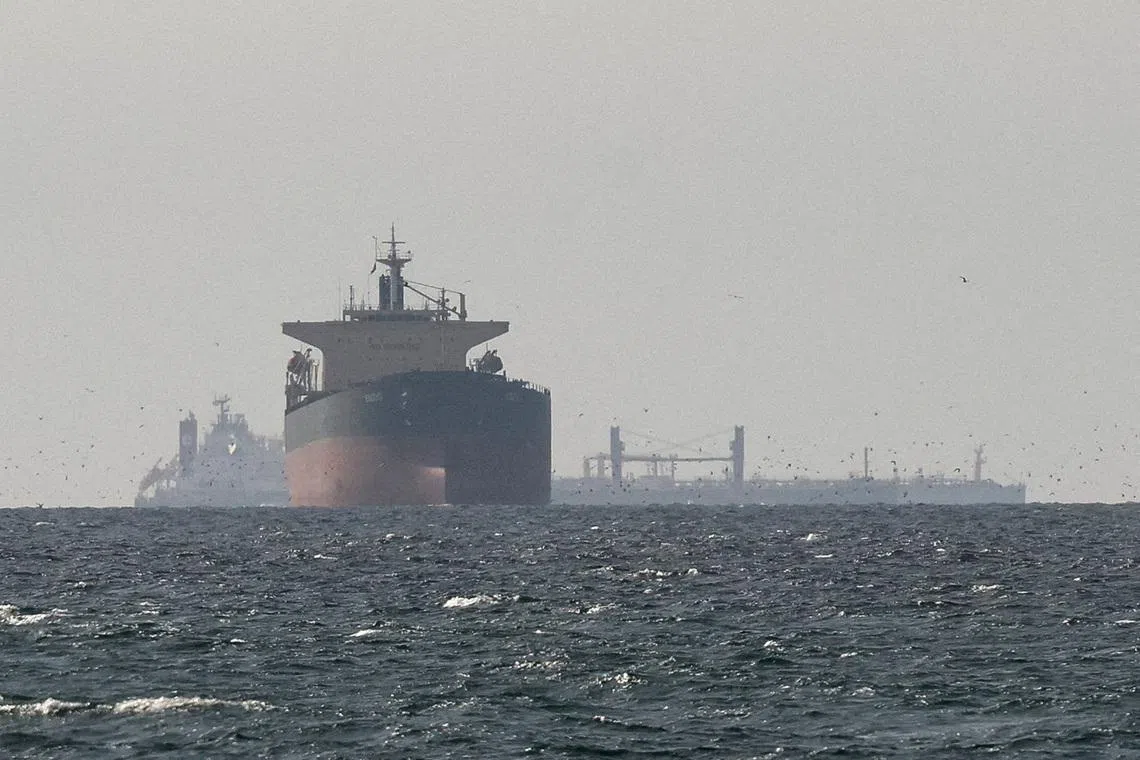
- Trump called on March 14 for reinforcements from countries including Japan to escort tankers through the Strait of Hormuz, having earlier vowed the US Navy would 'very soon' begin doing so itself.
- Japan — the world's No. 4 economy and fifth-largest oil importer — gets 95% of its oil from the Middle East, with 70% passing through the Strait of Hormuz, which the source says is 'now effectively closed' after Iran choked it off.
- PM Takaichi told Parliament last week 'nothing has been decided' on dispatching warships and is expected to visit Washington this week to meet Trump, with Asia-Pacific security and the Iran war both on the agenda.
- Japan's 1947 constitution, a US-imposed, war-renouncing document, makes deploying Self-Defence Forces abroad politically sensitive, a constraint Kobayashi cited as the reason for caution even while leaving the legal option technically open.
- US troops reportedly being sent to the Gulf from bases in Japan and South Korea prompted Kobayashi to flag the need for Tokyo and Washington to ensure 'no vacuum in the security framework of East Asia.'
Why it matters: Japan is signaling it will not automatically follow Trump's call, citing legal and constitutional constraints — even though 70% of its oil transits the Strait of Hormuz. The harder subtext Kobayashi raised is what US troop redeployments from Japanese bases to the Gulf mean for the East Asian security architecture Tokyo relies on.
Ask SkimNews