Stem cells reverse stroke damage in mice — SkimNews
Get the Health newsletter
Daily health & science — research, biotech, public health, the studies worth knowing. Free.
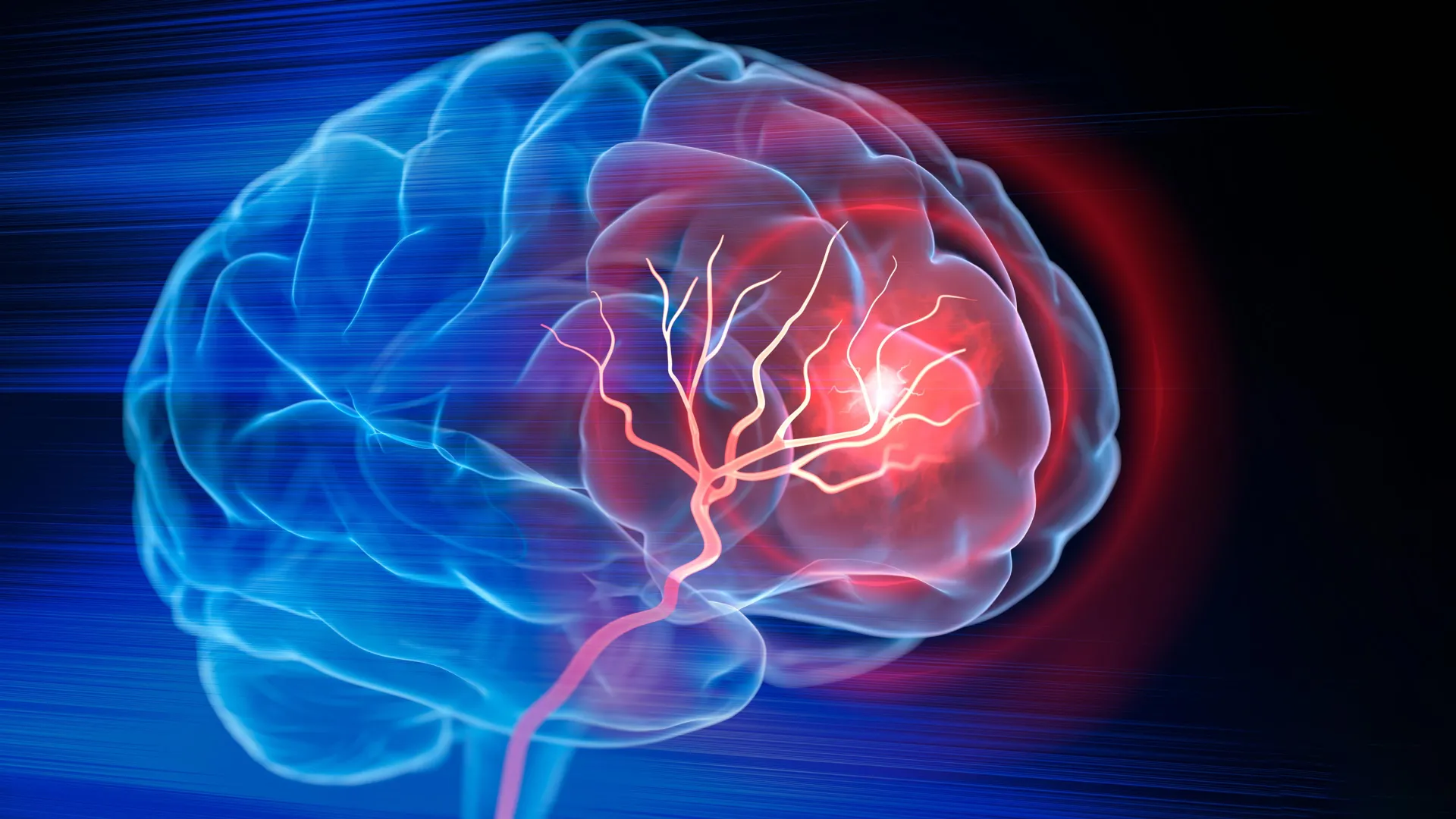
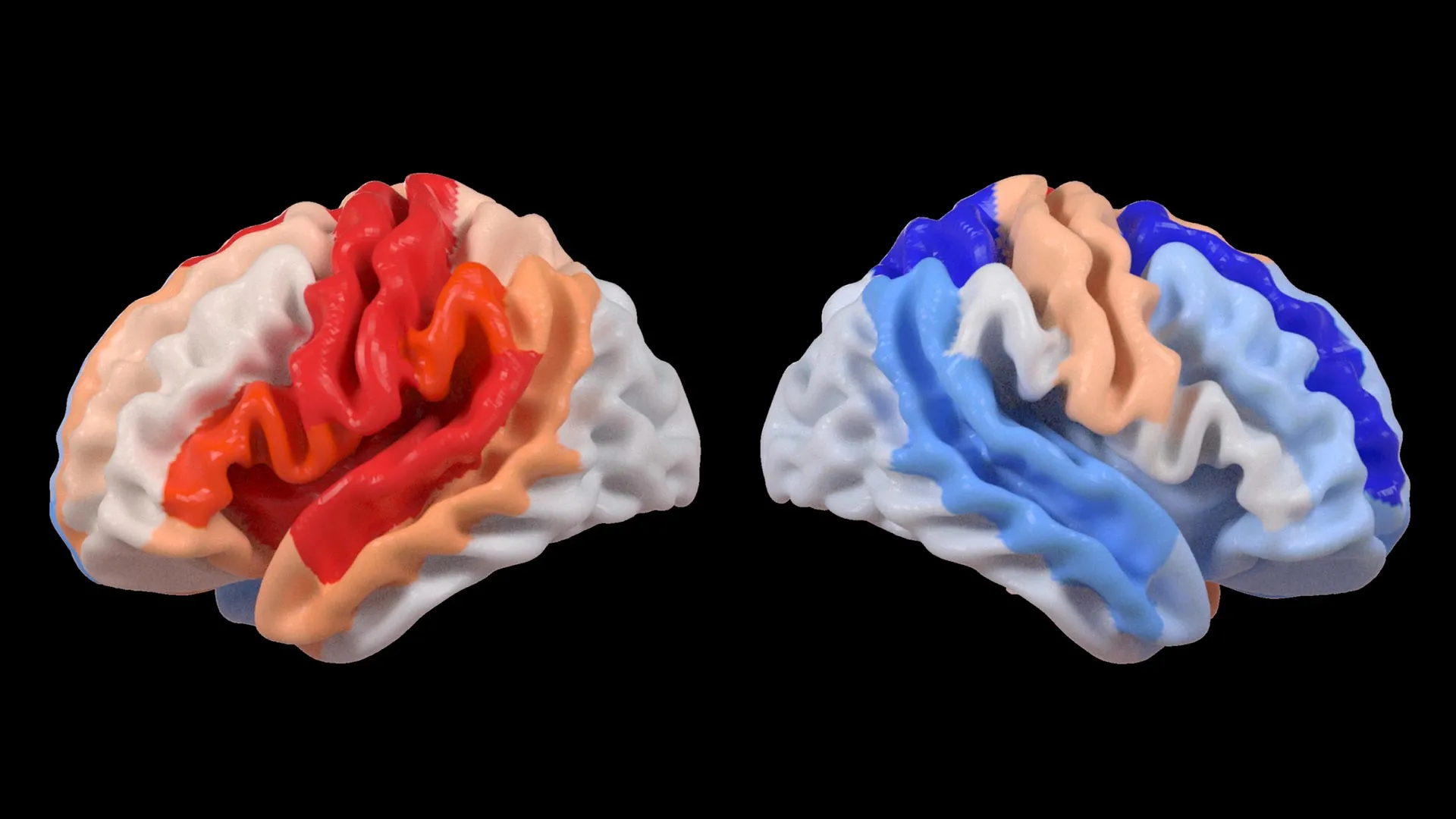
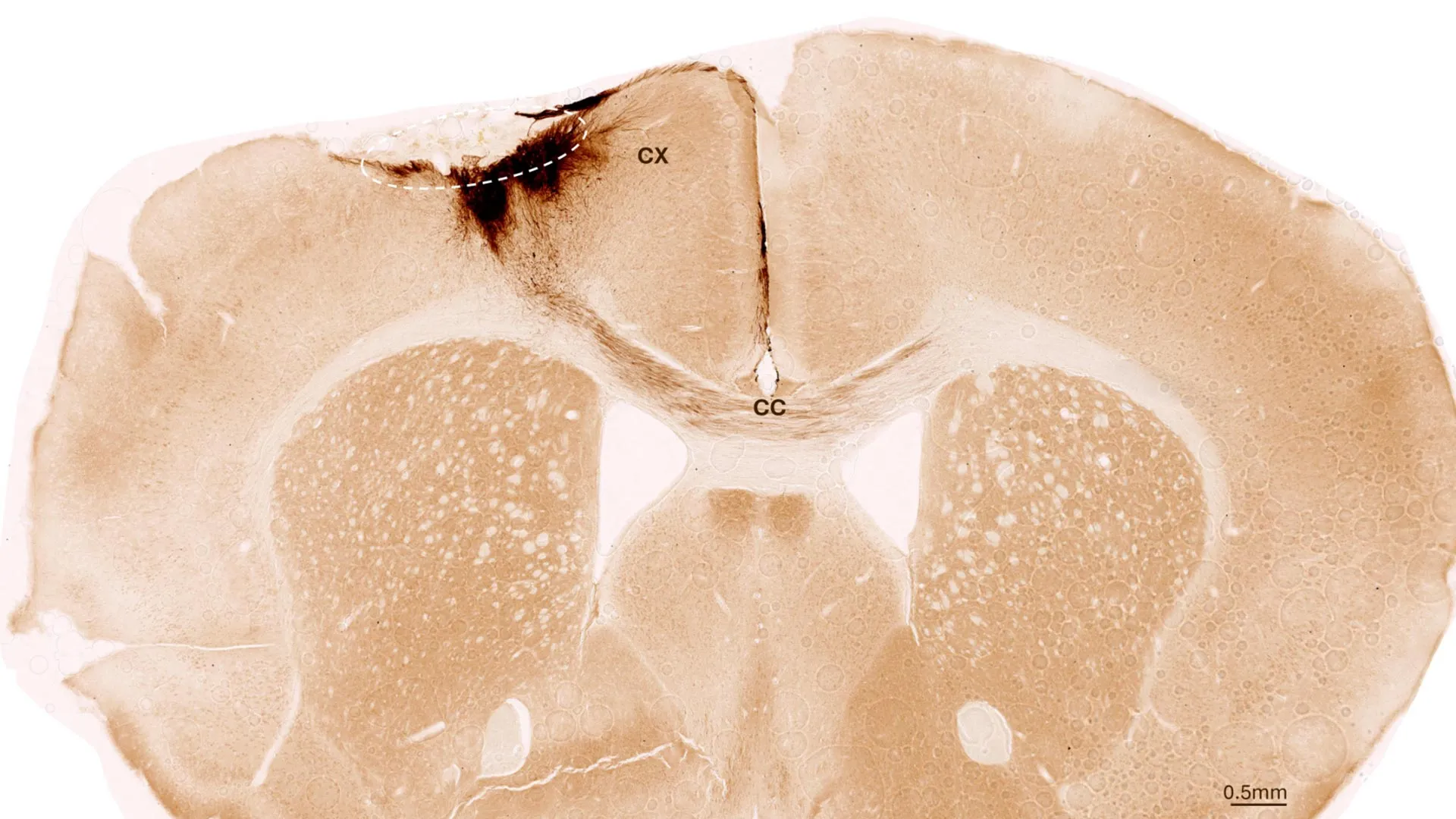
- University of Zurich researchers (Christian Tackenberg and Rebecca Weber) found neural stem cell transplants reversed stroke-induced motor impairments in mice, with new neurons integrating into existing brain networks over a five-week analysis period.
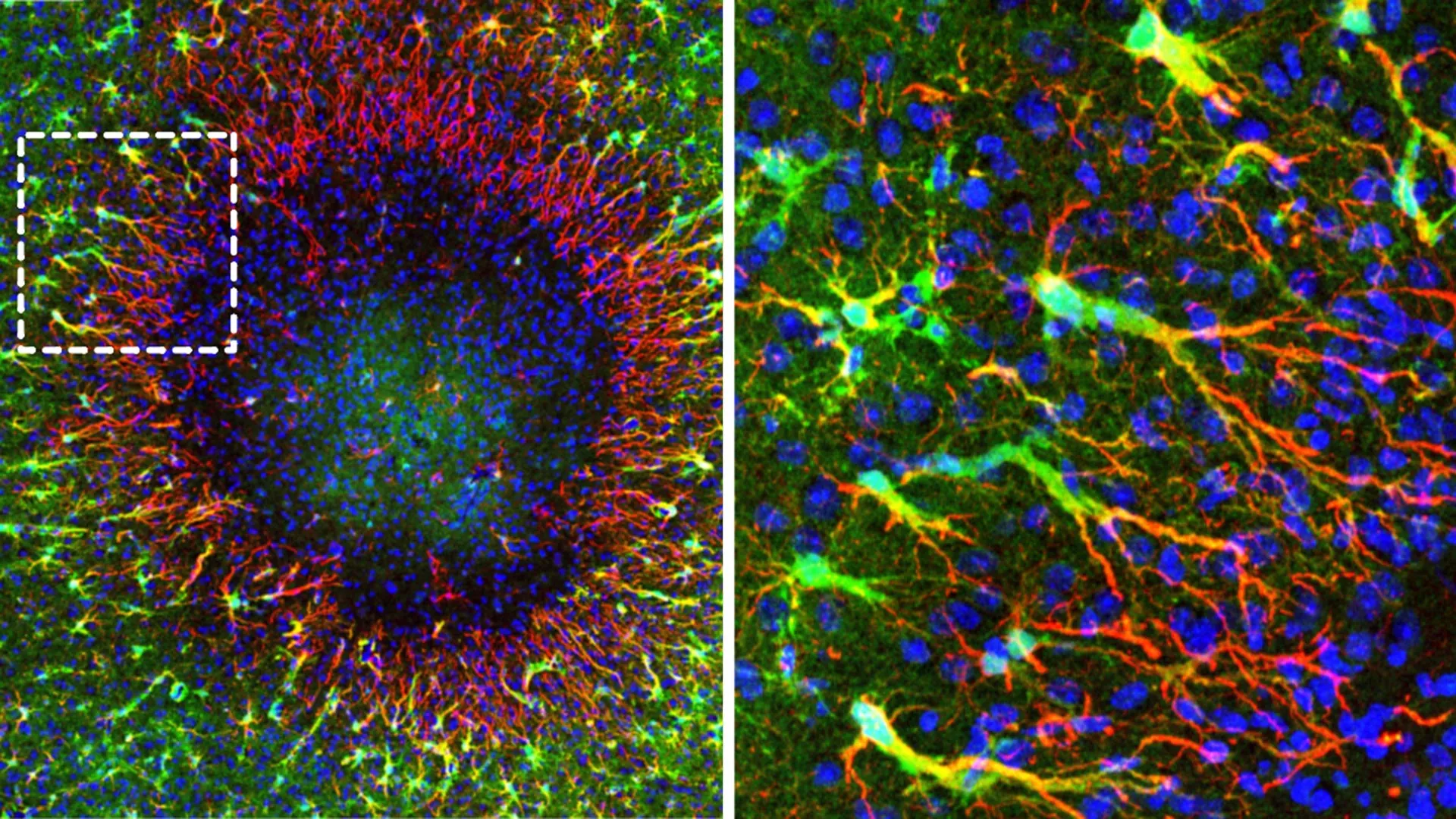
- The transplanted human cells, derived from induced pluripotent stem cells, survived for the full five weeks and most transformed into neurons that communicated with the host brain's existing cells — a connection researchers measured using imaging and biochemical analyses.
- Beyond replacing neurons, the treatment triggered broader repair: new blood vessel formation, reduced inflammatory processes, and improved blood-brain barrier integrity in the damaged tissue.
- Researchers discovered the transplant worked better when performed one week after a stroke rather than immediately, a delay that could make the approach far more practical clinically by giving doctors time to prepare the therapy.
- The team produced the stem cells without animal-derived reagents in collaboration with Kyoto University's Center for iPS Cell Research and Application (CiRA), aiming to reduce safety and regulatory complications for eventual human use.
- Tackenberg's group is developing a safety switch to prevent uncontrolled stem cell growth and an endovascular injection method that would deliver cells through blood vessels instead of requiring direct brain grafts.
- Initial clinical trials using induced stem cells to treat Parkinson's disease are already underway in Japan, and Tackenberg said stroke could be the next disease for which a clinical trial becomes possible.
Why it matters: Stroke affects roughly one in four adults over a lifetime, and the source notes about half of survivors are left with lasting disabilities like paralysis or speech problems — with no existing treatment capable of rebuilding lost brain tissue. The University of Zurich team, working with Kyoto University's CiRA and the University of Southern California, is now positioning stroke as a candidate for induced stem cell trials alongside the Parkinson's trials already underway in Japan.
Ask SkimNews