Disrupting Bacterial Signals Reshapes Dental Plaque — SkimNews

Get the Health newsletter
Daily health & science — research, biotech, public health, the studies worth knowing. Free.
- University of Minnesota researchers published a 2025 study in npj Biofilms and Microbiomes showing that disrupting N-acyl homoserine lactone (AHL) quorum-sensing signals shifted dental plaque communities toward health-associated bacteria rather than killing microbes outright.
- The team used lactonases — enzymes that break down AHL signaling molecules — to interfere with bacterial "conversations," changing which species thrived within plaque, with effects observed in both aerobic and anaerobic conditions.
- Lead author Rakesh Sikdar reported that oxygen availability fundamentally changes the outcome: blocking AHL signals in aerobic conditions (above the gumline) favored health-associated bacteria, while adding AHLs under anaerobic conditions (below the gumline) promoted disease-linked late colonizers such as Porphyromonas gingivalis.
- Senior author Mikael Elias, associate professor in the College of Biological Sciences, compared dental plaque to a forest ecosystem in which "pioneer species" like Streptococcus and Actinomyces represent the healthy stage, while "red complex" bacteria such as P. gingivalis mark progression toward periodontal disease.
- The researchers explicitly framed their long-term goal as moving beyond broad antimicrobial treatments, instead pursuing enzyme-based strategies that "strategically maintain a healthy microbial balance" to prevent gum disease.
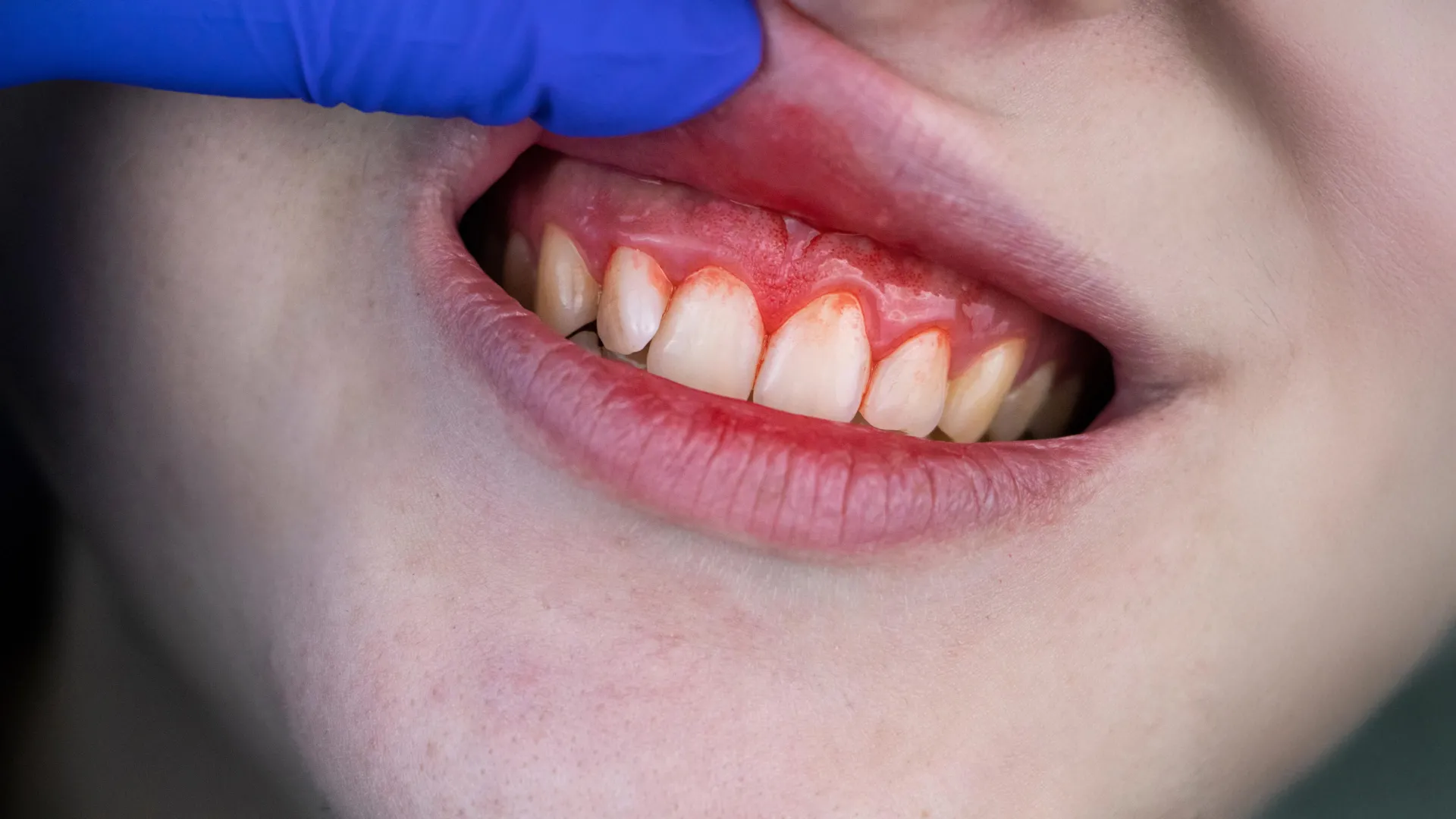
- The article positions the work as a potential foundation for therapies beyond dentistry, noting that similar "microbiome dysbiosis" has been associated with health conditions elsewhere — though clinical applications remain a long-term prospect.
- The research was funded by the National Institutes of Health.
Why it matters: An enzyme-based approach could eventually replace broad antimicrobials that destroy beneficial oral bacteria along with harmful ones, offering a targeted route to managing periodontal disease. The oxygen-dependent signaling effect, however, suggests future therapies may need to be tailored to above- and below-gumline environments rather than applied uniformly.
Ask SkimNews