UVA Team Uses Ultrasound to Target Glioblastoma Genes — SkimNews
Get the Health newsletter
Daily health & science — research, biotech, public health, the studies worth knowing. Free.
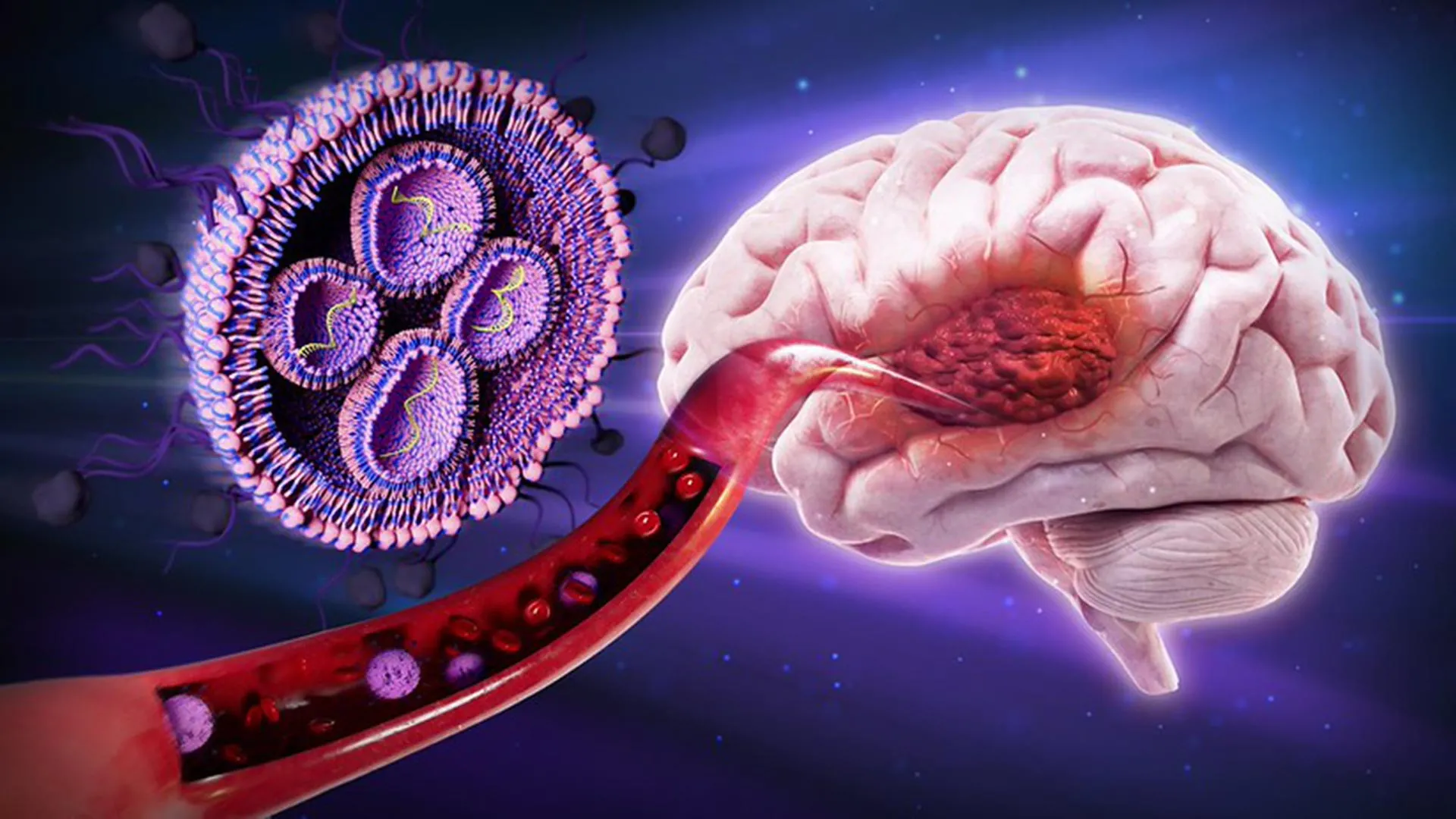
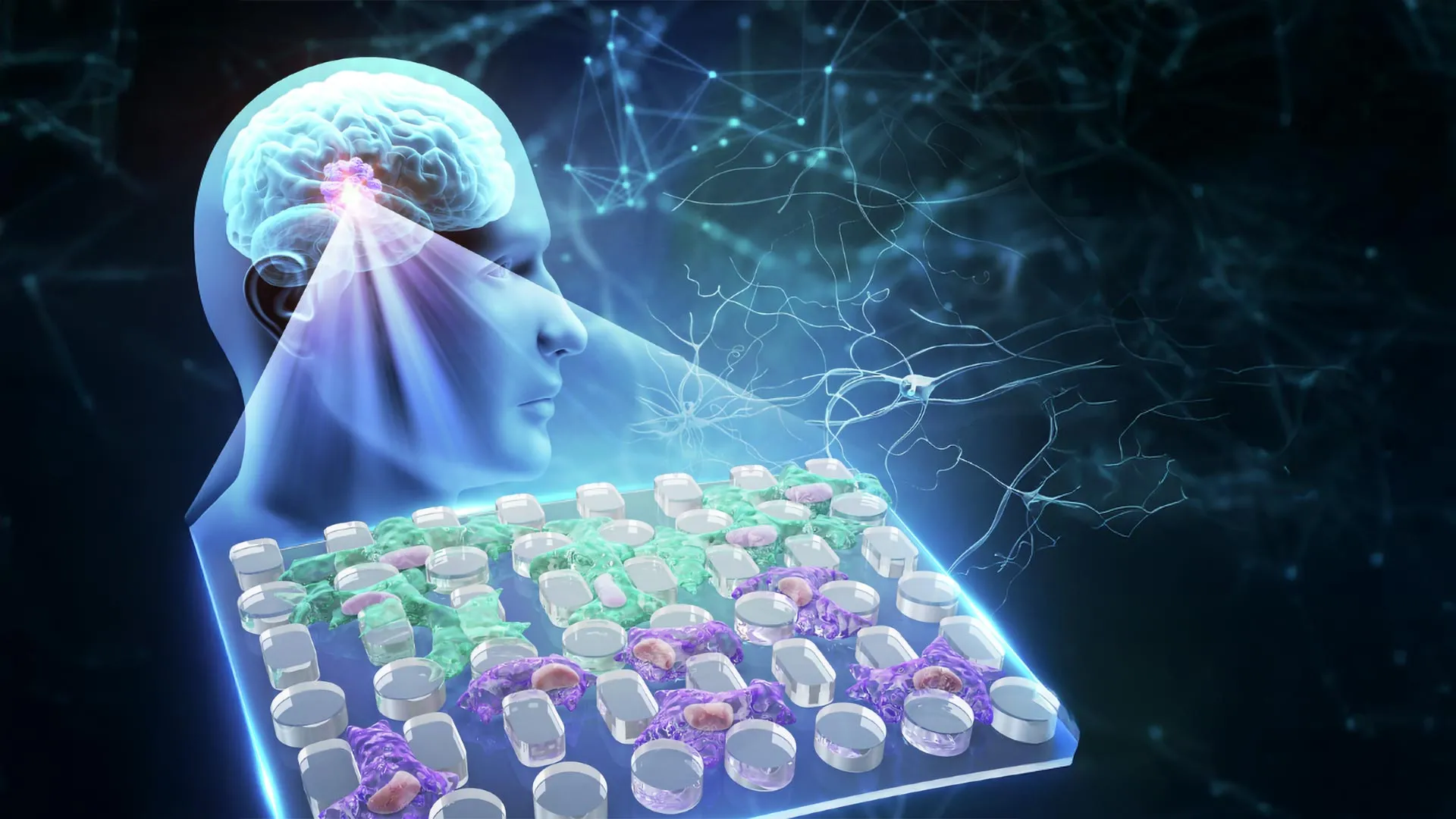
- University of Virginia researchers combined focused ultrasound, microbubbles, and nanoparticles to temporarily open the blood-brain barrier and deliver cancer-fighting microRNAs to glioblastoma tumors in mice, slowing tumor growth and extending survival.
- Roger Abounader and his team identified specific microRNAs capable of suppressing multiple genes involved in glioblastoma development, offering a way to target cancer pathways for which no drugs currently exist.
- UVA Health has expanded its focused ultrasound research through the FUSION Center, the first dedicated to combining focused ultrasound with cancer immunotherapy, supported by the Focused Ultrasound Foundation.
- The study, published in the Journal of Clinical Investigation, demonstrated that the treatment inhibited tumor growth in mouse models of glioblastoma, though it remains experimental and not yet tested in humans.
- Funding for the research came from the National Cancer Institute, National Institute of Neurological Disorders and Stroke, UVA Comprehensive Cancer Center, Schiff Foundation, Ivy Foundation, and the Focused Ultrasound Foundation.
Why it matters: Glioblastoma patients stand to gain from a treatment that can bypass the blood-brain barrier and target multiple cancer-driving genes at once, a shift from single-target drugs that have failed to improve survival meaningfully. This approach could reduce reliance on toxic chemotherapy combinations if proven effective in humans.
Ask SkimNews