UVA Uses Ultrasound to Slow Glioblastoma in Mice — SkimNews

Get the Health newsletter
Daily health & science — research, biotech, public health, the studies worth knowing. Free.
- University of Virginia researchers identified microRNAs that interfere with several genes responsible for glioblastoma’s development and growth, including cancer-driving molecules for which no drugs exist.
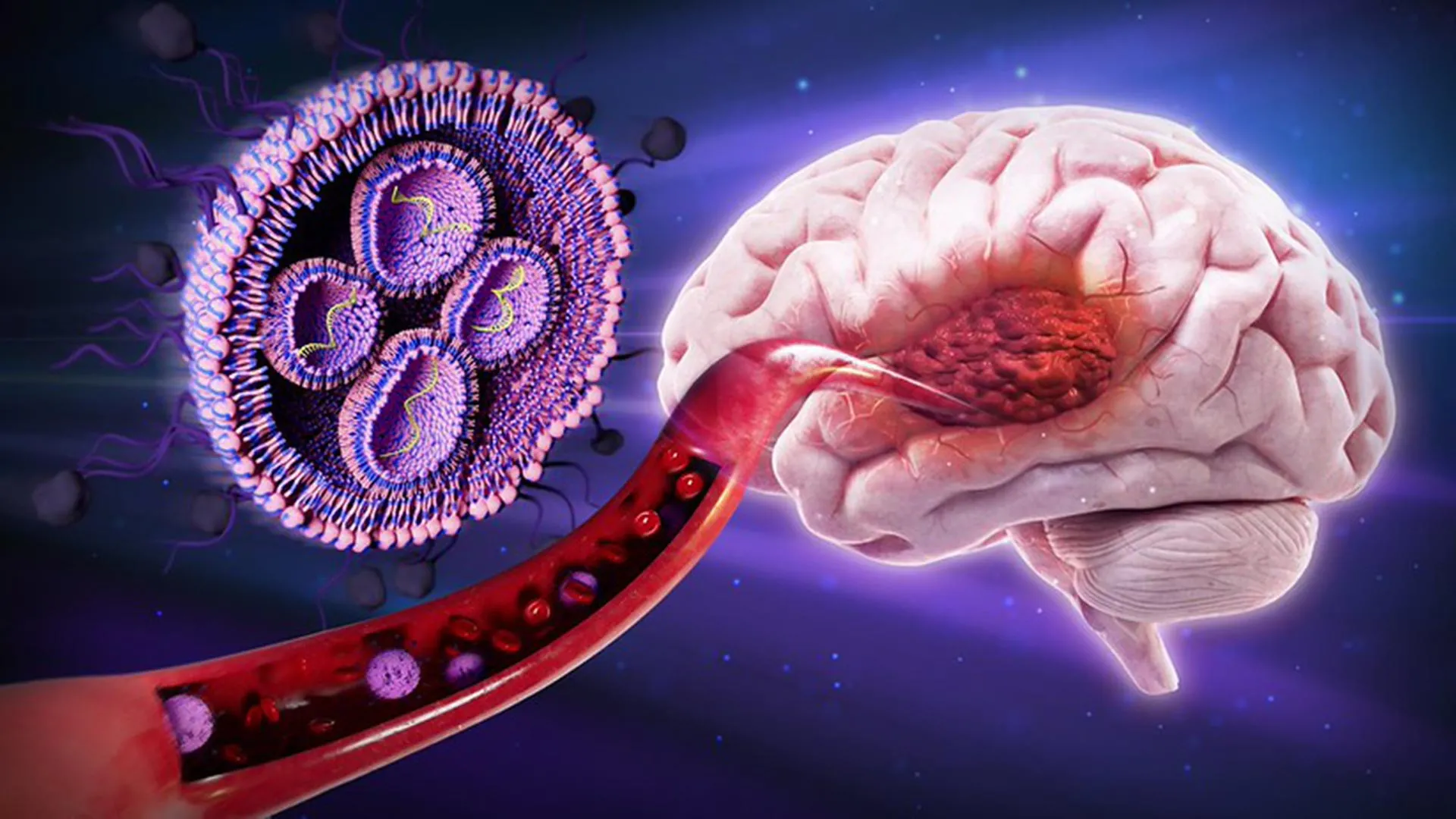
- MRI-guided focused ultrasound worked with microscopic bubbles to temporarily open the blood-brain barrier, allowing nanoparticles carrying the microRNAs to enter the brain.
- The microRNA treatment slowed tumor growth and helped animals survive longer in glioblastoma models, but the strategy remains experimental and has not been evaluated in human patients.
- Roger Abounader said the team hopes to translate the findings into future clinical trials for patients with glioblastoma and other brain tumors.
- Glioblastoma claims more than 13,000 U.S. lives each year; current treatment generally begins with surgery and continues with radiation and chemotherapy, although tumors infiltrate surrounding healthy tissue.
- Journal of Clinical Investigation published the open-access study in 2026; the researchers reported no financial interest, while the National Institutes of Health and Focused Ultrasound Foundation helped fund the work.
Why it matters: More than 13,000 people in the United States die from glioblastoma each year, while UVA’s delivery system has reached only laboratory and animal testing. The concrete advance is one treatment that targets several cancer-driving mechanisms at once—including molecules without available drugs—giving researchers a route to pursue human trials without a separate drug for every pathway.
Ask SkimNews