VLCC Rates to Asia Hit Highest Level Since 2005 — SkimNews

Get the Energy newsletter
Daily energy & climate — solar, EVs, oil, the policy fights and tech bets shaping the transition. Free.
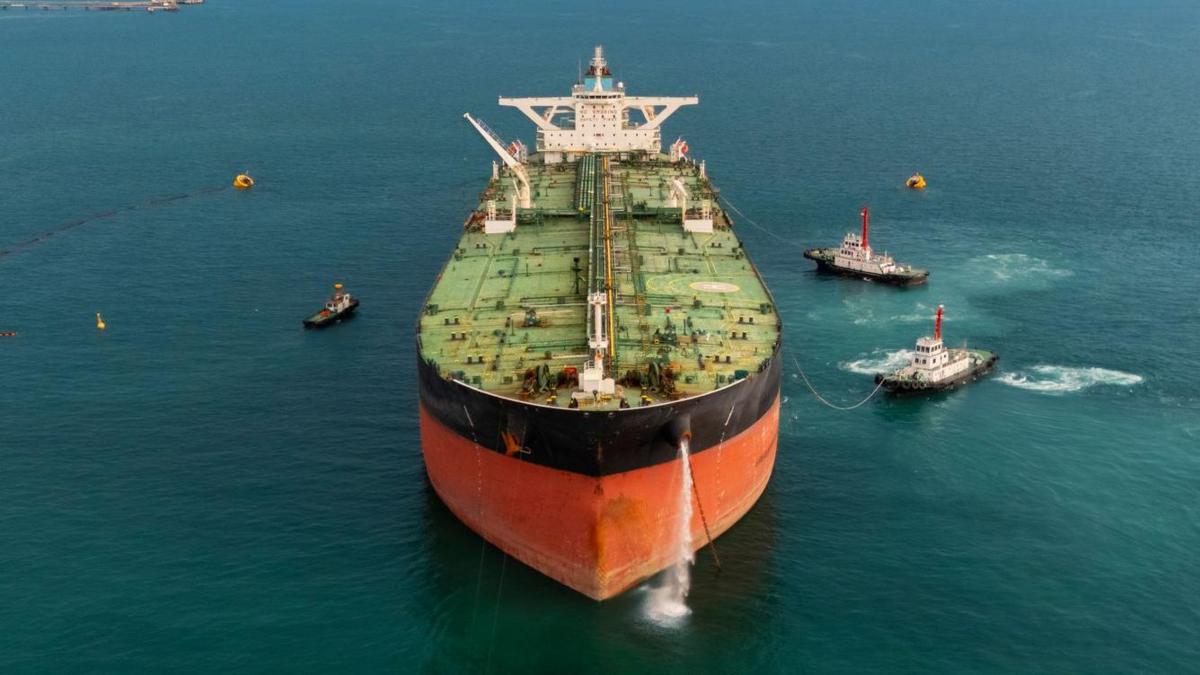
- VLCC rates from the Middle East to Asia hit their highest level since at least November 2005 — the earliest date with comparable data — in March 2026, following Iran's March 2 closure of the Strait of Hormuz.
- War risk insurance costs and the physical threat of attacks on transiting vessels pushed Middle East Gulf crude oil tanker rates to all destinations to record highs, not just the Asia lane.
- Loaded vessels confined in the Persian Gulf reduced global tanker availability, removing capacity from the market and further inflating rates.
- U.S. Gulf Coast crude oil tanker rates also hit record highs as surging demand coincided with fewer vessels available for shipment from the Americas.
- Clean tanker and natural gas carrier rates rose in parallel with the crude oil disruption, broadening the impact beyond dirty crude.
- U.S. Department of Homeland Security issued a temporary Jones Act compliance waiver on March 17, which the source flags as a potential lever for shifting global shipping and tanker availability.
Why it matters: A chokepoint that handles a major share of seaborne crude has effectively been shut, and the cost is rippling across every tanker route — not just Middle East-to-Asia — with U.S. Gulf Coast rates also hitting records. The federal Jones Act waiver shows U.S. regulators already reshaping domestic shipping rules to cope with the squeeze.
Ask SkimNews