Noaa Confirms El Niño Arrival, Warns of Historic Strength — SkimNews
SkimNews Take
Each successive El Niño now lands on a warmer baseline, meaning a "super" event in 2027 may deliver what merely strong events produced a decade ago — the ceiling keeps rising while the vocabulary of extreme stays fixed.
Get the Energy newsletter
Daily energy & climate — solar, EVs, oil, the policy fights and tech bets shaping the transition. Free.
- NOAA officially confirmed El Niño has arrived, putting a 63% chance on it ranking among the largest events in the historical record going back to 1950, with the phenomenon expected to peak in the fall or winter.
- "Super" El Niño events — defined by sea surface temperatures spiking at least 2C above norm — have occurred only a few times since 1950, and only once have temperatures surged past 2.5C.
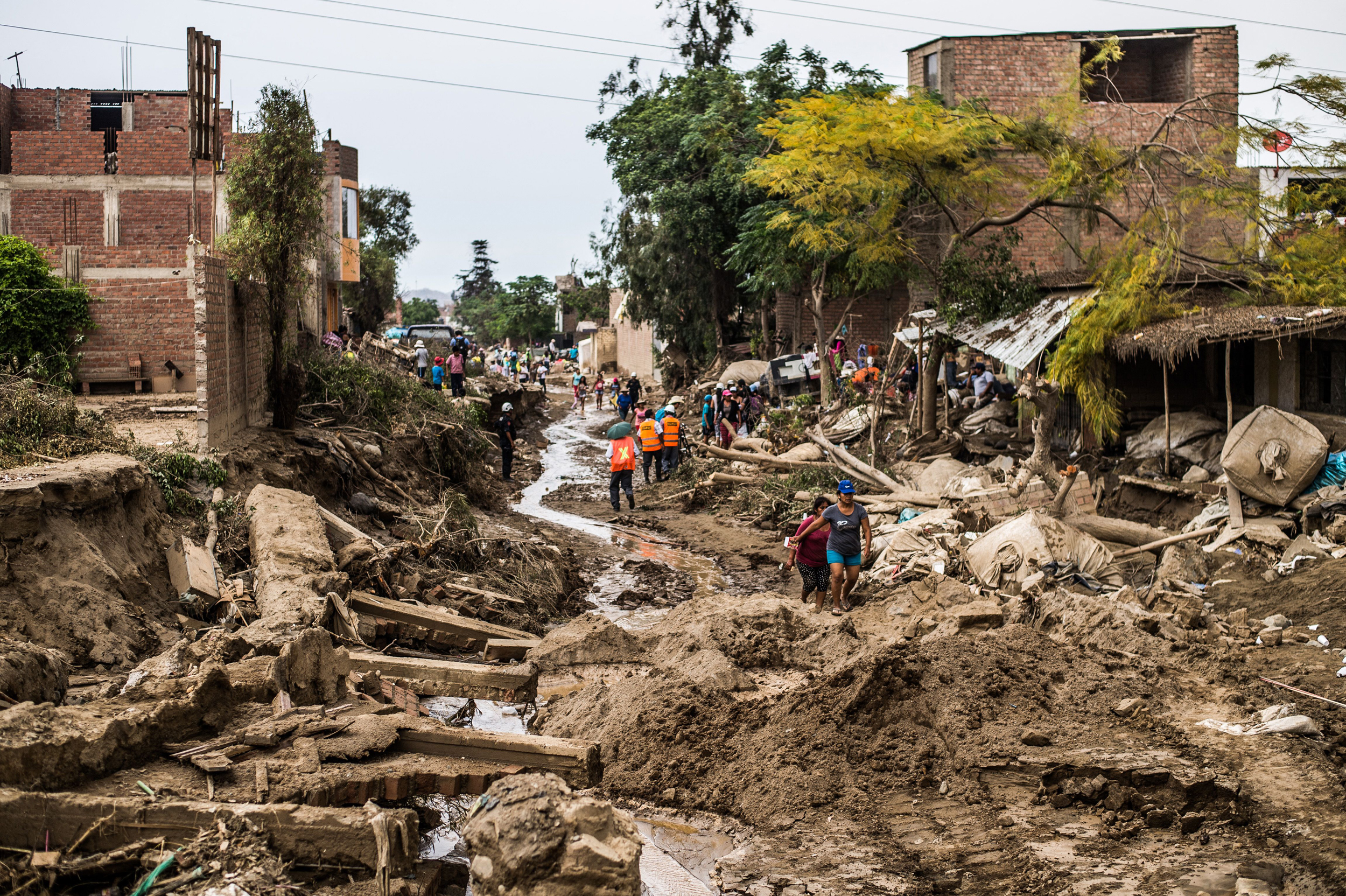
- The 2015 super El Niño caused severe drought in Ethiopia, water supply shortages in Puerto Rico, and a record-breaking hurricane season in the central north Pacific, per US federal scientists.
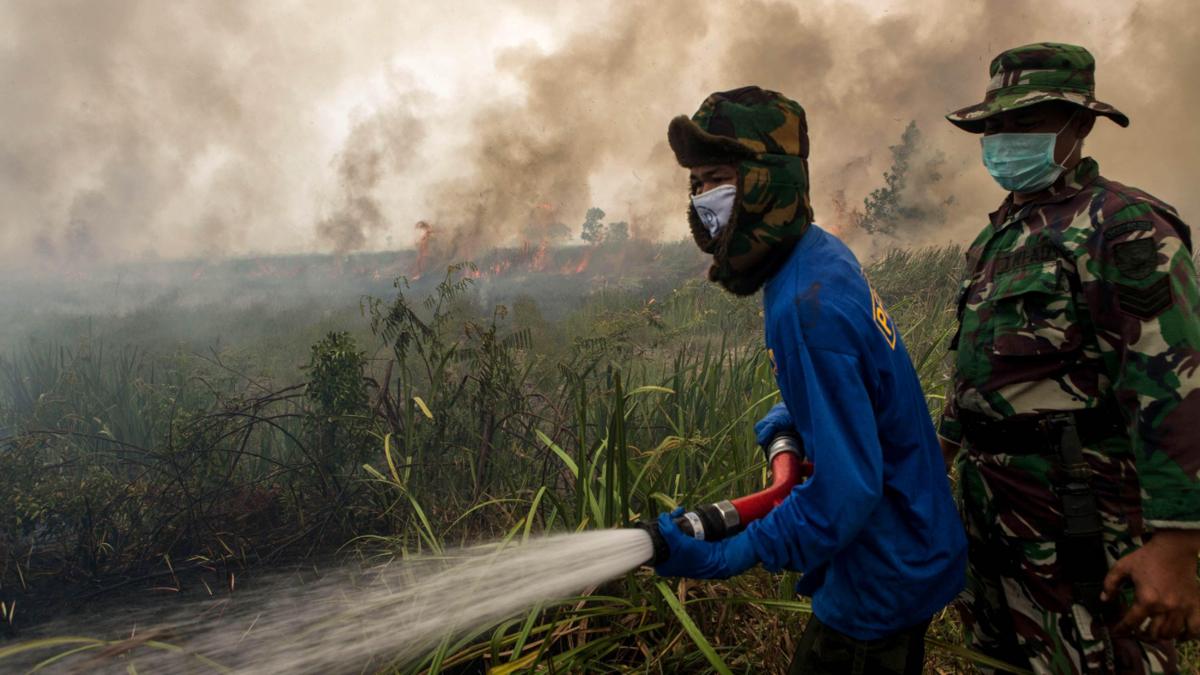
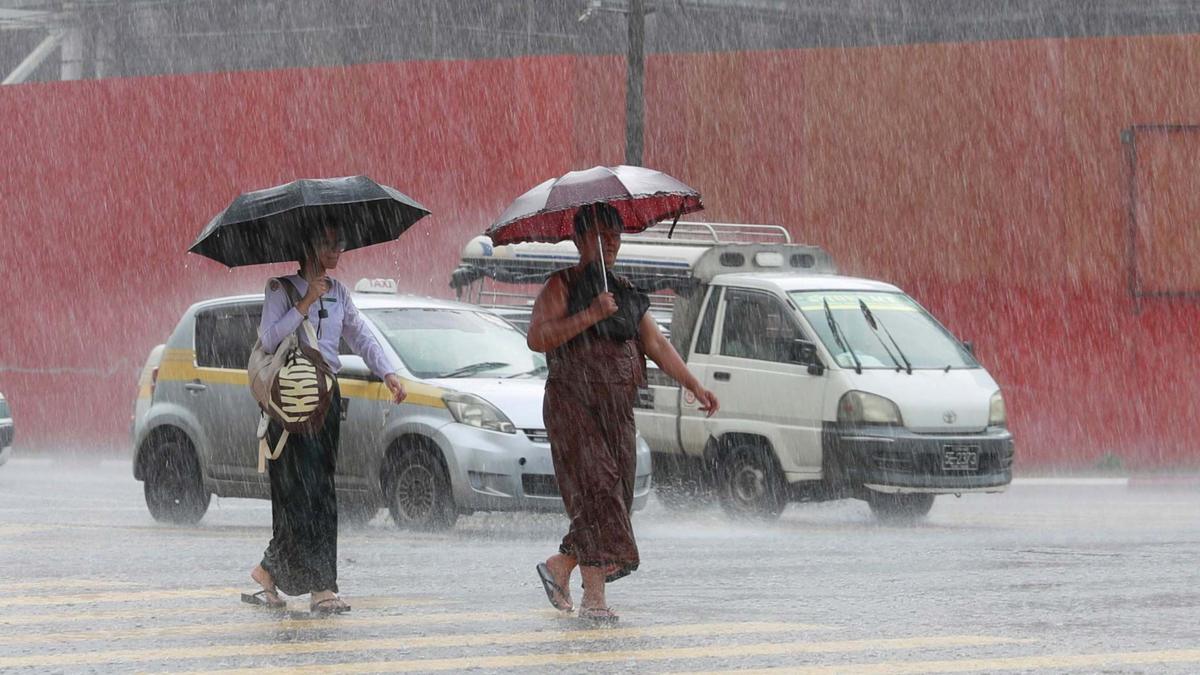
- The pattern typically delivers drought and heat to Australia, southern and central Africa, India, and the Amazon, while bringing heavy precipitation to the southern US, parts of the Middle East, and south-central Asia.
- Celeste Saulo, the World Meteorological Organization's secretary general, said the 2023-24 El Niño — one of the five strongest on record — played a role in the record global temperatures observed in 2024.
- Dr. Joel Lisonbee of the University of Colorado Boulder warned that even a strong El Niño won't erase drought in the US southwest, where some reservoirs are at all-time lows — calling it "exceptionally wet"-or-bust.
- Dr. Paul Roundy of the State University of New York at Albany wrote in April that there was "real potential for the strongest El Niño event in 140 years," while Dr. Andy Hazelton said all models and observations point to a very strong event.
Why it matters: Per WMO, the 2023-24 El Niño helped drive record 2024 global temperatures. This event is forecast to deepen drought across India, southern Africa, and the Amazon while bringing heavy precipitation to the US south and west coast — yet Dr. Joel Lisonbee warned one wet season won't refill US southwest reservoirs now at all-time lows, a critical caveat for water-stressed states hoping for relief.
Ask SkimNews