Rate path still divides investors: Five things to know in Bitcoin this week — SkimNews
Get the Finance newsletter
Daily finance — markets, central banks, M&A, the prints that move money. Free.
- Fed's FOMC meeting on Wednesday, July 29: CME's FedWatch Tool prices a 31% chance of a July hike and 50% odds for September, with the 2-year Treasury yield climbing to 4.3% as Chair Kevin Warsh has so far avoided dovish language.
- Oil prices dropped 8% in early Monday trade after the US and Iran paused strikes, pulling July rate-hike odds from 37.4% to 33.7% and briefly sending WTI crude as low as $83 after eyeing $95.
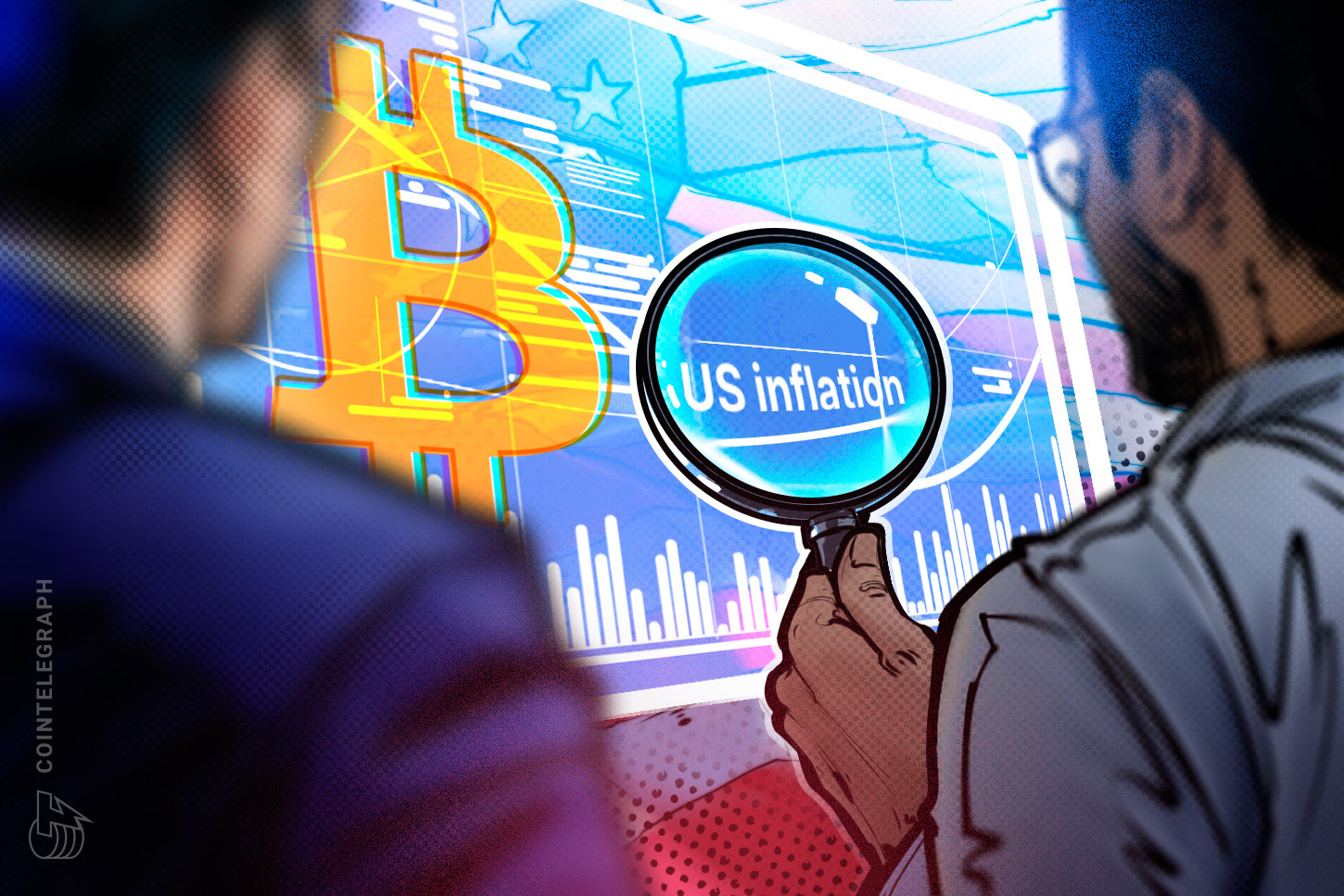
- June PCE inflation prints Thursday; the International Monetary Economics Network forecasts 3.7% year-over-year, down from May's three-year high of 4.1%, noting that the prior PCE release coincided with Bitcoin dropping to macro lows near $58,000.
- Bitcoin reached $65,680 on Bitstamp after Sunday's weekly close, trading in a compressed range that analyst Rekt Capital says is 'sandwiched' between the 200-week SMA and the 50-month EMA he now views as resistance.
- BTC-equity correlation is effectively absent — the daily BTC/S&P 500 rolling correlation is at its lowest since March, and BTC/Nasdaq sits at 0.11 — leaving both asset classes exposed to sudden re-coupling on a hawkish macro shock.
- Binance whale inflows fell 44% since June 12 while retail inflows dropped 22%, opening a $3.9 billion gap that CryptoQuant's Amr Taha flagged as a key FOMC test for whether the two cohorts converge or diverge further.
- S&P 500 has already lost its 50-day moving average, and Mosaic Asset Company warns a break of triangle trendline support could send the index toward its 200-day MA near 7,000, roughly 5% below current levels.
Why it matters: The FOMC's post-meeting language, not just the rate decision itself, will reset the path into September — where the market is already pricing a 50/50 chance of another hike. With Bitcoin trapped between the 200-week SMA and 50-month EMA, Rekt Capital calls that compression 'unsustainable,' meaning a hotter PCE print Thursday or a hawkish Warsh could force a decisive break in either direction before the month closes.
Ask SkimNews