Hidden Drivers Behind Persistent RA Pain Identified — SkimNews

Get the Health newsletter
Daily health & science — research, biotech, public health, the studies worth knowing. Free.
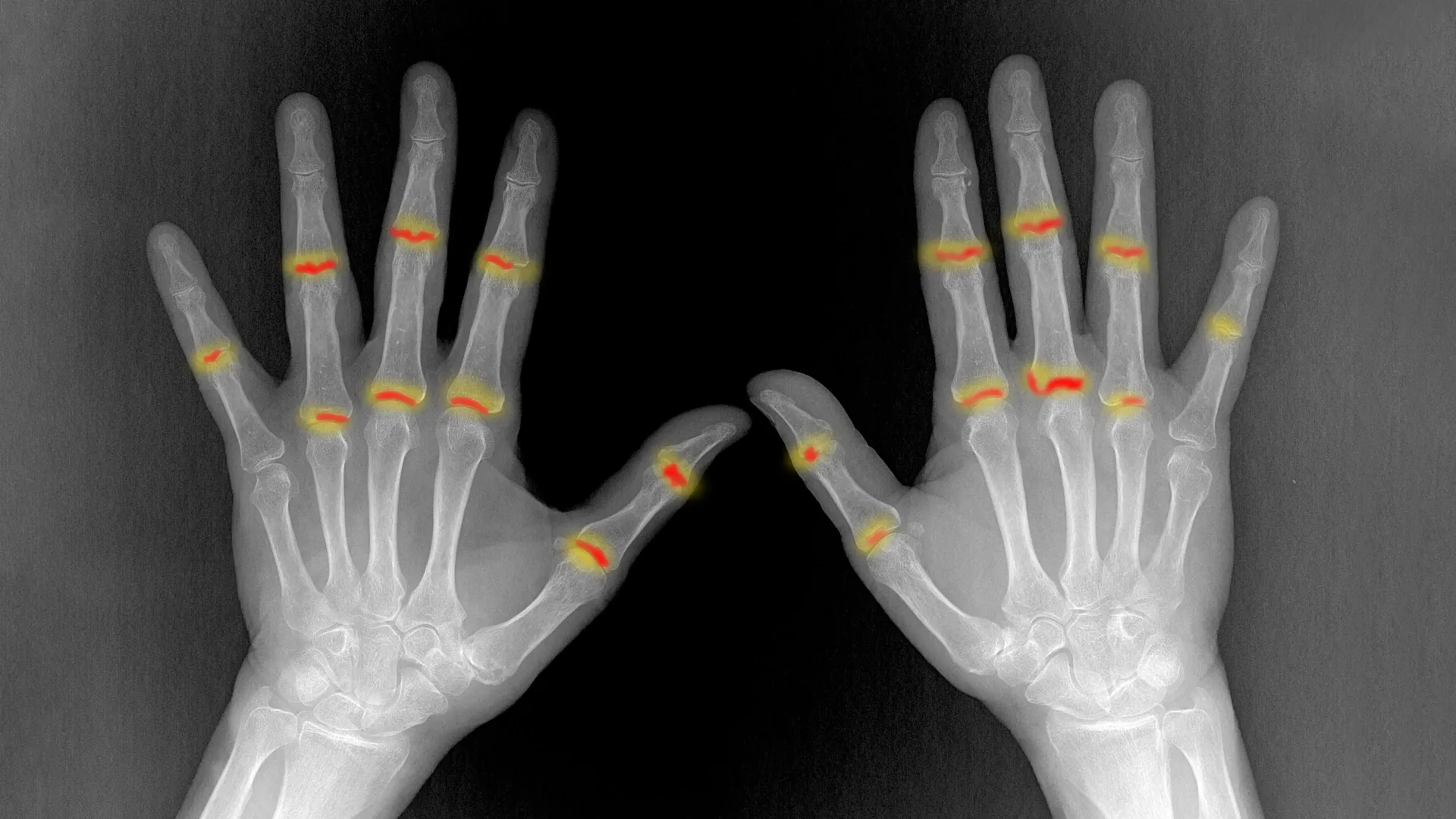
- Semmelweis University researchers identified depression, sleep disorders, obesity, smoking, and chronic pain as factors that sustain rheumatoid arthritis symptoms even when inflammation markers improve, per publications in Nature Reviews Rheumatology and The Lancet Rheumatology.
- Rheumatoid arthritis affects tens of thousands in Hungary alone, with 6-28% of patients falling into a "difficult-to-treat" group that fails to achieve lasting remission despite therapy.
- Dr. György Nagy, head of Rheumatology and Immunology at Semmelweis, said that when target values look good but patients still suffer, doctors should investigate chronic pain syndrome, depression, sleep disorders, or obesity instead of automatically escalating medication.
- The team integrated their approach into the "treat-to-target" framework, arguing it functions as an "early warning system" — improved inflammation scores combined with persistent symptoms signal non-inflammatory drivers requiring different intervention.
- Publications introducing the "difficult-to-treat" disease concept have been cited more than 1,000 times and the definition is now applied to diseases beyond rheumatoid arthritis worldwide.
- Dr. Lilla Gunkl-Tóth, first author and PhD student at Semmelweis, said the team plans to use AI-based pattern recognition to identify patient subgroups and build more personalized treatment strategies.
Why it matters: For the 6-28% of rheumatoid arthritis patients stuck in the "difficult-to-treat" group, the current treat-to-target approach can prompt unnecessary drug switches when the real driver is depression, sleep, or obesity — meaning months of ineffective medication escalation before the actual cause is addressed.
Ask SkimNews