RA pain can persist despite controlled inflammation — SkimNews

Get the Sports newsletter
Daily sports — scores, transfers, the storylines from the leagues you actually follow. Free.
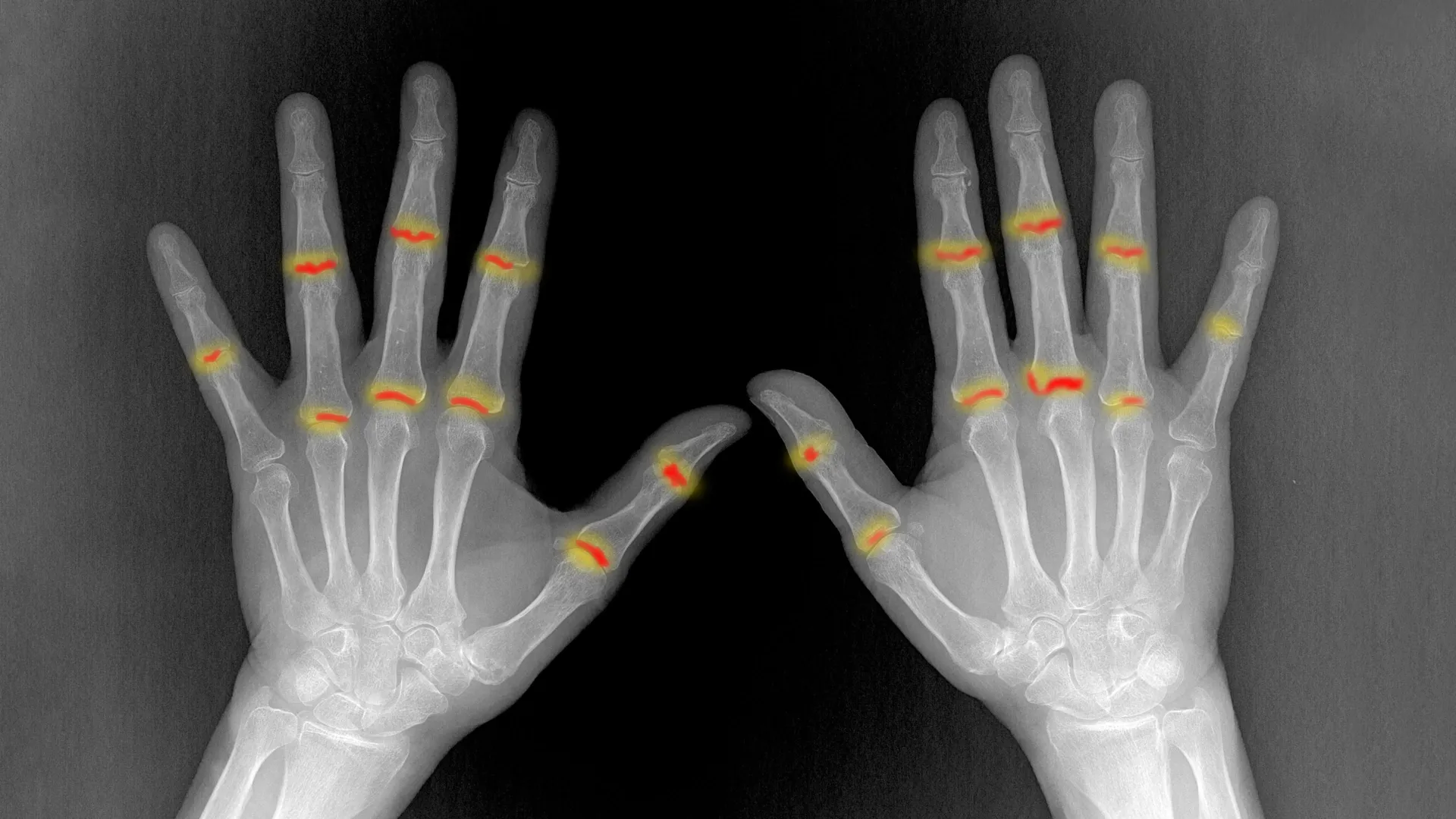
- Semmelweis University researchers published findings in Nature Reviews Rheumatology and The Lancet Rheumatology in 2026 showing that sleep disorders, depression, obesity, smoking, and other comorbidities may sustain rheumatoid arthritis symptoms independently of inflammation.
- Six to 28 percent of rheumatoid arthritis patients fall into the "difficult-to-treat" category, failing to achieve lasting remission despite therapy, according to the two journal studies.
- The team developed a model that uses the standard "treat-to-target" approach as an "early warning system": when measurable inflammation improves but symptoms persist, clinicians should investigate non-inflammatory drivers instead of automatically escalating medication.
- Dr. György Nagy, head of rheumatology and immunology at Semmelweis, said doctors should pause to ask what is maintaining symptoms — whether chronic pain syndrome, depression, sleep disorders, or obesity — rather than defaulting to higher drug doses.
- The "difficult-to-treat" framework introduced by the group has been cited more than 1,000 times by other researchers and is now applied beyond rheumatoid arthritis to discussions of other diseases worldwide.
- First author Dr. Lilla Gunkl-Tóth said the team will next use AI-based pattern recognition to identify patient subgroups and build more effective, personalized treatment strategies.
Why it matters: For the 6–28% of RA patients stuck in the difficult-to-treat bucket, this framework could redirect them away from escalating immunosuppressants and toward treating overlooked comorbidities — a path the researchers say has already improved outcomes and doctor-patient trust in their clinic. The planned AI subgroup work points to where chronic autoimmune care is heading: pattern recognition replacing trial-and-error dosing.
Ask SkimNews