A super el Niño threatens our food system. Here’s how farms can prepare | Liz Carlisle — SkimNews

Get the Energy newsletter
Daily energy & climate — solar, EVs, oil, the policy fights and tech bets shaping the transition. Free.
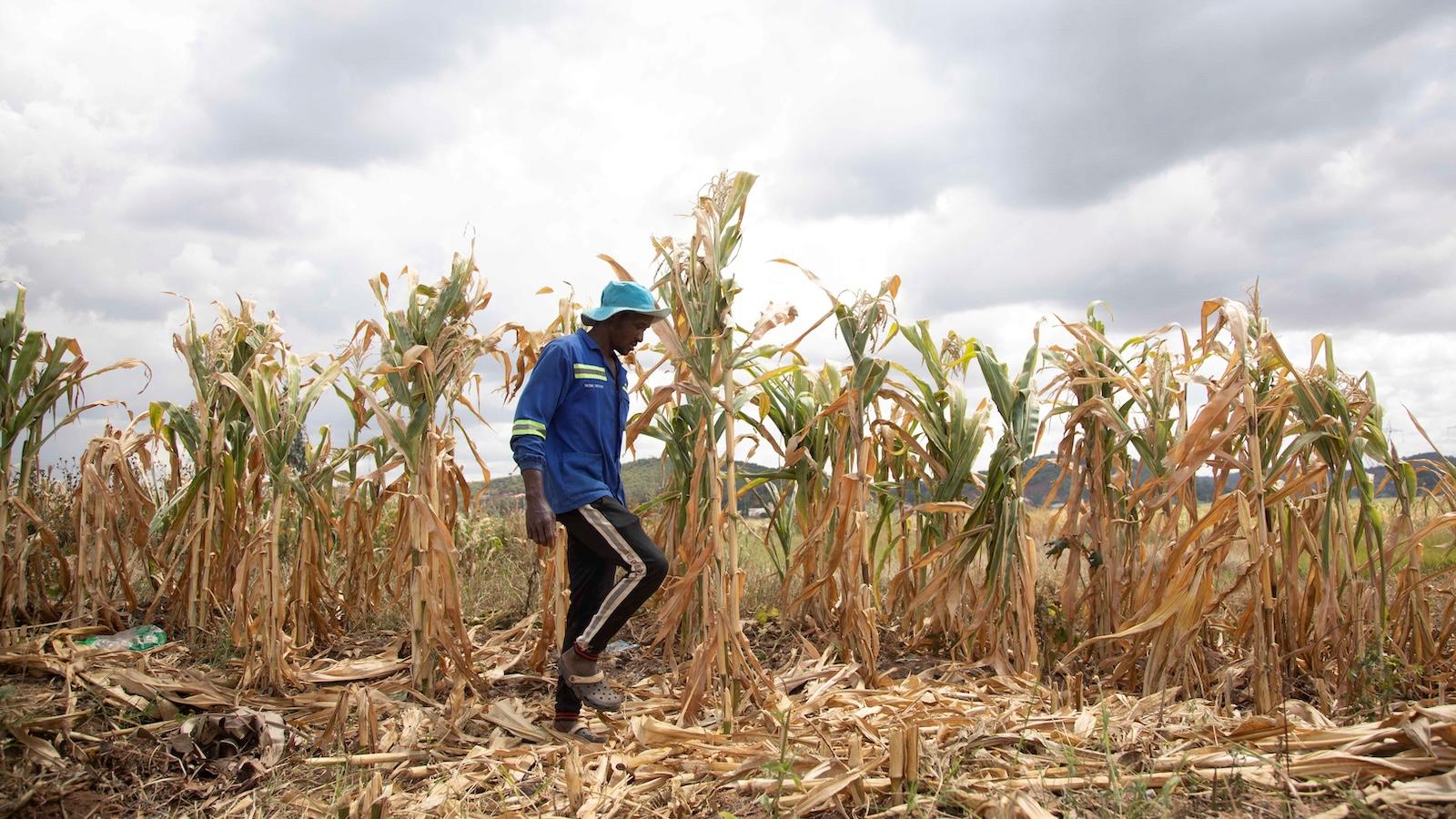
- Forecasters warn the 2023 El Niño could become the strongest on record, threatening agriculture across Central and South America, the Caribbean, southern Africa, and parts of the southern United States with severe weather this winter.
- Research by Andrea Basche and Marcia DeLonge found that cover crops or perennials increase space between soil particles by 8% and make 16% more water available to plants during drought, with cover crops boosting rainstorm infiltration by 35% and perennials by 59%.
- Resilient farms achieve 80% of average yields in years with just 40% of average moisture by keeping roots in the ground year-round through offseason cover crops or perennial plantings that build soil organic matter.
- Iowa State University researchers found that planting native prairie strips between rows of corn and soy reduces sediment loss by 95%, and modeling shows converting one-third of Iowa's cropland to perennials or cover crops would cut water runoff and flood frequency by one-fifth in particularly wet years.
- The US crop insurance system heavily subsidizes coverage for corn, soybeans, wheat, and cotton, while farmers growing perennial crops like elderberries and hazelnuts are left dependent on a Whole Farm Revenue Protection program that the industry calls 'woefully inadequate.'
- Congress is negotiating the farm bill this fall — a once-in-a-decade vehicle that funds the Conservation Stewardship Program and Environmental Quality Incentives Program, but Senate Republicans have insisted on cutting funding for both and have not entertained deeper crop insurance reform.
Why it matters: The farm bill's crop insurance structure actively steers farmers away from the soil-building practices that Basche and DeLonge's data shows would absorb this winter's predicted extreme rainfall. Without reform, the perennials and cover crops that could cut downstream flooding by one-fifth in wet years remain economically out of reach for most farmers facing short-term income risk.
Ask SkimNews